


Keeping your house cool in summer does not have to mean closing every curtain, overworking the air conditioner, or giving up the beautiful look of your home. A well-designed summer home should feel calm, comfortable, and fresh, even when the heat outside is at its strongest.
The secret is not one dramatic upgrade. It is a thoughtful mix of design choices: elegant window treatments, better airflow, smarter cooling, outdoor shade, and lighter seasonal textures. Together, these details can help reduce heat, soften sunlight, and make your home feel easier to enjoy all summer long.
For homeowners who care about both comfort and design, the goal is simple: keep the house cool without making it feel dark, sterile, or overly controlled. Here are five refined ways to keep your home cool in summer while preserving the style and comfort that make it feel like yours.
Choose Elegant Window Treatments That Block Heat Beautifully
Windows bring in natural light, but they can also bring in a surprising amount of heat. During summer, especially in rooms with strong afternoon exposure, the right window treatments can make a noticeable difference in how comfortable the home feels.
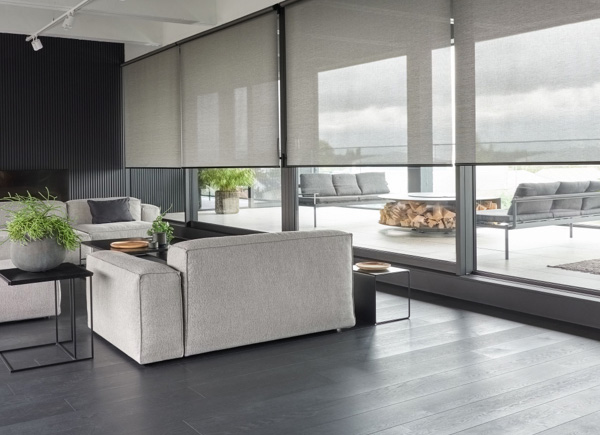
Instead of relying on dark-colored blinds, which can absorb heat and make a room feel visually heavy, choose treatments that reduce heat gain while still looking intentional. Light-colored shades, solar shades, insulated curtains, and lined drapery are stronger options for maintaining a cooler indoor environment. They help soften sunlight, reduce glare, and protect furniture and flooring from harsh exposure.
For a refined look, consider woven wood shades layered with linen drapes, tailored Roman shades in a pale neutral, or solar shades in rooms where you want to preserve the view. FINE has also covered what to consider when selecting window treatments for your space, including style, light control, privacy, and energy efficiency.
For a polished product direction, The Shade Store’s solar shades are a good example of a window treatment that can reduce glare and help manage sunlight while still looking clean and tailored. They work especially well in rooms where you want a softer, more filtered summer light rather than a fully darkened space.
Pay special attention to west-facing windows, which often take the strongest afternoon heat. Closing shades before the room warms up is much more effective than trying to cool it down afterward. Done well, window treatments become both a design feature and a quiet summer comfort strategy.
Use Fans and Airflow Without Disrupting the Room

Air movement can make a room feel cooler without dramatically lowering the temperature. The key is to use fans thoughtfully, so they support the room instead of distracting from it.
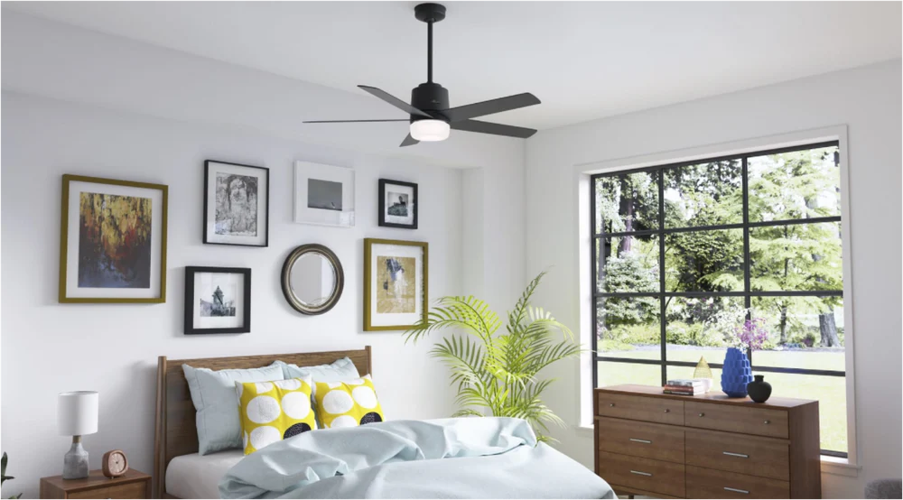
A ceiling fan with clean lines can work beautifully in bedrooms, living rooms, and covered patios. Choose a design that complements the architecture of the space rather than one that feels like an afterthought. In a coastal or relaxed home, a natural wood fan can feel warm and easy. In a modern interior, a matte white or streamlined black fan may disappear more gracefully into the room.
If you want one design-forward product example, the Hunter Dempsey ceiling fan is a clean, understated option that works well for many contemporary spaces. It adds function without demanding too much visual attention, which is exactly what a summer cooling feature should do.
Portable fans can also be useful, but they should be chosen with the same care as any other visible object. A sculptural table fan, slim tower fan, or well-designed air circulator can keep air moving without making the room feel cluttered.
At night, when temperatures begin to drop, use cross-ventilation to your advantage. Open windows on opposite sides of the home to encourage fresh air to move through. If the house has upper-level or attic windows, opening them briefly can help release trapped warm air. In the morning, close windows and shades before the heat builds again.
The rhythm is simple: invite cool air in when nature offers it, then protect that coolness once the day begins.
Make Air Conditioning Smarter, Quieter, and More Efficient

Air conditioning can be essential during summer, but it should not make the home feel like a freezer or turn comfort into a constant battle with the thermostat. A more refined approach is about balance, efficiency, and quiet performance.
Start with seasonal AC maintenance. Before the hottest part of the year, have the system serviced, replace filters, check vents, and make sure the unit is running efficiently. A system that works smoothly can cool the home more evenly and may use less energy than one that is struggling.
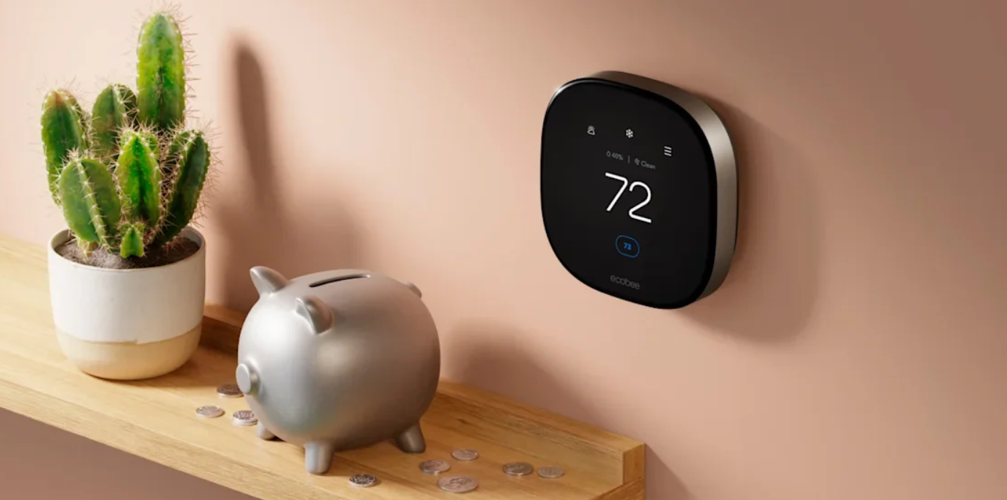
Smart thermostats are another worthwhile upgrade. They allow you to adjust temperatures by schedule, reduce cooling when no one is home, and keep the house comfortable before you return. Instead of forcing the air conditioner to run at full power all day, you can create a more responsive cooling routine.
A smart thermostat, such as the ecobee Smart Thermostat Premium, can support more intentional temperature control without turning the home into a gadget showroom.
Airflow matters too. Make sure furniture is not blocking vents, keep interior doors open when needed, and use fans to help circulate cooled air. In larger homes, zoning can be especially helpful, allowing the rooms used most often to stay comfortable without overcooling spaces that are empty.
The goal is not to make the house icy. It is to make it feel consistently pleasant, quiet, and easy to live in.
Create Outdoor Shade With Greenery, Awnings, or Pergolas
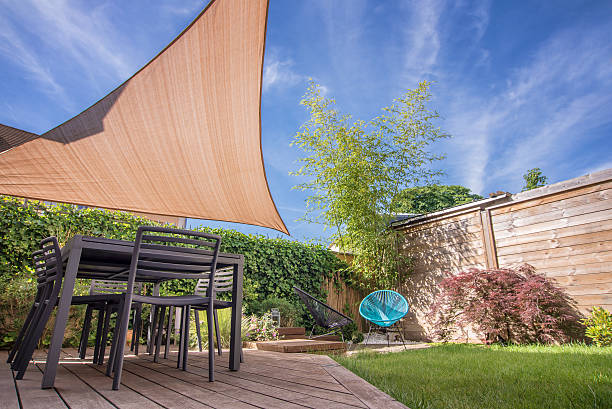
A cooler home starts outside. When patios, windows, and exterior walls absorb hours of direct sun, that heat eventually affects the interior. Creating shade around the home can soften both the look and the temperature of your living spaces.
This is where greenery becomes more than decoration. Indoor plants can make a room feel fresher, but they are not a major cooling strategy on their own. For a more meaningful effect, look outdoors. Potted trees near a sunny window, climbing vines over a pergola, tall planters along a patio, or layered landscaping near exterior walls can help create shade and reduce the harshness of summer light.
A pergola can make an outdoor dining area feel more inviting while shielding the home from direct sun. Retractable awnings are another elegant option, especially for patios, balconies, and windows that receive intense afternoon exposure. Even umbrellas and shade sails, when chosen carefully, can add both comfort and style.
For more inspiration on outdoor comfort, FINE’s guide to designing outdoor spaces that work in every season offers helpful ideas for making patios and gardens feel more usable beyond just one part of the year.
The best outdoor shade feels integrated into the design of the home. It does not simply block the sun. It creates a softer transition between indoors and outdoors, making patios more usable and interiors more protected.
Switch to Summer Fabrics, Lighter Meals, and Cooler Evening Routines

Once the larger cooling elements are in place, small seasonal changes can make the home feel more comfortable day to day.
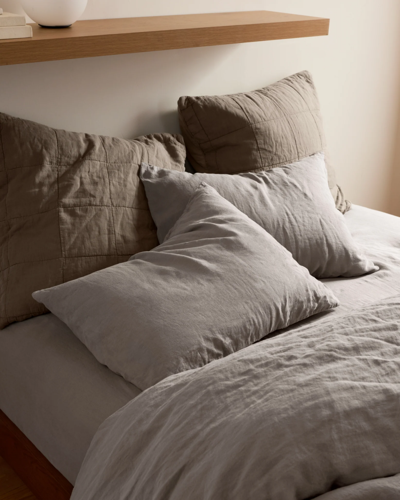
Start with fabrics. Heavy throws, thick bedding, dark rugs, and dense upholstery can make rooms feel warmer than they need to be. In summer, switch to linen bedding, cotton coverlets, lighter curtains, and breathable slipcovers where possible. A bedroom dressed in crisp sheets and soft natural textures will instantly feel more restful during hot weather.
Parachute linen bedding fits this elevated summer-home approach nicely because linen has that relaxed, breathable look that makes a bedroom feel lighter before you even touch the thermostat.
In living spaces, remove unnecessary layers. Swap heavy blankets for a light throw, choose pale cushions, and let the room breathe. Summer styling should feel open, relaxed, and easy.
Daily routines matter too. Chilled water with citrus or herbs, lighter meals, fresh fruit, and simple evening dinners can help the whole household feel more comfortable. This does not need to become a wellness lecture. It is simply part of the way a summer home works. Cooler food, breathable fabrics, and slower evening rituals all contribute to a more pleasant season indoors.
Even lighting can change the mood. Softer lamps, fewer overhead lights, and candles or lanterns on the patio can make summer evenings feel calmer once the heat of the day begins to fade.
A Cooler Home Should Still Feel Like Home
Keeping your house cool in summer is not about shutting out the season. It is about creating a home that feels comfortable, calm, and easy to enjoy even when the heat outside is at its strongest.
The right window treatments can soften the afternoon sun. Better airflow can make rooms feel fresher. A well-maintained cooling system can keep the temperature steady without making the house feel overly cold. Outdoor shade can protect patios and windows, while lighter fabrics and slower evening routines can make the whole home feel more relaxed.
Together, these small choices help create a summer home that feels both beautiful and livable. You still get the natural light, the fresh air, the outdoor moments, and the easy feeling of the season, but with more comfort built into each room.
That is the real goal: a home that stays cool enough to enjoy, stylish enough to love, and welcoming enough to feel like the best place to return to at the end of a long summer day.


(0) comments
We welcome your comments
Log In
Post a comment as Guest
Keep it Clean. Please avoid obscene, vulgar, lewd, racist or sexually-oriented language.
PLEASE TURN OFF YOUR CAPS LOCK.
Don't Threaten. Threats of harming another person will not be tolerated.
Be Truthful. Don't knowingly lie about anyone or anything.
Be Nice. No racism, sexism or any sort of -ism that is degrading to another person.
Be Proactive. Use the 'Report' link on each comment to let us know of abusive posts.
Share with Us. We'd love to hear eyewitness accounts, the history behind an article.