
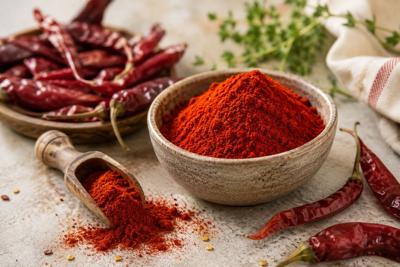
Of all the spices in the cabinet, cayenne pepper may be the one that teaches the most restraint. A tiny pinch can wake up a sleepy soup, brighten a marinade, rescue a bland sauce, or turn roasted vegetables into something with actual personality. Use too much, of course, and suddenly dinner becomes a small household emergency.
Cayenne pepper is made from dried, ground chili peppers. It is known for its vivid red color, sharp aroma, and clean, direct heat. It appears often in Mexican, Caribbean, Central American, South American, Cajun, Creole, Southern, and Asian cooking, where it brings warmth without needing much room in the recipe.
While there are many substitutes for cayenne pepper, the flavor is not always easy to duplicate. Paprika can bring color, red pepper flakes can bring texture, and chili powder can bring complexity, but cayenne has its own lean, fiery personality.
For home cooks, cayenne is one of those small pantry staples that can make everyday food feel more layered, confident, and alive. It is not a miracle ingredient, and it should not be treated like medicine. Still, cayenne pepper does contain capsaicin, the natural compound behind its heat, and that compound has been studied for several potential wellness-related benefits.
Why Cayenne Pepper Deserves a Place in the Kitchen
Cayenne pepper works because it does not need to be the star of the dish. A small amount can bring balance to rich foods, add contrast to creamy sauces, and make simple ingredients taste more finished. It is especially useful when a dish tastes flat but does not necessarily need more salt, sugar, or fat.
Cleveland Clinic notes that cayenne peppers contain nutrients such as vitamins A, C, B6, and K, and that many of cayenne’s potential benefits come from capsaicin. The same source also makes an important point for everyday cooking: cayenne can be part of a healthy diet, but it works best as one flavorful piece of a broader eating pattern, not as a cure-all. Cleveland Clinic
1. Cayenne Adds Heat Without Needing Much Salt
One of cayenne pepper’s best culinary benefits is that it adds impact without requiring much of anything else. When food tastes dull, many people reach for salt first. Cayenne offers another option. It can make soups, eggs, beans, roasted chicken, seafood, vegetables, dips, and sauces taste more vibrant with just a small pinch.
That does not mean cayenne replaces salt in every recipe. It simply gives a dish another layer of flavor. For anyone trying to build a more interesting pantry, cayenne is one of the easiest upgrades because it is inexpensive, versatile, and long-lasting.
2. It Contains Capsaicin, the Compound Behind the Heat
Cayenne’s signature burn comes from capsaicin, a natural compound found in chili peppers. Capsaicin interacts with heat and pain receptors, which is why spicy food can feel physically warm even when it is not hot in temperature.
Medical News Today explains that capsaicin is used in some topical preparations for aches and pains, but it also makes an important distinction: research involving capsaicin creams, supplements, or nasal preparations is not the same as simply sprinkling cayenne pepper onto dinner. Medical News Today
That distinction matters. Cayenne can be a smart, flavorful part of cooking, but it should not be presented as a treatment for pain, high blood pressure, cholesterol, weight loss, or any medical condition.
3. Cayenne May Temporarily Wake Up the Nose
Anyone who has eaten a spicy bowl of soup knows cayenne can make the nose run. That temporary effect is part of why spicy foods are often associated with feeling clearer when someone is stuffy. The warmth, steam, and spice can make a meal feel especially comforting.
However, this should be worded carefully. Medical News Today notes that some capsaicin research has looked at nasal symptoms, but it also states that there is a lack of scientific evidence showing that cayenne home remedies are effective. In other words, spicy food may feel helpful in the moment, but it is not a medical fix for a cold, sinus infection, allergies, or chronic congestion.
4. It Brings Antioxidant Plant Compounds
Cayenne pepper’s bold red color comes from naturally occurring plant compounds. Like many colorful plant foods and spices, cayenne contains antioxidants and carotenoids, which are part of what gives it both color and nutritional interest.
Cleveland Clinic describes cayenne peppers as sources of antioxidants and other plant compounds that help protect cells. That makes cayenne a worthwhile addition to a colorful, varied diet, especially when used alongside vegetables, herbs, legumes, lean proteins, whole grains, and other nutrient-rich foods.
5. It Can Make Healthy Food More Satisfying
There is a practical reason spices matter: they make food more enjoyable. A pinch of cayenne can make a tray of roasted vegetables, a pot of black beans, a simple egg dish, or a bowl of soup taste more complete. When healthy food tastes good, people are more likely to eat it again.
Cleveland Clinic notes that spicy foods may slightly affect metabolism and appetite, but also warns that the effect is not enough to overcome an unhealthy diet. That is the right way to frame cayenne. It is not a shortcut to weight loss, but it can make simple, nourishing food feel less like a chore and more like something worth craving.
What Research Says About Cayenne and Heart Health
Some research has explored capsaicin and cardiovascular health. A study available through the National Library of Medicine found that capsaicin supplementation improved certain coronary heart disease risk factors in individuals with low HDL-C. National Library of Medicine
For a lifestyle article, the safest wording is that capsaicin has been studied for possible heart-health-related effects. Do not say cayenne treats heart disease, prevents heart attacks, cures hypertension, or regulates cholesterol. Those claims are too strong for a culinary wellness article and could make the page look medically unreliable.
How to Cook With Cayenne Pepper
The best way to use cayenne is slowly. Start with a pinch, stir well, taste, and then decide whether the dish needs more. Cayenne works beautifully in chili, barbecue rubs, marinades, tomato sauces, gumbo, soups, stews, scrambled eggs, deviled eggs, roasted sweet potatoes, creamy dips, and even hot chocolate.
It also pairs well with ingredients that can balance its heat. Try it with citrus, honey, maple syrup, coconut milk, yogurt, avocado, butter, olive oil, roasted garlic, tomatoes, or chocolate. The goal is warmth and depth, not a dare.
What to Do If You Add Too Much
If a dish becomes too spicy, water will not help much. Capsaicin does not dissolve well in water, which is why drinking water after an overly fiery bite often makes the situation feel worse.
Instead, soften the heat with dairy, fat, starch, acid, or sweetness, depending on the recipe. Yogurt, sour cream, coconut milk, avocado, olive oil, rice, bread, potatoes, lime juice, vinegar, honey, or a little sugar can help calm the fire. Not all at once, obviously, unless the goal is chaos in a bowl.
Who Should Be Careful With Cayenne
Cayenne pepper is safe for many people when used in normal food amounts, but it does not agree with everyone. Medical News Today notes that capsaicin can irritate the digestive system and that spicy foods may be unsuitable for some people with GERD or IBS.
Anyone who notices heartburn, stomach pain, digestive upset, or irritation after eating spicy food should use less or avoid it. Anyone considering capsaicin supplements, creams, or medicinal use should speak with a healthcare professional first.
The Bottom Line on Cayenne Pepper
Cayenne pepper is not a cure-all, but it is one of the most useful spices in a well-stocked kitchen. It brings heat, color, depth, and a little drama in the best possible way. Used carefully, it can make simple dishes taste more polished and memorable.
The key is restraint. Add a little, taste as you go, and let the spice do what it does best: wake up the food without setting the whole dinner party on fire.
For more food and wellness inspiration, explore FINE Magazine’s lifestyle coverage, including our guide to vitamin E and its food sources.


(0) comments
We welcome your comments
Log In
Post a comment as Guest
Keep it Clean. Please avoid obscene, vulgar, lewd, racist or sexually-oriented language.
PLEASE TURN OFF YOUR CAPS LOCK.
Don't Threaten. Threats of harming another person will not be tolerated.
Be Truthful. Don't knowingly lie about anyone or anything.
Be Nice. No racism, sexism or any sort of -ism that is degrading to another person.
Be Proactive. Use the 'Report' link on each comment to let us know of abusive posts.
Share with Us. We'd love to hear eyewitness accounts, the history behind an article.