
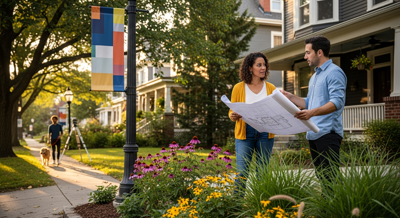

Curb appeal starts well before someone reaches your front walk. It extends into the medians, streetscapes, and shared spaces throughout the neighborhood, shaping how you feel about your property the moment you pull into the driveway after a long day.
Visual consistency along a street has always mattered, but it matters more now than it used to. The Austin-Round Rock-San Marcos metro area added over 58,000 residents between 2023 and 2024, which means first impressions carry real weight for local communities trying to stand out. As more people move to the region, maintaining a distinct neighborhood identity helps prevent subdivisions from blurring into one generic strip of beige siding and over-mulched beds. The recently approved Pflugerville beautification plan provides homeowners with a timely local example of how public design intersects with private property values and daily life.
The Pflugerville City Council unanimously approved a strategy for the Historic Colored Addition to preserve the area's history through intentional design. This guide outlines the plan's three phases (site analysis, oral histories, and public art) and explains what you should practically expect as a homeowner or prospective buyer. With Pflugerville's population up 5.01% since the 2020 census, understanding these civic improvements helps you anticipate changes to your daily routine. Rather than guessing how the upgrades might affect property values, you can zero in on the tangible ways they'll shape neighborhood character. You'll also get a clear picture of how changes to public art, lighting, and landscape influence the everyday experience of living on these historic blocks.
What Pflugerville Approved for the Historic Colored Addition
The plan's three phases are about history first, design second
The city didn't start this project by simply dropping statues on street corners or rushing into random landscape updates. Instead, the three phases of the plan begin with a thorough site analysis to examine the physical setting and natural opportunities. Following that groundwork, city organizers will collect oral histories directly from long-time neighborhood residents to capture their stories. Sounds like a slow approach? It's deliberate.
Gathering that lived experience makes sure the eventual public art installations reflect the area's actual history rather than relying on generic suburban design templates you could find in any new development from here to Frisco. This sequence matters because it grounds the physical design in neighborhood memory, producing a more authentic form of preservation.
What residents may actually see on the ground
The visible changes rolling through the neighborhood will focus heavily on public art, light-pole banners, and coordinated landscaping elements. Recent city council discussions indicated these light-pole banners will establish a specific, recognizable identity for the area; think of them as visual bookmarks that tell you exactly which neighborhood you're in. You may also notice structural improvements framed explicitly in terms of historical preservation rather than routine roadway construction.
Prior to the formal vote, community members marched in support of these structural and landscaping updates, emphasizing their importance for the Historic Colored Addition. These visual markers will alter walking routes, sightlines, and the overall rhythm of the street, making the public right-of-way feel far more intentional than it does today.
Who is overseeing and funding the work
To maintain authenticity, the city's Equity Advisory Board will oversee the plan and monitor the installations' historical accuracy. That dedicated oversight helps keep the community's historic memory at the forefront of the design process, not buried under a contractor's convenience. Taxpayers often worry about the financial burden of neighborhood beautification projects (and who can blame them?), but this initiative uses existing hospitality revenue.
The funding for physical improvements comes from the city's hotel-occupancy tax public art program rather than from direct increases in residential property taxes. So residents receive the aesthetic and cultural benefits without shouldering direct construction costs, which is great news if you've been watching your tax bill creep upward for other reasons.
How Public Art and Streetscape Updates Can Change Curb Appeal
Curb appeal is more than your own front yard
A home's exterior appeal relies partly on private maintenance and partly on the shared public context surrounding the property. Understanding what goes into replacing your roof certainly matters, but new shingles always look better when the adjacent streetscape feels polished. Medians, matching light-pole banners, and visually consistent sidewalks work together to create a unified and welcoming neighborhood identity. Picture the difference between walking down a block with coordinated signage and landscaping versus one where every lot feels like a separate island; that consistency is what buyers notice.
According to city planning coverage, banners will help establish this visual identity, acting as a thread that ties individual properties into a cohesive block. With the U.S. moving services industry growing consistently by 3% yearly, buyers evaluating a neighborhood look closely at these shared municipal investments to gauge community health.
Why neighborhood identity often feels like upkeep, even when it's cultural
Buyers, guests, and residents frequently interpret visible civic care as a signal that a place is actively loved and noticed. Just as knowing exterior paint costs in 2026 helps you budget for private upkeep, public art can set a standard of care for the entire block. When a city invests in Pflugerville landscaping and public art, your everyday walking routes naturally feel cleaner and more deliberate.
The initial priority for these installations is on city-owned property, improving the neighborhood's public edges without requiring action from individual homeowners. Even when your own yard remains unchanged, the addition of colorful banners and thoughtfully placed sculptures can make the entire street feel upgraded. Ask anyone who's lived near a revitalized downtown corridor, and they'll tell you the same thing: the public improvements lifted the whole area, not just the parcels directly adjacent.
Where beautification helps most, and where expectations should stay realistic
Civic art can improve wayfinding, create memorable visual anchors, and bolster community pride for the people living in the area. The peaceful march by residents ahead of the council vote demonstrated exactly how much this cultural and aesthetic pride means to local families. But here's the catch: statues and banners don't automatically solve traffic congestion, poor drainage, or private property maintenance issues.
Since Pflugerville's annual growth rate holds steady at 0.66%, realistic homeowners know that beautification complements a growing region rather than solving infrastructure challenges on its own. Public art strengthens the sense of place, but it won't change the functional realities of every single block equally. Not the answer you were hoping for? That's fair, but setting honest expectations now saves frustration later.
Plan Element | What It Could Add to Curb Appeal | What Residents May Notice Day to Day | What to Watch For |
Public art installations | Character, identity, memorable visual anchors | More foot traffic or visitor interest near art sites | Installation timing, temporary barriers |
Light-pole banners | Visual unity and neighborhood branding | More polished streetscape feel on main routes | Placement, maintenance, visibility |
Landscaping improvements | Softer streetscape, cleaner edges, seasonal color | Better walking experience, more defined public spaces | Irrigation, maintenance cycles, temporary work zones |
Oral histories and identity work | Deeper authenticity behind design choices | Community events, signage, storytelling elements | Public engagement opportunities |
City/private partnerships if used | More art placement options | Potential installations on or near private parcels | Easements, approvals, notification details |
The Practical Questions Homeowners Are Likely to Ask
Will there be construction, parking changes, or blocked access?
You could run into temporary work zones, staged installation periods, and occasional parking restrictions near designated public art sites. Because the city prioritizes city-owned property, the most significant disruptions will likely stay confined to public rights-of-way rather than completely blocking private driveways. Temporary sidewalk or shoulder disruptions remain possible, depending on where the landscaping and structural improvements are located.
With 41.6% of movers nationwide relocating to secure better housing, new neighbors should anticipate some logistical friction if they're arriving during these upgrades. If you've ever tried to coordinate a moving truck with an active construction zone on your block, you know how quickly a minor detour turns into a major headache. Staying patient and making slight adjustments to your daily parking habits will help you navigate the short-term realities of these neighborhood projects.
Planning a Move During Neighborhood Improvements?
If you're relocating during a neighborhood project, access details can matter more than the overall mileage of your trip. In Pflugerville, a moving quote often changes based on loading distance, parking restrictions, stairs, or whether crews need to navigate around retail traffic near active road construction. Since housing upgrades motivate 41.6% of all residential moves, planning for these logistical hurdles keeps your transition smooth.
For residents comparing movers in Pflugerville, it helps to confirm routes near SH 130, FM 685, Stone Hill, Lake Pflugerville, Blackhawk, and Falcon Pointe before move day arrives. The most useful moving plans account for careful loading, furniture protection, and real access conditions (like temporary public art installations) rather than just how far the truck travels.
How long might improvements take?
Municipal beautification projects tend to move slowly, especially when they begin with community engagement rather than immediate construction. Since the three phases start with site analysis and oral histories, you should expect a gradual rollout rather than an overnight neighborhood transformation. Think of it as a slow cook, not a microwave job. A slower civic timeline gives you plenty of opportunity to adapt to temporary parking changes or shifting access points.
With the Austin metro area continuing its rapid growth, adding 58,000 people in a single year, city departments are juggling multiple projects at once, making phased schedules the norm. Preparing for a marathon rather than a sprint will keep your expectations aligned with the realities of municipal preservation efforts.
Will every property feel the impact equally?
Homes closest to visible installations, newly hung banners, or landscaped public areas will naturally notice the shift in curb appeal first. The unanimous council vote approved a broad vision, but the specific physical impacts depend on the final site selection for the art pieces. Other parts of the neighborhood will experience the Pflugerville beautification plan more through shared identity, local events, and upgraded signage.
Council discussion has suggested the city could eventually partner with private property owners, which might spread the visual updates to additional residential blocks. So even if a sculpture doesn't end up on your specific corner, the enhanced reputation of the district can still benefit everyone on the block. You've probably seen this play out in other communities where a well-placed mural two streets over somehow made the whole zip code feel more desirable.
A simple homeowner checklist before work begins
You can prepare for neighborhood streetscape changes by following a few practical steps before the heavy equipment shows up. Community involvement during planning shows that organized residents often adapt best to shifting access patterns and temporary closures. Setting up a clear communication plan helps make sure you're not caught off guard by a blocked road or a suddenly crowded parking shoulder.
Because the average local move in Austin runs between $700 and $1,400, protecting your property access can save you real money and frustration during contractor visits. Here's a quick checklist to keep your daily household logistics running smoothly throughout the installation phases:
- Check city meeting agendas and project update pages instead of relying on neighborhood hearsay or Nextdoor speculation.
- Photograph your curb, driveway, and frontage if you expect nearby work (timestamps help if you ever need to document pre-existing conditions).
- Ask early about temporary parking changes or access limitations.
- Plan deliveries, contractors, or service appointments around any posted work windows.
- If you're moving in or out, confirm access for loading and staging areas in advance.
- Watch for public-input opportunities tied to oral histories or art selection; this is your chance to shape what goes on your block.
What This Means for Daily Life in the Neighborhood
The upside: a stronger sense of place
Thoughtful beautification makes a neighborhood feel distinct, supporting local pride and creating natural conversation starters when visitors come by. The planned light-pole banners will serve as visible neighborhood branding features along main routes, signaling that the community values its heritage. When your everyday walks feel more intentional and visually welcoming, you naturally develop a stronger connection to your immediate surroundings.
The peaceful demonstration ahead of the vote showed that residents genuinely want a physical environment that honors their shared past. Living in a visually cohesive neighborhood elevates your daily routine beyond your property line, and that intangible lift is something you feel every morning when you step outside.
The tradeoff: temporary inconvenience is part of most public-facing improvements
A polished streetscape usually requires a brief period of detours, parked work vehicles, and moderate noise during active installation windows. The 5.01% population increase since 2020 already puts noticeable pressure on local roads, making any temporary lane closures highly visible to daily commuters. If you commute along Pecan Street or Dessau Road, you've probably already noticed how even a single lane closure ripples through the morning rush.
Temporary access adjustments are simply part of supporting the preservation efforts of the Historic Colored Addition in a growing Texas community. Because the hotel-occupancy tax funds the physical project, residents may experience the logistical friction without footing the direct bill through increased property taxes. Keeping a calm, practical outlook makes it easier to manage minor delays while looking forward to the finished results.
Why oral histories matter as much as the art itself
For a historically significant neighborhood, the story behind the work gives the visual improvements real cultural substance. The oral histories phase helps make sure the installations reflect the area's history rather than leaning on abstract, disconnected modern design. This context helps the city avoid generic beautification that could happen in any standard subdivision across the country.
According to city representatives, establishing a distinct identity is key to distinguishing a meaningful neighborhood from a standard residential tract. By starting with human voices rather than concrete pours, the city increases the odds that the final aesthetic will resonate with the people who actually live there. And yes, that slower pace can feel frustrating when you're eager to see results, but the payoff is a design that genuinely belongs to this community.
How to Follow the Plan Without Guesswork
Where to look for official updates
You should check the City of Pflugerville's official website and city council meeting agendas for the most accurate project timelines. Following public communications from the Equity Advisory Board can also give you a reliable look at how the site analysis and oral history phases are progressing. Local news outlets and community engagement pages also document the ongoing progress of planning milestones.
Tracking the hotel-occupancy tax public art program disbursements may give you a clue about when physical materials will be purchased. Relying on these official channels helps you avoid neighborhood hearsay or inaccurate social media rumors, which (let's be honest) tend to spread faster and be less accurate than the project itself.
What kinds of updates are most useful to track
Keep a close eye on installation schedules, official requests for community input, and any posted road or parking notices in your immediate vicinity. Since the city may partner with private property owners, you might even see opportunities to host art or signage near your own parcel. Banner designs and specific art approvals usually pass through public meetings long before they physically appear on your street corner.
With nearly 42% of Americans moving for better housing options, visible progress on these civic approvals can signal to prospective buyers that the neighborhood is actively improving. Knowing exactly what's coming allows you to confidently answer questions from guests, appraisers, or future buyers touring the area.
When to pay the closest attention
You'll want to stay alert when survey crews mobilize, official municipal signage appears, or meeting agendas mention procurement and vendor contracts. The planned landscaping and structural improvements will eventually require heavy equipment, which is your signal that the final phase is underway. Public engagement windows tied to the oral histories phase represent your best chance to influence the narrative and design direction.
Because the council's approval was unanimous, the project has strong political backing and will likely move from initial planning to public outreach on a steady timeline. Marking these milestones on your calendar helps ensure you don't miss a chance to help shape your street's future. Not sure which meetings to prioritize? Start with the ones that list vendor selections or art proposals on the agenda.
A Better-Looking Block Starts With Knowing What's Actually Planned
Civic beautification can improve curb appeal by shaping neighborhood identity, updating street design, and enhancing your everyday walking experience. The three phases of the city's plan suggest that the biggest visual changes may be subtle at first, beginning with conversations before moving to physical installations. Residents who monitor official updates and prepare for temporary changes to access will have the clearest picture of what to expect.
In a rapidly expanding Austin metro area that added 58,000 residents in a single year, establishing a distinct sense of place can help protect neighborhood value. The most meaningful improvement may turn out to be the authentic connection between local history and modern streetscape design; that's the kind of thing you can't replicate with a fresh coat of paint alone.


(0) comments
We welcome your comments
Log In
Post a comment as Guest
Keep it Clean. Please avoid obscene, vulgar, lewd, racist or sexually-oriented language.
PLEASE TURN OFF YOUR CAPS LOCK.
Don't Threaten. Threats of harming another person will not be tolerated.
Be Truthful. Don't knowingly lie about anyone or anything.
Be Nice. No racism, sexism or any sort of -ism that is degrading to another person.
Be Proactive. Use the 'Report' link on each comment to let us know of abusive posts.
Share with Us. We'd love to hear eyewitness accounts, the history behind an article.