
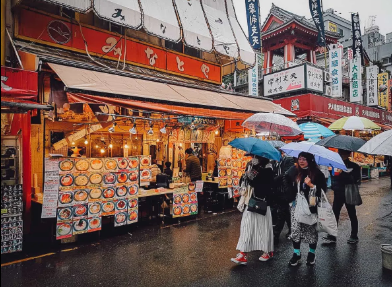
Wandering through Japan's vibrant streets offers one of the most authentic and delicious ways to experience the country's rich culinary culture. From the neon-lit alleys of Tokyo to the historic lanes of Kyoto, every corner presents an opportunity to discover flavors that have been perfected over generations. Street food in Japan isn't just about grabbing a quick bite; it's about connecting with centuries-old traditions and the passionate artisans who keep them alive.
The Art of Yatai Culture
Japan's yatai, or mobile food stalls, represent the heart and soul of street dining. These compact operations have been serving locals and travelers alike since the Edo period, transforming sidewalks and temple grounds into impromptu dining rooms. The intimacy of sitting shoulder-to-shoulder with strangers while watching skilled vendors prepare your meal creates a uniquely Japanese experience.
Fukuoka stands out as the yatai capital, with Nakasu Island hosting dozens of these atmospheric stalls each evening. Here, you can sample everything from savory ramen to grilled chicken skewers while engaging in conversation with both the chef and fellow diners. The experience embodies the Japanese concept of "ichigo ichie" – treasuring the unrepeatable nature of each moment.
Tokyo's Street Food Neighborhoods
Tokyo offers distinct street food experiences across its diverse neighborhoods. Tsukiji Outer Market remains a breakfast paradise where vendors serve fresh sushi, tamagoyaki (rolled omelet), and grilled seafood from the early morning hours. The energy is palpable as chefs shout greetings and locals queue for their favorite stalls.
Asakusa's Nakamise Shopping Street presents a more traditional atmosphere, where you can sample ningyo-yaki (small cakes filled with red bean paste) and freshly made senbei (rice crackers). The contrast between ancient Senso-ji Temple and the bustling food vendors creates a sensory journey through time. Meanwhile, Harajuku's Takeshita Street caters to those seeking Instagram-worthy treats like rainbow cotton candy and oversized crepes.
Regional Specialties Worth Seeking
Each Japanese region proudly showcases its own street food specialties, reflecting local ingredients and cultural influences. Osaka, known as "Japan's kitchen," is famous for takoyaki (octopus balls) and okonomiyaki (savory pancakes). Watching vendors flip these treats with practiced precision is entertainment in itself.
Hiroshima offers its own version of okonomiyaki, layered rather than mixed, creating a completely different texture and flavor profile. In Hokkaido, street vendors serve steaming bowls of soup curry and grilled seafood that showcase the island's pristine waters. These regional variations mean that exploring Japan street by street reveals an ever-changing culinary landscape.
Navigating Language and Etiquette
Don't let language barriers deter you from Japan's street food scene. Most vendors use picture menus or display realistic food models, making ordering straightforward even without Japanese language skills. Pointing and smiling goes a long way in these friendly environments.
Understanding basic etiquette enhances the experience for everyone. Eat purchased food near the stall rather than walking while eating, as this is considered impolite in many areas. Dispose of trash in designated bins, and don't hesitate to express your appreciation with a simple "oishii" (delicious) or "gochisosama deshita" (thank you for the meal). For those seeking a more curated experience, Japan luxury tours often include guided street food walks with expert translators who can explain the cultural significance behind each dish.
The Night Market Experience
Japan's night markets, or yomichi, transform ordinary streets into culinary wonderlands after dark. These seasonal events, particularly popular during summer festivals, feature dozens of stalls offering both traditional and innovative street foods. The atmosphere buzzes with excitement as lanterns illuminate the scene and festival music fills the air.
Seasonal matsuri (festivals) across the country provide the perfect excuse to sample street food specialties. From candy apples to yakitori, these events showcase the celebratory side of Japanese food culture. The combination of cultural performances, traditional games, and exceptional food creates memories that extend far beyond the meal itself.
Making the Most of Your Street Food Journey
The beauty of eating Japan street by street lies in the spontaneity and discovery. While planning helps identify must-visit areas, leave room for unexpected encounters with small stalls and hidden gems. Early mornings at fish markets and late evenings at yatai offer completely different but equally rewarding experiences.
Come hungry, stay curious, and remember that each street vendor represents years of dedication to their craft. Whether you're sampling a simple onigiri from a convenience store or savoring artisanal ramen from a legendary yatai, you're participating in a living culinary tradition that continues to evolve while honoring its past.
(0) comments
We welcome your comments
Log In
Post a comment as Guest
Keep it Clean. Please avoid obscene, vulgar, lewd, racist or sexually-oriented language.
PLEASE TURN OFF YOUR CAPS LOCK.
Don't Threaten. Threats of harming another person will not be tolerated.
Be Truthful. Don't knowingly lie about anyone or anything.
Be Nice. No racism, sexism or any sort of -ism that is degrading to another person.
Be Proactive. Use the 'Report' link on each comment to let us know of abusive posts.
Share with Us. We'd love to hear eyewitness accounts, the history behind an article.