
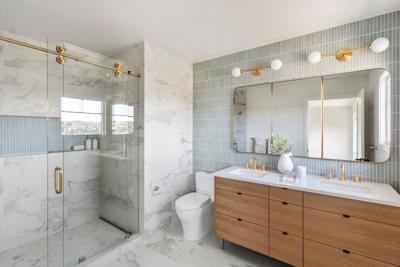

When you're planning a home renovation in San Francisco, the plumbing behind the walls is as important as the finishes everyone will see. Pipes, drains, valves, and water-heating equipment should be evaluated before layouts are finalized and surfaces are closed. Plumbing alterations may require a permit from the San Francisco Department of Building Inspection. Projects filed on or after January 1, 2026, must use the 2025 California Codes with the 2025 San Francisco amendments, so confirm the permit and inspection sequence before work begins.
Why Your Renovation Should Begin Behind the Walls
Countertops, tile, cabinetry, and paint depend on concealed systems that function properly. A leak, restricted supply line, poorly routed drain, or undersized water heater can turn a finished room back into a construction zone. Evaluating plumbing during design and demolition gives the project team time to identify defects, calculate demand, coordinate structural openings, and make repairs while the work remains accessible.
Early planning also separates necessary upgrades from optional improvements. Decisions should be based on existing conditions, measured pressure and flow, fixture specifications, simultaneous demand, and the current San Francisco Plumbing Code—not age or assumptions alone.
The True Cost of Neglecting Plumbing Prep
Late plumbing discoveries can increase labor, material, permit, and finish-replacement costs. The amount depends on access, the defect, the building type, and the scope of rerouting, so no single cost estimate fits every renovation. The larger risk is avoidable rework: opening new walls, removing cabinetry, or delaying other trades because a concealed condition was not assessed earlier.
A practical budget should include an existing-condition inspection, reasonable contingencies, and pricing for likely pipe, drain, or water-heater work. Written fixture schedules and clear responsibility for permits and inspections reduce misunderstandings.
What Makes Plumbing in San Francisco Homes Different?
San Francisco renovations often involve older buildings, varied topography, seismic risk, and limited access. These conditions make site-specific evaluation especially important.
Age of Infrastructure
Many San Francisco homes may contain galvanized steel, older copper, or several generations of repairs. Material alone does not establish remaining service life. A plumber should identify accessible materials, corrosion, patching, and flow restrictions and decide whether concealed piping should be exposed or tested during demolition.
Lead concerns also require precise identification. The U.S. Environmental Protection Agency identifies lead service lines and some brass or bronze faucets and fixtures as common sources of lead in drinking water. The San Francisco Public Utilities Commission states that San Francisco water mains are not made of lead, but a water service line or building plumbing may contain lead or lead-containing components. Determine whether the concern involves the service line, interior piping, solder, or fixtures before deciding on replacement.
Seismic Activity
Earthquake protection is not merely a general preference for water heaters. California Health and Safety Code section 19211 requires new, replacement, and existing residential water heaters within the law's scope to be braced, anchored, or strapped against falling or horizontal displacement. Other piping supports, flexible connections, and equipment anchorage must follow the applicable plumbing code, manufacturer instructions, and approved project design.
The inspection should also consider supports, equipment connections, and transitions between building components. The goal is to reduce preventable failures and comply with current requirements, not promise earthquake-proof plumbing.
Water Pressure and Supply
San Francisco's distribution system uses pressure zones based on topography, so pressure should be measured at the property rather than assumed from the neighborhood. The plumber should evaluate pressure and flow under demand, elevation changes, regulators, pipe condition, and simultaneous use.
Fixture selection must account for water-efficiency rules as well as performance. California Code of Regulations, title 20, section 1605.3 limits showerheads manufactured on or after July 1, 2018, to 1.8 gallons per minute at 80 pounds per square inch. For showerheads with multiple nozzles, the total flow from all nozzles in use cannot exceed that limit. A code-compliant multi-outlet shower can still create significant simultaneous hot-water demand, so the full system must be calculated.
Inspecting Existing Pipes Before Finalizing the Design
Before placing new fixtures, establish the condition, capacity, routing, and access of plumbing in walls, floors, and service connections.
The Value of a Professional Plumbing Inspection
Use an appropriately licensed plumbing contractor for regulated plumbing work and verify the license through the California Contractors State License Board. The C-36 plumbing classification includes water and gas piping, waste disposal, water-heating equipment, and related safety devices. The project team should also decide in writing who will obtain permits, schedule inspections, and respond to correction notices.
The inspection may include material identification, pressure and flow measurements, leak testing, and camera review of selected drains or sewer lines. Obtain written findings and retain useful photographs or video.
Identifying Potential Problem Areas
Corrosion, mineral buildup, pinhole leakage, unsupported piping, poor prior repairs, and mixed materials can signal the need for closer evaluation. Galvanized piping may restrict flow, while older copper may show localized deterioration. Suspected lead-containing components should be identified rather than described broadly as “lead pipes.”
Not every old component needs replacement, but defective or inaccessible piping behind expensive finishes deserves careful review. The plumber should explain observed conditions, remaining uncertainty, recommended testing, and the basis for each repair.
Matching Luxury Fixtures to Water Pressure and Pipe Capacity
Specialty showers, freestanding tubs, and wall-mounted fixtures can affect piping, drainage, framing, waterproofing, and water-heater design. Select them early enough for review of manufacturer specifications.
Ensuring Adequate Water Flow
Fixture performance depends on available pressure, flow rate, valve requirements, temperature control, and simultaneous demand, so a local plumbing contractor such as Advanced Plumbing & Drain can evaluate whether the proposed system will support the selected fixtures. A multi-outlet shower may disappoint even when each individual outlet is code-compliant if the supply system or water heater cannot support the combined load.
The plumber should calculate demand using measured conditions and the applicable code. Solutions may include rerouting, replacing restricted piping, adjusting pressure regulation, or revising fixtures. Larger pipes alone do not correct every delivery problem.
The Impact of Pipe Size
Pipe size affects available flow, but it must be evaluated with pipe length, fittings, elevation, material, pressure, and fixture demand. Older piping may be too small, internally restricted, or poorly routed for the proposed use; in other homes, the existing system may be adequate.
Do not rely on a general rule that an added bathroom automatically requires larger pipes. Require a documented sizing analysis, especially for a primary suite with a soaking tub, multiple shower outlets, or fixtures expected to operate while other bathrooms and appliances are in use.
Planning Reliable Hot Water for Modern Lifestyles
Reliable hot water depends on the household's peak demand, incoming water temperature, equipment capacity, distribution layout, and energy source. The correct system should be selected from calculations, not from home size alone.
Tankless vs. Tank Hot Water Heaters
Storage water heaters hold heated water for later use. Tankless units heat water on demand, but their output is limited by rated flow and the temperature rise they must provide. A tankless unit can run continuously within its capacity; it does not provide unlimited hot water to any number of simultaneous fixtures.
Compare systems using peak demand, recovery or flow capacity, utility service, venting, clearances, maintenance, and cost. Installation must comply with applicable codes and manufacturer instructions.
Strategic Placement for Efficiency
Locating the water heater near major points of use can shorten hot-water runs and reduce waiting and distribution losses. In larger or spread-out homes, a properly designed recirculation system or separate equipment may improve delivery, but either option adds design, energy, control, and maintenance considerations.
Confirm equipment access, service drainage, required clearances, and a practical replacement route. Placement must support safe servicing, not simply minimize distance.
Designing Kitchens and Bathrooms Around Practical Plumbing Routes
Coordinate plumbing routes before construction documents are finalized. Moving fixtures can affect drains, vents, water lines, framing, waterproofing, and rooms below.
Minimizing Extensive Re-routing
Keeping fixtures near existing stacks and supply routes can reduce disruption, but retaining a defective or poorly located system is not always economical. Compare the cost and risk of reuse against a new route that improves access, drainage, or long-term reliability.
Stacking bathrooms or aligning wet walls may simplify routing. Final routes must also account for supports, firestopping, access, and structural and electrical work.
Accounting for Drain Slope
Drainage piping must be sized, vented, supported, and sloped as required by the current San Francisco Plumbing Code and approved plans. The correct slope is not a design preference; it depends on the pipe and installation.
Relocating a toilet, shower, or kitchen sink may require openings through joists or changes to ceilings below. The plumber, architect, and structural professional should coordinate these conditions before framing is altered. Plumbing convenience should never override structural requirements.
Protecting Marble, Hardwood, Cabinetry, and Custom Finishes
The best time to find a plumbing defect is before walls, floors, and cabinets restrict access. Testing, inspection, and documentation should be part of the construction schedule rather than an informal final check.
The Risk of Post-Installation Leaks
A small leak can damage wood flooring, cabinetry, wall finishes, and stone assemblies. New plumbing should receive the tests and inspections required by the applicable code and permit before it is concealed. The project team should confirm with the Department of Building Inspection when an inspection is required and should not cover regulated work prematurely.
Photographs of open walls can help with maintenance but do not replace testing or inspection. Keep permit records, approved plans, test documents, and final inspection results.
Accessibility for Future Maintenance
Access should be planned for valves, cleanouts, pumps, filters, and equipment that require service. Some access is code-driven; other access panels are practical design choices intended to reduce future demolition.
Coordinate panels with cabinetry and finishes. Do not place routine service points where access requires removing permanent stone, tile, or built-ins.
Checking Drains and Sewer Lines Before Remodeling
A renovation that adds fixtures or changes drainage should include an appropriate review of internal drains, the building sewer, and the sewer lateral based on the property's history, symptoms, and proposed work.
Comprehensive Sewer Line Inspections
A camera inspection can identify roots, cracks, offsets, sags, buildup, and other defects, but it should be recommended according to project risk rather than described as mandatory for every renovation. Obtain and retain the recording and a written explanation of any defect and its location.
The San Francisco Public Utilities Commission distinguishes the upper and lower sewer lateral. The owner is responsible for inspecting and maintaining both portions and for repairing or replacing the upper lateral. When a plumber identifies a possible structural defect in the lower lateral, the owner should notify SFPUC through 311; SFPUC will inspect and, under most circumstances, complete necessary lower-lateral repair or replacement. Confirm permits and agency responsibility before authorizing private excavation or trenchless work.
Addressing Drain Capacity
Additional fixtures do not automatically overwhelm an older drain. Capacity depends on pipe size, slope, venting, condition, routing, and the calculated drainage load. A camera inspection can show condition but does not by itself establish code-compliant capacity.
Have the plumber evaluate the internal branches, stacks, building drain, and proposed fixture load together. Slow drainage or recurring backups should be investigated before new finishes are installed.
Coordinating the Plumber, Designer, Architect, and Contractor
Plumbing decisions affect architecture, interiors, structure, waterproofing, utilities, cost, and schedule. Early coordination is therefore a practical control against conflicts and rework.
The Importance of Early Collaboration
Include the plumbing contractor during design, especially when the project involves wall-hung fixtures, floating vanities, multiple shower outlets, major relocations, or new water-heating equipment. Review fixture specifications, routing, structural support, access, utility capacity, permits, and inspections before plans are finalized.
For regulated work, verify the contractor's license and identify who will pull the plumbing permit. Projects filed on or after January 1, 2026, use the 2025 California Codes and 2025 San Francisco amendments. Condominium, tenancy-in-common, and multifamily projects may also require coordination with building management and review of private governing documents before work affects common piping or shared areas.
Seamless Communication Leads to Success
Changes should be documented and distributed to everyone whose work is affected. A revised fixture, valve, wall location, or equipment model can change piping, framing, waterproofing, electrical service, venting, cost, and inspection timing.
Use current drawings and written approvals. Before walls are closed, confirm required tests and inspections and verify access, shutoffs, and equipment clearances.
Building Maintenance Access Into the Finished Home
Long-term serviceability should be checked during design and again before finishes are installed. The objective is to make routine work possible without unnecessary damage.
Strategic Location of Shut-off Valves
Provide the shut-off valves required by the applicable code and consider additional accessible isolation valves where they would simplify maintenance. Valve locations should be identified in the project records and should remain reachable after cabinetry, appliances, and access panels are installed.
A homeowner should also know the location of the main water shutoff and how to operate it. Do not conceal an important valve behind a permanently fixed finish or an appliance that cannot be moved safely.
Planning for Appliance Servicing
Water heaters, filters, pumps, and directly connected appliances need enough clearance for inspection, maintenance, and replacement. Tankless equipment may require periodic service based on water conditions and manufacturer instructions; storage equipment also needs safe access to controls, valves, drains, and connections.
Before final completion, confirm that technicians can reach service points and that the homeowner receives manuals, warranties, permit records, inspection approvals, and photographs of concealed plumbing. These records help the finished home remain functional and maintainable without sacrificing its design.
Frequently Asked Questions
Do plumbing changes during a San Francisco renovation require a permit?
Plumbing alterations may require a permit from the San Francisco Department of Building Inspection. The project team should confirm the applicable permit and inspection requirements before work begins and before regulated plumbing is concealed.
Why should existing plumbing be inspected before the renovation design is finalized?
An early inspection can identify corrosion, restricted piping, leaks, poor prior repairs, drainage defects, and capacity problems while the systems are still accessible. The findings can affect fixture selection, plumbing routes, water-heater sizing, structural coordination, and the renovation budget.
Is a tankless water heater always better for a larger home?
No. Tankless units provide hot water continuously only within their rated capacity. The correct system depends on peak demand, incoming water temperature, utility service, venting, installation clearances, maintenance needs, and the number of fixtures expected to operate at the same time.
Who is responsible for repairing a San Francisco sewer lateral?
The property owner is responsible for inspecting and maintaining both the upper and lower portions of the sewer lateral and for repairing or replacing the upper lateral. A suspected structural defect in the lower lateral should be reported to the San Francisco Public Utilities Commission through 311 for inspection and possible repair.
Why should shutoff valves and plumbing equipment remain accessible?
Accessible valves, cleanouts, pumps, filters, and water-heating equipment make routine maintenance and emergency repairs easier. Planning access before cabinetry, tile, stone, and other finishes are installed can reduce the need to remove or damage completed work later.
(0) comments
We welcome your comments
Log In
Post a comment as Guest
Keep it Clean. Please avoid obscene, vulgar, lewd, racist or sexually-oriented language.
PLEASE TURN OFF YOUR CAPS LOCK.
Don't Threaten. Threats of harming another person will not be tolerated.
Be Truthful. Don't knowingly lie about anyone or anything.
Be Nice. No racism, sexism or any sort of -ism that is degrading to another person.
Be Proactive. Use the 'Report' link on each comment to let us know of abusive posts.
Share with Us. We'd love to hear eyewitness accounts, the history behind an article.