
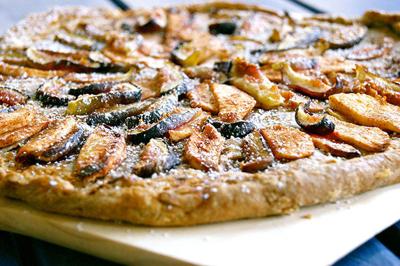
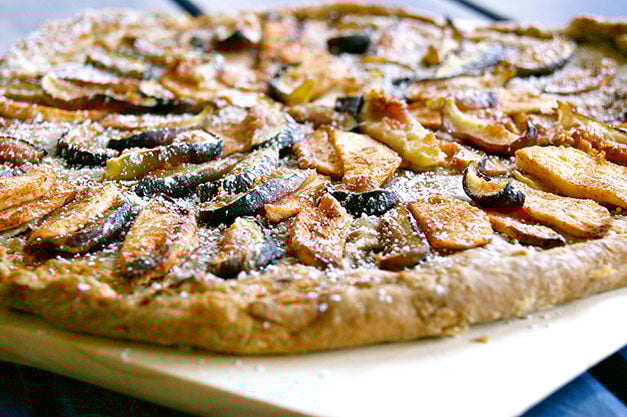
Crostata
Some desserts are made to impress from across the room. A classic Italian crostata works more quietly.
Its beauty comes from a golden lattice, a jewel-toned layer of fruit preserves and a buttery pastry that crumbles delicately beneath the fork. It looks elegant enough for a dinner table but still feels like something that belongs in a family kitchen, served with coffee in the afternoon or cut into generous slices for breakfast the next morning.
Crostata is one of Italy’s most recognizable home-baked desserts. The traditional version begins with pasta frolla, a sweet Italian shortcrust pastry made with flour, butter, sugar and eggs. The dough is pressed or rolled into a tart pan, spread with jam and finished with strips of pastry across the top. Italian crostate may also contain ricotta, pastry cream, chocolate or fresh fruit, but the jam-filled version remains the essential place to begin.
This recipe balances tenderness with enough structure to hold a clean slice. Lemon zest brightens the butter-rich pastry, while apricot preserves provide the classic golden filling. Raspberry, cherry, fig or strawberry preserves work beautifully as well.
The result is polished without being fussy, familiar without being ordinary and far easier to make than its elegant lattice suggests.
What Makes This Crostata Different
A crostata is not simply an American pie with an Italian name.
The pastry is sweeter and more tender than traditional pie dough. Instead of aiming for flaky layers, pasta frolla should have a delicate, almost cookie-like texture. It is rich enough to hold its shape yet soft enough to break cleanly beneath a fork.
The filling is also intentionally simple. There is no need to cook fresh fruit, prepare a custard or thicken juices. A good-quality preserve provides the sweetness, acidity and concentrated fruit flavor in one layer.
The most important detail is balance. Too much jam can bubble over, soften the bottom crust and overwhelm the pastry. Too little leaves the tart dry. A measured layer allows the fruit and shortcrust to meet in nearly every bite.
Classic Italian Jam Crostata Recipe
Prep time: 35 minutes
Chilling time: 1 hour
Bake time: 35 to 42 minutes
Cooling time: 1 hour
Total time: Approximately 3 hours
Yield: One 9-inch tart
Serves: 8 to 10
Ingredients
For the pasta frolla
2½ cups all-purpose flour, spooned and leveled, or 315 grams
¾ cup granulated sugar, or 150 grams
½ teaspoon fine sea salt
½ teaspoon baking powder
Finely grated zest of one lemon
¾ cup cold unsalted butter, cut into small cubes, or 170 grams
1 large egg
2 large egg yolks
1 teaspoon pure vanilla extract
For the filling
1¼ cups thick apricot preserves, or approximately 375 grams
1 teaspoon fresh lemon juice, optional
1 tablespoon all-purpose flour, for handling the dough
1 tablespoon milk or cream, for brushing the lattice
Powdered sugar, for serving, optional
Choose the Right Jam
Apricot is one of the most traditional and versatile fillings because its light acidity balances the rich pastry. It also creates the classic amber-colored center that makes crostata instantly recognizable.
Other excellent choices include:
raspberry preserves for a sharper, more dramatic flavor;
cherry preserves for a deeper fruit profile;
fig preserves for a richer, almost honeyed tart;
strawberry preserves for a sweeter, familiar result;
plum preserves for a slightly tart autumn variation.
Choose a thick preserve rather than a loose fruit spread or syrupy jam. Very runny jam can leak through the lattice and soften the crust.
Preserves with some fruit texture work well, but unusually large pieces should be chopped or mashed before filling the tart. If the preserves taste extremely sweet, stir in a teaspoon of lemon juice.
Make the Pasta Frolla
Place the flour, sugar, salt, baking powder and lemon zest in a large mixing bowl. Whisk until evenly combined.
Add the cold butter. Use a pastry cutter, two knives or your fingertips to work the butter into the flour until the mixture resembles coarse crumbs with a few small pieces of butter remaining.
In a separate small bowl, whisk together the whole egg, egg yolks and vanilla.
Pour the egg mixture into the flour mixture. Stir with a fork until the dough begins forming moist clumps. Turn it onto a clean work surface and gently bring it together with your hands.
Do not knead the dough as though making bread. Work it only until no dry streaks remain and it forms a cohesive disk. Overworking develops gluten and can make the finished crust tough rather than tender.
Divide the dough into two portions, with approximately two-thirds for the tart shell and one-third for the lattice. Flatten each portion into a disk and wrap separately.
Refrigerate for at least one hour. The dough can also be prepared one day in advance.
Prepare the Tart Pan
Lightly butter a 9-inch tart pan with a removable bottom.
Remove the larger disk of dough from the refrigerator and let it sit at room temperature for five to eight minutes. It should be firm but flexible enough to roll without cracking severely.
Lightly flour the work surface and rolling pin. Roll the dough into an approximately 12-inch circle, turning it occasionally to prevent sticking.
Carefully transfer it to the tart pan. Gently press the dough across the bottom and into the fluted sides without stretching it. Run the rolling pin over the top edge of the pan to remove the excess.
If the dough cracks during transfer, patch it with a small piece of extra dough. Pasta frolla is forgiving, and the repair will become nearly invisible after baking.
Prick the bottom lightly with a fork, avoiding deep holes that could allow jam to seep underneath.
Refrigerate the lined tart pan for 15 minutes while the oven heats.
Fill the Crostata
Preheat the oven to 350 degrees Fahrenheit with a rack positioned in the center.
Stir the preserves until smooth. Add the optional lemon juice if the jam needs more brightness.
Spoon the preserves into the chilled tart shell and spread them evenly with an offset spatula or the back of a spoon. Leave a small margin below the upper edge because the filling may bubble as it bakes.
Avoid adding extra jam simply because the layer appears shallow. The filling becomes more concentrated in the oven, and an overly thick layer can make the tart difficult to slice cleanly.
Create the Lattice
Remove the smaller disk of pastry from the refrigerator. Roll it on a lightly floured surface to approximately one-eighth inch thick.
Using a pastry wheel, pizza cutter or sharp knife, cut the dough into strips approximately three-quarters of an inch wide.
Arrange half the strips across the tart in one direction, leaving even spaces between them. Place the remaining strips diagonally in the opposite direction.
A fully woven lattice is attractive but not essential. Traditional crostata often has a relaxed, handmade appearance. Simply laying the strips across each other still creates the recognizable diamond pattern.
Press the ends of the strips gently into the edge of the tart shell and trim away any excess.
Brush the pastry strips lightly with milk or cream. Avoid brushing the exposed jam.
Bake Until Deeply Golden
Place the tart pan on a rimmed baking sheet to catch any possible drips.
Bake for 35 to 42 minutes, rotating the pan once after approximately 25 minutes. The crostata is ready when the pastry is golden across the surface, slightly deeper around the edges and dry rather than pale beneath the lattice.
A lightly colored crostata may look finished but can taste floury and soft once cooled. Allowing the pastry to develop a confident golden color produces a better flavor and cleaner texture.
If the edges brown too quickly, loosely cover them with narrow strips of aluminum foil while the center continues baking.
Transfer the tart to a wire rack and cool it completely in the pan.
Do not slice it while warm. The preserves need time to set, and the pastry becomes more stable as it cools.
Once cooled, remove the outer ring of the tart pan. Dust lightly with powdered sugar before serving, if desired.
Why Chilling the Dough Matters
The refrigeration periods are not unnecessary delays.
Cold butter helps the pastry maintain its shape in the oven. Chilling also gives the flour time to hydrate and allows the dough to relax after mixing and rolling.
If the pastry becomes warm or greasy while forming the lattice, place the strips in the refrigerator for ten minutes before arranging them. Cool dough is easier to move and produces cleaner lines.
A crostata made with properly chilled dough should hold its fluted edge and lattice pattern rather than melting into the filling.
How to Prevent a Soggy Bottom
Jam crostata does not normally require blind baking, but a few details help keep the base properly baked.
Use thick preserves, not a watery fruit sauce. Keep the filling layer moderate. Bake the tart on the center rack rather than too high in the oven, and place the tart pan on a metal baking sheet rather than an insulated one.
A metal tart pan conducts heat efficiently and helps the bottom pastry set.
Allowing the crostata to cool completely is equally important. The pastry may seem softer immediately after baking but becomes more structured as it rests.
For additional baking guidance, FINE Magazine’s look at when to use thickeners in food preparation explains how flour, starch and other ingredients affect fruit fillings and sauces.
Common Crostata Mistakes
Working the pastry too much
Pasta frolla should be handled gently. Excessive kneading can create a firm, chewy crust instead of a tender one.
Using warm butter
Soft butter blends too thoroughly into the flour and may cause the pastry to spread. Begin with cold butter and chill the dough before rolling.
Adding too much flour while rolling
A light dusting is enough. Excess flour can dry out the pastry and make it crack.
Choosing a loose jam
Thin jam can boil through the lattice, seep beneath the crust and create a sticky bottom.
Overfilling the shell
More filling does not necessarily create a better tart. A balanced layer makes the crostata easier to bake, cool and slice.
Cutting it too soon
Warm jam is fluid. Give the tart at least one hour to cool before removing it from the pan or cutting it.
Make It Ahead
Crostata is an ideal make-ahead dessert because its flavor and texture remain excellent after resting.
The completed tart can be baked one day before serving and kept covered at room temperature. In fact, many people prefer it the following day, when the lemon, butter and fruit flavors have settled together.
The pastry dough can be refrigerated for up to two days. Let it soften briefly at room temperature before rolling.
It can also be frozen for up to one month. Wrap the dough disk tightly and thaw it overnight in the refrigerator.
A fully baked crostata can be frozen as well. Cool it completely, wrap it carefully and freeze for up to one month. Thaw at room temperature while still wrapped to reduce condensation on the pastry.
How to Serve Crostata
Crostata is traditionally comfortable at almost any hour.
Serve it in slender slices with espresso or cappuccino in the morning. Offer it with tea in the afternoon, or place it on the dessert table after dinner with softly whipped cream.
For a more polished presentation, add a spoonful of crème fraîche, mascarpone or lightly sweetened whipped cream beside each slice. Fresh berries can provide contrast when using raspberry or strawberry preserves.
A glass of Vin Santo, Moscato d’Asti or another lightly sweet dessert wine also pairs beautifully with the buttery crust and concentrated fruit.
For more inspiration on turning dessert into the focal point of a meal, explore FINE Magazine’s feature on where dessert becomes the destination in coastal San Diego.
Variations Worth Trying
Once the basic technique is familiar, the same dough can support numerous variations.
Spread a thin layer of almond flour beneath the jam for a subtle nutty flavor. Add a small amount of finely chopped rosemary to apricot preserves for a more contemporary finish. Use fig preserves and orange zest for a deeper winter crostata, or fill the tart with raspberry preserves and replace the lemon zest with orange.
For a more decorative top, cut small flowers, leaves or stars from the remaining dough instead of making a lattice.
The pastry can also be divided into small tartlet pans for individual servings. Begin checking smaller crostate after approximately 22 minutes.
Crostata is flexible by nature. Italian cooks prepare versions with jam, fruit, custard, ricotta and chocolate, which is part of why the dessert has remained so enduring.
A Dessert That Rewards Restraint
There is nothing excessive about a classic crostata.
It does not need elaborate decoration, multiple fillings or a long list of specialty ingredients. Its appeal comes from the contrast between tender pastry and bright fruit, finished with a lattice that looks just imperfect enough to reveal that it was made by hand.
Use good butter, flavorful preserves and fresh lemon zest. Chill the dough properly, resist overfilling the shell and bake the pastry until deeply golden.
The result is the kind of dessert that feels equally right on a linen-covered dinner table or beside a morning cup of coffee—a quiet Italian classic that never needed reinvention to remain beautiful.

(0) comments
We welcome your comments
Log In
Post a comment as Guest
Keep it Clean. Please avoid obscene, vulgar, lewd, racist or sexually-oriented language.
PLEASE TURN OFF YOUR CAPS LOCK.
Don't Threaten. Threats of harming another person will not be tolerated.
Be Truthful. Don't knowingly lie about anyone or anything.
Be Nice. No racism, sexism or any sort of -ism that is degrading to another person.
Be Proactive. Use the 'Report' link on each comment to let us know of abusive posts.
Share with Us. We'd love to hear eyewitness accounts, the history behind an article.