

There are cocktails that require obscure liqueurs, elaborate garnishes and enough specialized equipment to make the home bar feel like a chemistry lab. The Whiskey Sour is not one of them.
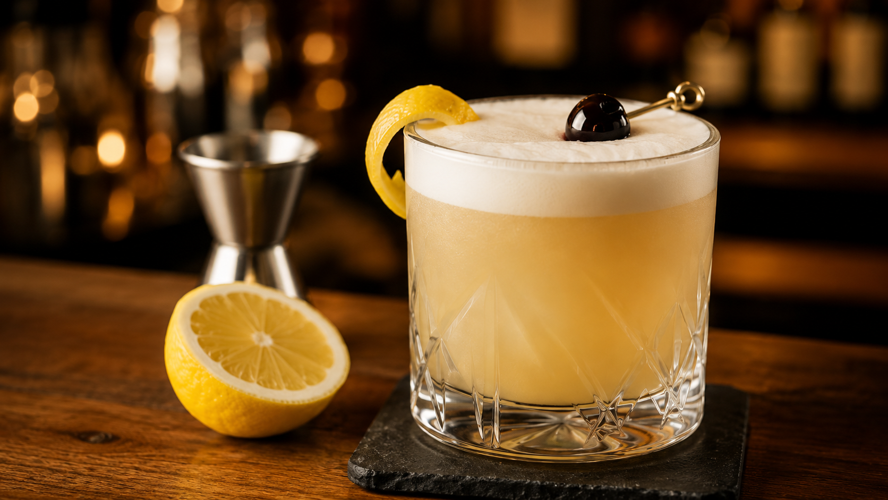
At its core, the drink is beautifully straightforward: whiskey, fresh lemon juice and something sweet. Add an egg white if you want the silky, foamy version. Skip it if you prefer something brighter and more refreshing. On National Whiskey Sour Day, celebrated August 25, that simplicity is exactly what makes this nineteenth-century cocktail worth revisiting.
The Whiskey Sour has remained relevant because it is less a rigid recipe than a dependable formula. Change the whiskey and the personality of the entire drink changes with it.
Why the Whiskey Sour Still Works
The sour family of cocktails is built around one of bartending’s most durable ideas: balance a base spirit with citrus and sweetness. Whiskey gives that basic formula enough oak, caramel, vanilla, fruit or spice to keep things interesting without requiring a long ingredient list.
Versions of the Whiskey Sour appeared in print during the nineteenth century, and the combination has survived generations of cocktail trends. A modern classic generally starts with approximately two ounces of whiskey, fresh lemon juice and simple syrup. Egg white is optional, although it adds the velvety texture and foamy cap many people associate with a traditional sour.
Fresh lemon matters. Bottled sour mix may be convenient, but the entire appeal of this cocktail rests on the tension between real citrus, sweetness and whiskey. When there are only three primary ingredients in the glass, each one has nowhere to hide.
Start With the Classic
For National Whiskey Sour Day, begin with a straightforward version before experimenting.
Classic Whiskey Sour
- 2 ounces whiskey
- 3/4 ounce freshly squeezed lemon juice
- 1/2 ounce simple syrup
- 1/2 ounce pasteurized egg white, optional
- Ice
- Lemon peel or cocktail cherry for garnish
- A few drops of aromatic bitters, optional
If using egg white, combine the whiskey, lemon juice, syrup and egg white in a cocktail shaker and shake vigorously without ice first. This “dry shake” aerates the egg white and builds the cocktail’s characteristic foam. Add ice, shake again until chilled, then strain into a coupe or a rocks glass.
Without egg white, simply shake the whiskey, lemon and syrup with ice and strain over fresh ice.
Once that formula is down, the bottle you reach for becomes the interesting part.
Jim Beam Keeps It Familiar

There is a reason bourbon is such a natural match for a Whiskey Sour. Its inherent sweetness makes it relatively easy to balance against sharp lemon juice.
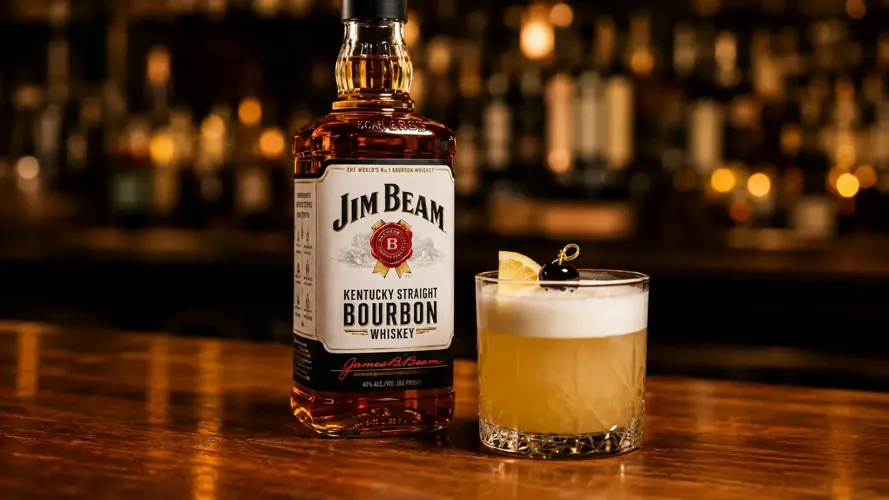
Jim Beam Kentucky Straight Bourbon Whiskey is an uncomplicated place to begin. The bourbon is aged four years and carries caramel, vanilla, oak and spice characteristics, according to the distillery. Those flavors sit comfortably behind lemon rather than competing with it.
For a classic National Whiskey Sour Day pour, this is the version for someone who wants the drink to taste recognizable from the first sip. Keep the recipe simple and let the bourbon, citrus and sugar do the work.
Sagamore Spirit Gives the Sour More Bite

Replace bourbon with rye and the cocktail immediately becomes sharper.
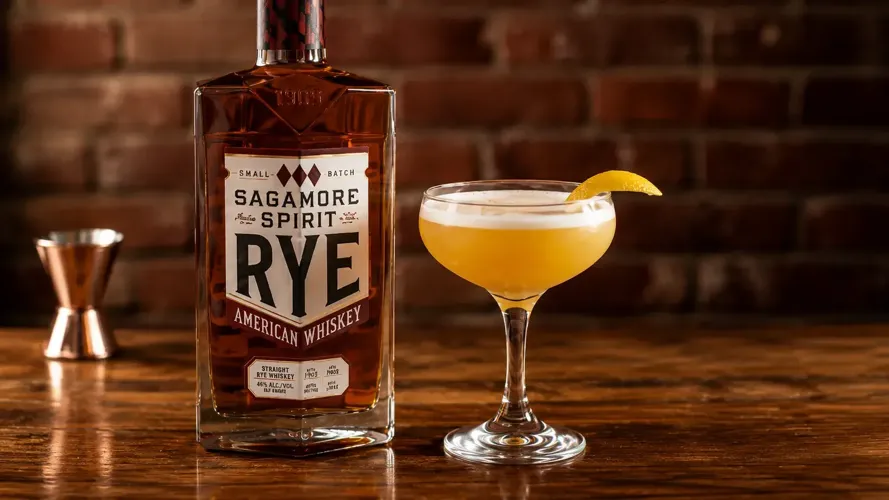
Sagamore Small Batch Rye Whiskey brings the grain’s characteristic spice into a drink otherwise dominated by sweet and sour flavors. That contrast can make a rye-based Whiskey Sour feel drier and more structured than its bourbon counterpart.
It is also a good reminder that “Whiskey Sour” does not mean “Bourbon Sour.” The basic sour format works across whiskey styles. Rye is particularly useful when you want the whiskey itself to remain assertive after the lemon and syrup arrive.
Try slightly less simple syrup at first and adjust from there. The goal is not to bury the rye’s spice but to use the lemon and sweetness to frame it.
Teeling Small Batch Makes Things Fruitier

The Whiskey Sour does not have to be American.
Teeling Small Batch Irish Whiskey offers another direction entirely. Teeling matures its grain and malt whiskey in ex-bourbon barrels before marrying it in Central American rum casks for up to 12 months. The resulting whiskey has vanilla, dried fruit, raisin, apricot and warming spice notes.
Those fruit-forward qualities work particularly well with fresh lemon. Instead of the familiar caramel-heavy bourbon profile, the cocktail becomes lighter and more aromatic.
For National Whiskey Sour Day, this is an easy way to demonstrate just how flexible the original recipe can be without adding extra syrups, flavored liqueurs or elaborate garnishes.
BHAKTA 1928 Takes the Experiment Further
Then there is BHAKTA 1928, which is anything but conventional.
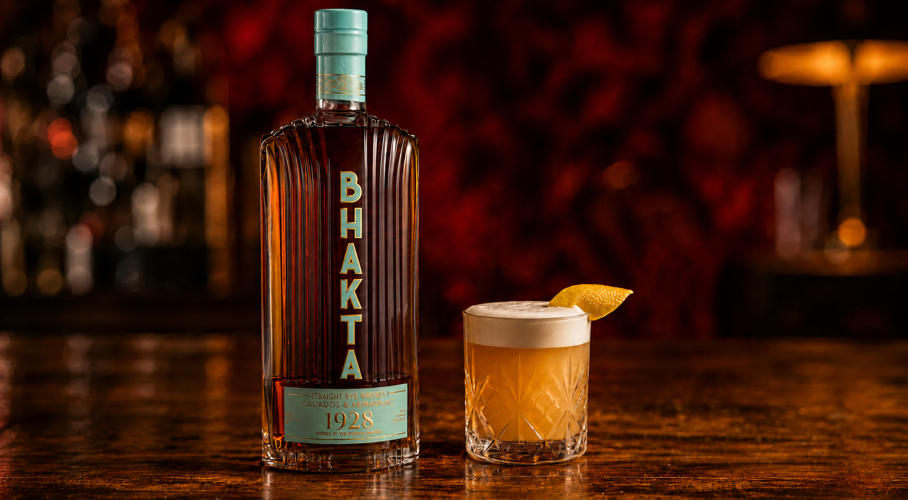
The 100-proof blend combines 60 percent straight rye whiskey, 30 percent XO Calvados and 10 percent Armagnac from several vintages, including the namesake 1928 vintage. The combination pulls together rye spice, apple character, vanilla, oak and mature brandy notes.
That makes it an intriguing choice for someone who already knows the traditional Whiskey Sour and wants to push the format farther. Lemon can highlight the fruit components while the rye and higher proof prevent the cocktail from becoming overly sweet.
With a bottle this layered, start conservatively with the simple syrup. You can always add sweetness; removing it is considerably harder.
A Classic Cocktail That Rewards Experimentation
Perhaps the best thing about National Whiskey Sour Day is that celebrating it does not require reinventing anything.
Make one with bourbon. Make the next with rye. Reach for Irish whiskey after that. Add egg white to one and leave it out of another. Swap standard simple syrup for honey or maple on another occasion. A cocktail more than a century old still leaves plenty of room to play.
The lesson is simple: a good Whiskey Sour is not about masking whiskey. It is about finding the point where spirit, citrus and sweetness meet.
And on August 25, opening the bar cabinet in the name of research seems entirely reasonable.

(0) comments
We welcome your comments
Log In
Post a comment as Guest
Keep it Clean. Please avoid obscene, vulgar, lewd, racist or sexually-oriented language.
PLEASE TURN OFF YOUR CAPS LOCK.
Don't Threaten. Threats of harming another person will not be tolerated.
Be Truthful. Don't knowingly lie about anyone or anything.
Be Nice. No racism, sexism or any sort of -ism that is degrading to another person.
Be Proactive. Use the 'Report' link on each comment to let us know of abusive posts.
Share with Us. We'd love to hear eyewitness accounts, the history behind an article.