
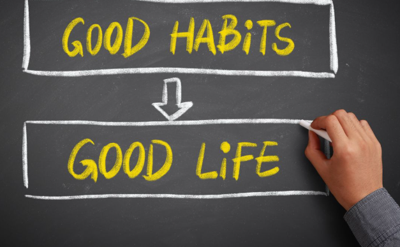

Making better choices for everyday essentials begins with clarity. It’s easy to fall into the trap of buying items out of habit, convenience, or marketing influence, but taking a moment to evaluate your actual needs can make a significant difference. Whether it’s groceries, household products, or personal items, understanding what you truly use and what you don’t, helps reduce waste and unnecessary spending. Start by reviewing your regular purchases and identifying patterns. Are there items you consistently throw away or rarely use? Adjusting your buying habits accordingly can lead to smarter, more intentional decisions.
Prioritizing Quality Over Quantity
One of the most effective ways to improve your choices is by focusing on quality. While cheaper options may seem appealing at first, they often need to be replaced more frequently, costing more in the long run. Investing in durable, well-made products can save both money and time. This applies to everything from kitchen tools to clothing and even electronics. High-quality items tend to perform better and provide greater satisfaction, making them a worthwhile investment.
Comparing Options Before Buying
In the digital world, there’s no shortage of information available to help you make informed decisions. Taking a few extra minutes to compare products, read reviews, and evaluate alternatives can lead to better outcomes. This is especially important for larger or recurring expenses. For instance, when evaluating services, using a car insurance quotes comparison tool can help you find better coverage at a more competitive rate. Applying this same mindset to everyday essentials ensures you’re always getting the best value for your money.
Being Mindful of Branding and Marketing
Brand loyalty can be powerful, but it’s not always justified. Many consumers stick to familiar brands without questioning whether they still offer the best option. Marketing campaigns are designed to influence your choices, often encouraging you to spend more than necessary. By staying mindful of these tactics, you can make decisions based on value and performance rather than perception. Generic or lesser-known brands often provide similar quality at a lower price, making them worth considering.
Planning Ahead to Avoid Impulse Purchases
Impulse buying is one of the biggest obstacles to making better choices. Whether it’s grabbing extra items at the checkout or making unplanned online purchases, these decisions can quickly add up. Creating a shopping list and sticking to it is a simple but effective strategy. Planning meals, setting a budget, and scheduling your shopping trips can help you stay focused and avoid unnecessary spending. Over time, these small changes can lead to significant savings and more thoughtful consumption.
Considering Sustainability and Longevity
Another important factor in making better choices is sustainability. Everyday essentials often have an environmental impact, from packaging waste to production methods. Choosing products that are eco-friendly, reusable, or made from sustainable materials can help reduce your footprint. Additionally, opting for items with a longer lifespan means fewer replacements and less waste. This not only benefits the environment but also supports a more mindful and responsible lifestyle.
Evaluating Convenience vs. Cost
Convenience is often a key factor in decision-making, but it usually comes at a price. Pre-packaged meals, delivery services, and single-use items may save time, but they can also be more expensive and less efficient in the long run. Balancing convenience with cost is essential. In some cases, spending a little extra for convenience is worth it, but in others, a bit of extra effort can lead to better value. Understanding where to draw the line helps you make choices that align with your priorities.
Building Better Habits Over Time
Ultimately, making better choices for everyday essentials is about building habits. Small, consistent changes can have a lasting impact on your finances, lifestyle, and overall satisfaction. By being more intentional, comparing options, and focusing on quality and sustainability, you can create a more efficient and rewarding approach to everyday living. Over time, these habits become second nature, making it easier to navigate decisions with confidence and clarity.


(0) comments
We welcome your comments
Log In
Post a comment as Guest
Keep it Clean. Please avoid obscene, vulgar, lewd, racist or sexually-oriented language.
PLEASE TURN OFF YOUR CAPS LOCK.
Don't Threaten. Threats of harming another person will not be tolerated.
Be Truthful. Don't knowingly lie about anyone or anything.
Be Nice. No racism, sexism or any sort of -ism that is degrading to another person.
Be Proactive. Use the 'Report' link on each comment to let us know of abusive posts.
Share with Us. We'd love to hear eyewitness accounts, the history behind an article.