
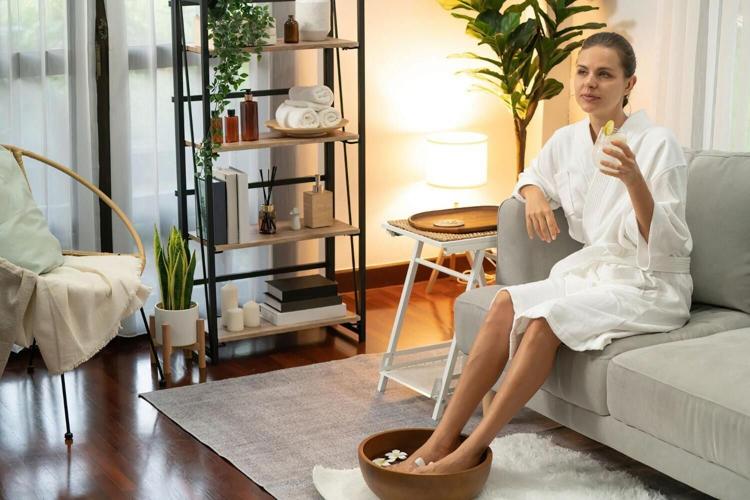

Luxury living is no longer defined solely by aesthetics. While design, materials, and architecture remain important, there is a growing emphasis on how a space feels, how it supports well-being, encourages calm, and enhances daily life. The modern home is evolving into something more intentional: a sanctuary designed not just for comfort, but for balance.
This shift reflects a broader awareness of how environments influence both physical and mental health. Lighting, air quality, noise levels, and even the way a space is organized all contribute to the overall experience of living within it. When these elements are aligned, the home becomes more than a place to reside, it becomes a place to reset.
Stress and the Invisible Layer of Living
One of the most overlooked aspects of home wellness is stress. It is not always visible, but it shapes how a space is experienced. Clutter, poor layout, constant noise, and even subtle environmental discomforts can contribute to a sense of tension that builds over time.
Creating a calmer environment begins with recognizing these influences. It’s not always about removing everything, but about refining what remains. Simplified layouts, intentional design choices, and supportive wellness routines all play a role.
In this context, solutions that address stress more directly are becoming part of everyday living. Products like Flewd are designed to support stress care in a way that fits naturally into modern routines. Rather than treating stress as an occasional issue, this approach recognizes it as something that benefits from consistent, integrated support.
Air Quality and Respiratory Comfort
Another essential, yet often underestimated, factor in home wellness is air quality. While design elements are immediately visible, the air within a home has a more subtle but equally important impact.
Poor air quality can affect comfort, sleep, and overall well-being. Dust, allergens, and environmental pollutants can accumulate even in well-maintained spaces, influencing how a home feels on a daily basis.
Addressing this requires both environmental awareness and practical solutions. Understanding how to improve respiratory comfort, whether through ventilation, filtration, or targeted approaches, is key. Resbiotic offers a guide on how to get rid of chronic congestion and provides insight into managing persistent respiratory issues, helping individuals create environments that support easier breathing and long-term comfort.
Designing for Calm and Clarity
Wellness-oriented spaces are not necessarily minimal, but they are intentional. Each element serves a purpose, contributing to a sense of clarity rather than distraction.
Color palettes tend to be softer, materials more natural, and layouts more open. These choices are not purely aesthetic, they influence how the mind responds to the environment. A well-designed space reduces cognitive load, allowing for greater focus and relaxation.
This is particularly important in homes that serve multiple functions. As living spaces increasingly accommodate work, rest, and social interaction, maintaining a sense of balance becomes more complex. Thoughtful design helps create boundaries within the same environment, supporting different activities without conflict.
The Role of Daily Rituals
Beyond design, daily routines play a significant role in shaping how a home is experienced. Small rituals, morning light exposure, quiet moments of reflection, evening wind-down practices, help anchor the day.
These routines are most effective when they align with the environment. A calm space supports calm habits, just as a chaotic space can disrupt them.
Integrating wellness into these routines does not require dramatic change. It often involves subtle adjustments, choosing supportive products, refining habits, and creating consistency. Over time, these small actions build into a more stable and restorative lifestyle.
The Science Behind Environment and Well-Being

The connection between environment and health is supported by research. According to the World Health Organization, indoor environmental factors such as air quality, noise, and living conditions have a direct impact on both physical and mental health.
This reinforces the idea that wellness is not confined to external activities like exercise or diet. It is also shaped by the spaces we inhabit daily. A well-designed home supports these broader health goals, creating conditions that make well-being more accessible.
Luxury Redefined Through Function
As priorities shift, the definition of luxury is changing. It is no longer limited to visual appeal or high-end materials. Instead, it includes functionality, comfort, and the ability of a space to support well-being.
A luxurious home today is one that feels effortless to live in. It anticipates needs, reduces friction, and provides a sense of ease. This includes everything from layout and lighting to air quality and stress management.
In this sense, wellness becomes a central element of luxury, not an addition, but a foundation.
Creating a Space That Supports You
Ultimately, the goal of a wellness-focused home is not perfection. It is alignment. A space that reflects how you want to live, and supports that vision consistently.
This involves paying attention to details that might otherwise be overlooked. How the air feels. How the space sounds. How it supports both activity and rest.
When these elements are considered together, the result is a home that does more than look beautiful. It functions as a supportive environment, enhancing both comfort and quality of life.
A More Intentional Way of Living
As homes continue to evolve, the emphasis on wellness is likely to grow. What begins as small adjustments, better air quality, reduced stress, more thoughtful design, gradually reshapes the entire living experience.
These changes do not require dramatic transformation. They are built through consistent choices, made with intention.
And over time, they create something more valuable than visual appeal alone: a home that truly supports the way you live.

(0) comments
We welcome your comments
Log In
Post a comment as Guest
Keep it Clean. Please avoid obscene, vulgar, lewd, racist or sexually-oriented language.
PLEASE TURN OFF YOUR CAPS LOCK.
Don't Threaten. Threats of harming another person will not be tolerated.
Be Truthful. Don't knowingly lie about anyone or anything.
Be Nice. No racism, sexism or any sort of -ism that is degrading to another person.
Be Proactive. Use the 'Report' link on each comment to let us know of abusive posts.
Share with Us. We'd love to hear eyewitness accounts, the history behind an article.