
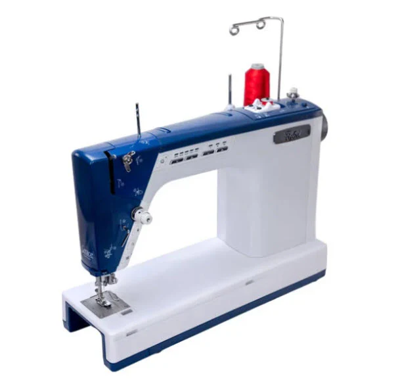

There is nothing more frustrating than working on a beautiful quilt and suddenly facing machine trouble. One minute, your stitches are perfect, and the next, your machine starts skipping, jamming, or making strange noises. In moments like these, finding a reliable quilting machine technician becomes your top priority.
However, not every repair service is equipped to handle quilting machines, especially longarm or computerized models. Choosing the wrong technician can lead to costly mistakes or even permanent damage. That is why it is important to know exactly how to find a trustworthy professional.
In this guide, you will discover the seven best ways to find a reliable quilting machine technician, so you can get back to quilting without stress.
1. Ask for Recommendations from the Quilting Community
One of the most effective ways to find a dependable technician is by tapping into the quilting community. Quilters often share their experiences and are happy to recommend professionals they trust.
Where to look:
Local quilt guilds: Members regularly deal with machine maintenance and repairs.
Quilt shops: Even if they do not offer repair services, they usually have a list of trusted technicians.
Online groups: Facebook groups and quilting forums often have discussions about local repair experts.
These sources provide honest, real-life feedback. If multiple people recommend the same technician, it is usually a strong sign of reliability.
2. Check Certifications and Brand Experience
Not all technicians are trained to handle quilting machines. These machines are more complex than standard sewing machines, especially longarm models.
What to verify:
Factory training: Ask if the technician is certified for your machine brand.
Brand-specific knowledge: Different brands require different repair techniques.
Years of experience: A technician with years of hands-on work will better understand complex issues.
Certified technicians are trained to diagnose problems accurately and fix them without causing further damage. This is especially important if your machine is still under warranty.
3. Evaluate Their Communication and Transparency
A professional technician should be clear, honest, and easy to communicate with. This helps you feel confident about the repair process.
Signs of a trustworthy technician:
Clear explanations: They explain the problem in simple terms.
Upfront pricing: They provide an estimate or base service fee.
Realistic timelines: They give a reasonable turnaround time.
Avoid technicians who are vague about costs or unwilling to answer your questions. Transparency is a key indicator of professionalism.
4. Look for On-Site Service Options
If you own a longarm quilting machine, moving it to a repair shop can be extremely difficult. These machines are large and often mounted on frames.
Why on-site service matters:
It saves time and effort.
It reduces the risk of damage during transport.
It allows the technician to assess the full setup.
Many experienced technicians offer house calls, especially for large quilting machines. This is a major advantage and often a sign that they specialize in quilting equipment.
5. Watch Out for Red Flags
Knowing what to avoid is just as important as knowing what to look for. Some warning signs can help you steer clear of unreliable technicians.
Common red flags:
Unclear or suspicious pricing.
No warranty on repairs.
Lack of proper tools or equipment.
Poor reviews or no online presence.
A reliable technician will stand behind their work and use proper tools to ensure accurate repairs. If something feels off, it is better to keep looking.
6. Read Online Reviews and Ratings Carefully
Online reviews can give you deeper insight into a technician’s reliability and service quality. While recommendations from the quilting community are helpful, reviews help you validate those suggestions.
Where to check:
Google Reviews
Yelp
Facebook business pages
What to look for:
Consistent positive feedback.
Mentions of professionalism and timely service.
Detailed experiences rather than generic comments.
Pay attention to how the technician responds to negative reviews as well. A professional who addresses concerns politely and offers solutions shows accountability and care for customers.
7. Ask About Parts Availability and Repair Warranty
A reliable quilting machine technician should not only fix your machine but also ensure long-term performance by using quality parts and offering guarantees.
Important questions to ask:
Do they use genuine or manufacturer-approved parts?
How long is the repair warranty?
Do they keep commonly used parts in stock?
Technicians with easy access to parts can complete repairs faster and more efficiently. A warranty on repairs (typically 30 to 90 days) also gives you peace of mind that the work is dependable.
Bonus Tip: Build a Relationship Before Problems Occur
The best time to find a technician is before your machine breaks down. Regular maintenance can prevent major issues and extend the life of your machine.
Benefits of routine servicing:
Keeps your machine running smoothly.
Prevents costly repairs.
Improves stitch quality.
Extends machine lifespan.
Most experts recommend scheduling a professional service once a year, especially if you quilt frequently. During maintenance, technicians clean internal parts, adjust timing, and check for wear and tear. Building a relationship with a technician also means you will have someone to call immediately when issues arise.
Why Choosing the Right Technician Matters
Your quilting machine is more than just a tool; it is an investment in your creativity. Whether you are quilting as a hobby or running a business, machine downtime can disrupt your workflow and delay important projects.
A skilled technician ensures:
Accurate repairs.
Long-term performance.
Protection of your investment.
Choosing the right professional can make the difference between a quick fix and ongoing frustration.
Finding a reliable quilting machine technician does not have to be overwhelming. By following these proven methods, asking for community recommendations, checking certifications, evaluating communication, looking for on-site services, and avoiding red flags, you can confidently choose the right expert.
Do not wait until your machine breaks down in the middle of a project. Start building a connection with a trusted technician today and schedule regular maintenance to keep your machine in top condition. A well-maintained quilting machine means smoother stitching, fewer interruptions, and more time doing what you love: creating beautiful quilts.

(0) comments
We welcome your comments
Log In
Post a comment as Guest
Keep it Clean. Please avoid obscene, vulgar, lewd, racist or sexually-oriented language.
PLEASE TURN OFF YOUR CAPS LOCK.
Don't Threaten. Threats of harming another person will not be tolerated.
Be Truthful. Don't knowingly lie about anyone or anything.
Be Nice. No racism, sexism or any sort of -ism that is degrading to another person.
Be Proactive. Use the 'Report' link on each comment to let us know of abusive posts.
Share with Us. We'd love to hear eyewitness accounts, the history behind an article.