
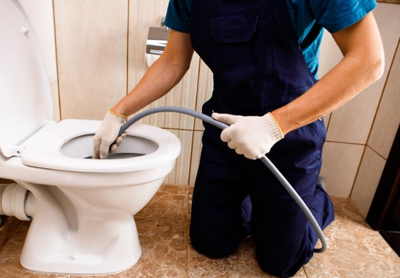

A blocked toilet can cause immediate frustration for any homeowner. Everything may seem perfectly fine at first, but after you flush, the water suddenly will not go down. Instead, the water might rise in the bowl, you hear strange noises from the pipes, and unpleasant smells can start spreading through the bathroom.
Small toilet clogs are common in many homes and are usually easy to fix. In some situations, however, the blockage could be deeper in the plumbing system. When that happens, calling a plumber Sydney can help stop the problem from turning into a more serious and costly repair.
If you understand why toilets become blocked and notice the warning signs early, you can address the issue with ease.
What Commonly Causes Toilet Blockages?
Before deciding whether professional help is needed, it helps to understand what usually causes toilet blockages.
Flushing the Wrong Items
Toilets are designed to handle only human waste and toilet paper. Unfortunately, many people flush items that are not meant to go down the toilet.
Common examples include:
● Wet wipes and baby wipes
● Sanitary products
● Cotton pads or cotton buds
● Paper towels
● Facial tissues
Unlike toilet paper, these materials do not dissolve easily in water. Instead, they can collect inside the pipes and slowly form a blockage.
Using Too Much Toilet Paper
Even though toilet paper is made to break down in water, flushing large amounts at once can still cause a clog. This is especially common in older homes where the plumbing pipes may already be narrow.
A thick bundle of paper can clump together before it has time to dissolve. As more debris catches on it, the blockage becomes larger and harder to clear.
Tree Roots in Underground Pipes
Sometimes the problem is not inside the toilet itself but further down the sewer line outside the home.
Tree roots naturally grow toward moisture. If a pipe has a small crack or joint, roots can find their way inside and begin expanding. As they grow, they can trap debris, toilet paper, and other waste moving through the drainage system.
Mineral Build-Up in Older Pipes
In homes with hard water, minerals can slowly accumulate along the inside walls of pipes. These deposits gradually reduce the space inside the pipe, making it easier for debris to get stuck. As the pipe narrows, toilets may start clogging more frequently.
What Are the Signs That a Blockage Is Getting Worse?
Gurgling Sounds
Toilets normally flush quietly. When you start hearing bubbling or gurgling noises, it can indicate trapped air inside the pipes. Air pockets often form when water cannot move freely due to an obstruction somewhere in the drainage line.
The Water Level Rises Too High
Another warning sign is when the water level rises unusually high during a flush. The level may eventually drop again, but the temporary rise shows that the drainage system is struggling to move waste through the pipes.
Bad Smells Around the Toilet
A bathroom should not have persistent foul odours. If unpleasant smells remain even after cleaning, waste may be trapped somewhere inside the pipes.
When a Blocked Toilet Becomes a Serious Problem
Frequent Clogs
Frequent blockages often point to a deeper issue within the drainage system. In this situation, a qualified plumber for a blocked toilet should inspect the pipes and identify where the obstruction is located. A professional plumber can thoroughly assess the drainage system and apply the best solution to restore proper flow.
Water Appears in Other Drains
One of the signs of a serious plumbing problem is when water backs up into other fixtures. For example:
● Flushing the toilet causes water to appear in the shower drain
● The sink bubbles when the toilet is flushed
● Water rises in multiple drains at the same time
These situations indicate a blockage in the main sewer line. When this happens, professional blocked drain repair Sydney is needed to assess the condition of the pipes and remove the blockage safely.
The Toilet Starts Overflowing
An overflowing toilet is not just unpleasant but can also cause water damage and sanitation concerns.
When the bowl overflows, it means the blockage is severe enough to completely stop water from passing through the pipe. Continuing to flush can make the situation worse and spread contaminated water in the bathroom.
At this stage, contacting a plumber in Sydney as soon as possible is the best choice.
Can You Fix a Blocked Toilet Yourself?
For minor clogs, homeowners often try a few basic methods before calling a professional. A plunger is usually the first tool people reach for. When used properly, it can help loosen blockages located near the toilet bowl.
Some people also try simple solutions such as:
● Pouring hot water into the bowl
● Adding baking soda followed by vinegar
● Using a basic drain snake
These methods could work for small blockages. However, they cannot remove deeper obstructions in the plumbing system. If the clog keeps returning or refuses to clear, a blocked toilet plumber can provide a more reliable solution.
How Professional Plumbers in Sydney Handle Blocked Toilets
Professional plumbers use specialised tools that go far beyond what most households have available.
Many modern plumbing services start with a small inspection camera that is inserted into the pipe. This camera allows the plumber to see exactly where the blockage is located and what is causing it.
Once the problem is identified, the plumber will use techniques such as:
● High-pressure water jetting to remove debris
● Mechanical drain snakes to break apart stubborn clogs
● Root cutting equipment for tree root intrusions
With the right tools and experience, a trained plumber for a blocked toilet can restore proper drainage and reduce the chances of the problem happening again.
A blocked toilet can start as a minor issue but quickly turn into a serious plumbing problem. The key is recognising the warning signs early and taking action before the situation escalates.
When the blockage becomes persistent or begins affecting other drains in the home, calling a professional plumber is the most effective solution. With the right fix, your plumbing system can return to normal fast.

(0) comments
We welcome your comments
Log In
Post a comment as Guest
Keep it Clean. Please avoid obscene, vulgar, lewd, racist or sexually-oriented language.
PLEASE TURN OFF YOUR CAPS LOCK.
Don't Threaten. Threats of harming another person will not be tolerated.
Be Truthful. Don't knowingly lie about anyone or anything.
Be Nice. No racism, sexism or any sort of -ism that is degrading to another person.
Be Proactive. Use the 'Report' link on each comment to let us know of abusive posts.
Share with Us. We'd love to hear eyewitness accounts, the history behind an article.