

The hat bar has evolved from a niche novelty into one of the most in-demand experiential retail concepts in the country, with boutiques, wedding planners, and corporate event organizers all racing to add it to their offerings.
Partnering with the right hat bar supplier from the very beginning is what separates a thriving hat bar program from one that struggles to deliver a consistent, high-quality experience for every guest.
What a Hat Bar Actually Is
A hat bar is an interactive styling station where the product and the experience are inseparable. Guests do not simply purchase a hat; they participate in designing it in real time, selecting from a curated menu of customization options that can include leather and rope trims, hat bands, feathers, pins, patches, charms, matchstick details, and burning or branding marks applied on-site by a skilled stylist.
The result is a take-home item that carries personal meaning, which is precisely why hat bars generate the kind of customer loyalty and word-of-mouth promotion that passive retail rarely achieves.
Whether the format is a permanent station inside a boutique, a pop-up setup at a wedding, or a traveling activation at a corporate event, the underlying appeal is identical: people love creating something uniquely theirs.
Why Your Supplier Choice Determines Everything
Before any guest picks up a hat band or watches a branding iron touch felt for the first time, the quality of the entire experience has already been decided by one factor: who supplied the hats.
A hat bar built on thin, poorly constructed bases or inconsistent sizing will produce finished pieces that disappoint, regardless of how beautiful the accessory display looks or how skilled the on-site stylist is.
Working with a trusted and experienced company like American Hat Makers, a second-generation family-owned business that has been handcrafting hats since 1972, gives every hat bar operator access to bases that are built to be customized, hold their shape under branding and steam, and represent genuine quality that customers can feel the moment they put one on.
The supplier relationship is not a background detail; it is the foundation on which the entire experience is built.
The Hat Types That Work Best for a Hat Bar
Not every hat style performs equally in a hat bar setting, and understanding which bases give guests the broadest canvas for customization leads to better outcomes for both the business and the customer.
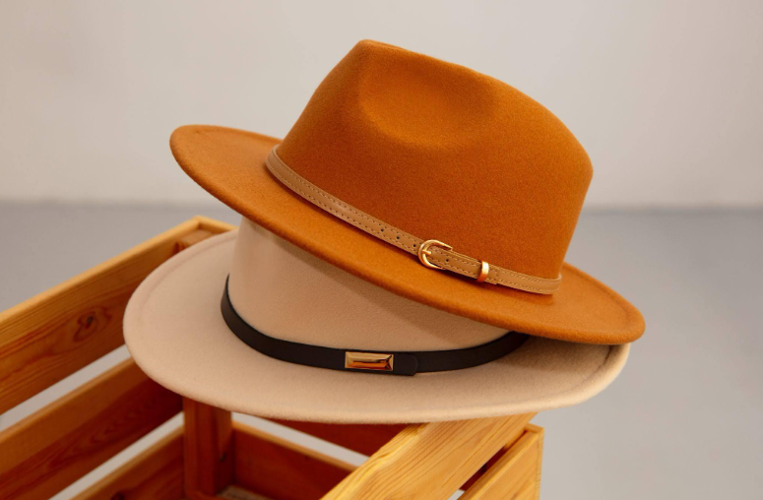
Felt hats and palm-straw hats are the classics for western and cowboy-themed hat bars, offering the structure and shapability that allow brim shaping, branding, and decorative trimming to all work together in a single finished piece.
Trucker hats serve a different segment of the market entirely, offering a fast, budget-friendly customization format that leans heavily on patch application and works well for casual, branded, or youth-oriented events.
Offering more than one hat type at a well-stocked hat bar dramatically broadens the customer base a boutique or event host can serve, because western hat enthusiasts and patch-loving trucker fans rarely overlap, but both are genuinely enthusiastic buyers.
What Customization Options to Offer
The accessory selection at a hat bar is what gives guests the sense of limitless creative possibility, even when the menu is intentionally curated.
Hat bands, leather trims, rope details, feathers, pins, patches, charms, and matchstick accents each add a distinct aesthetic dimension, and offering a range that spans western, bohemian, and bridal aesthetics means the hat bar can serve bachelorette parties, corporate retreats, and boutique walk-ins without changing a single base hat in the display.
On-site branding and burning is the customization element that consistently generates the strongest emotional response from guests, because it transforms a decorative accessory into something that feels genuinely permanent and personal.
Hosts who offer branding should ensure stylists are properly trained, work with appropriate tools and stands, practice on scrap material first, and keep the process visible to guests so the craftsmanship moment becomes part of the experience itself.
How to Structure the Hat Bar for Flow and Efficiency

A well-designed hat bar moves guests through the customization journey in a logical sequence that feels exploratory rather than rushed.
The typical flow begins with base hat selection, moves through accessory layering, and finishes with any shaping or branding that requires heat and tool work, with each stage creating a natural pause for the stylist to engage, advise, and keep the energy high.
Staffing is one of the most commonly underestimated logistical requirements of a successful hat bar, with experienced operators recommending approximately one stylist per ten to fifteen guests for brimmed hat formats, where the customization process typically takes between 45 and 60 minutes per piece.
Trucker hat setups using heat press patches move considerably faster, which makes them well-suited to larger group activations where throughput matters as much as the depth of the creative experience.
The Wholesale Program That Makes Hat Bar Stocking Risk-Free
One of the most significant barriers to entry for boutiques considering a hat bar program is the fear of dead inventory, specifically the concern that certain styles will not sell and the stock investment will not return.
American Hat Makers addresses this concern directly through an unconditional buyback program on unsold stock, which means operators can stock confidently knowing that pieces that do not move through the hat bar can be returned rather than written off.
The wholesale minimum is a low 12-hat order with open stock, meaning businesses can mix and match styles rather than committing to a single design in quantity, which is particularly valuable for boutiques that are still learning which hat types resonate most with their specific customer base.
Wholesale ordering is also available through Faire, with in-stock items shipping in under 72 hours, the fastest lead times in the hat industry, making restocking between events entirely manageable without requiring weeks of planning.
Hat Bars for Weddings and Corporate Events
The traveling hat bar format has become one of the top experiential trends at weddings and corporate brand activations, functioning simultaneously as entertainment and as a branded take-home favor that guests use and remember long after the event ends.
A custom-shaped and accessorized hat that a guest designed at a wedding carries a personal story in a way that a standard party favor simply cannot replicate, which is why the format generates such consistent enthusiasm from event clients and their guests alike.
Corporate events benefit from the hat bar in a different but equally powerful way, with the customization process creating a shared, collaborative activity that breaks down formality and generates genuine engagement among attendees.
Companies that want their event to leave a lasting brand impression find that a hat bar, particularly one that incorporates branded patches or custom branding iron designs, gives every guest a wearable reminder of the experience that travels well beyond the event venue.
Caring for a Custom Hat After the Bar
The experience does not end when the guest walks out with their hat, and boutiques that brief their customers on proper care create a better long-term impression of both the hat and the brand behind it.
Any branding or burning marks should be allowed to cool fully before the hat is stored; the brim should never be crushed flat, and the hat should ideally be kept on a hook or stored crown-down in a cool and dry environment to preserve its shape between wears.
Light steaming is the most effective method for refreshing the shape of a felt hat that has been compressed during travel or storage, though prolonged direct heat should always be avoided to protect the integrity of the materials.
Sharing this guidance with customers at the end of the hat bar session is a small touch that communicates genuine care for the product and consistently leaves a positive final impression.
A hat bar done well is one of the most powerful customer experience tools available to boutiques and event businesses today, generating strong margins, enthusiastic social sharing, and the kind of personal connection to a product that brings customers back.
The difference between a hat bar that builds a loyal following and one that disappoints on delivery comes down entirely to the quality of the hats, the depth of the accessory selection, and the expertise of the supplier relationship behind both.

(0) comments
We welcome your comments
Log In
Post a comment as Guest
Keep it Clean. Please avoid obscene, vulgar, lewd, racist or sexually-oriented language.
PLEASE TURN OFF YOUR CAPS LOCK.
Don't Threaten. Threats of harming another person will not be tolerated.
Be Truthful. Don't knowingly lie about anyone or anything.
Be Nice. No racism, sexism or any sort of -ism that is degrading to another person.
Be Proactive. Use the 'Report' link on each comment to let us know of abusive posts.
Share with Us. We'd love to hear eyewitness accounts, the history behind an article.