

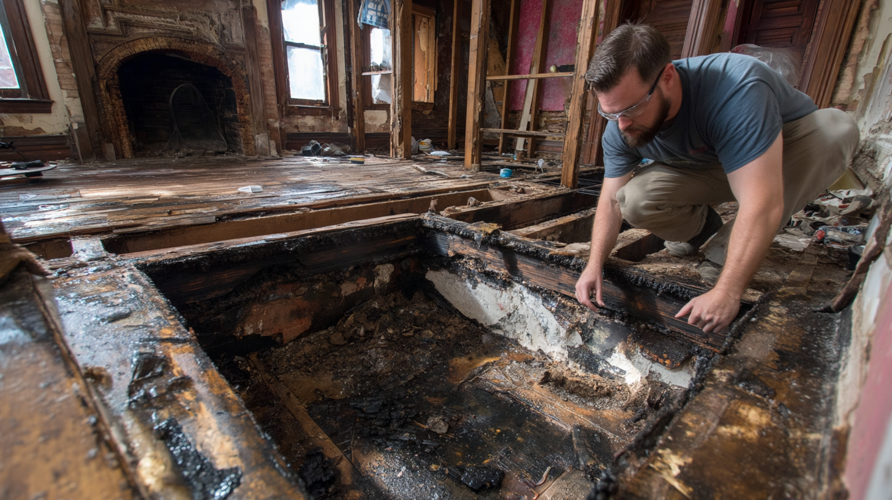
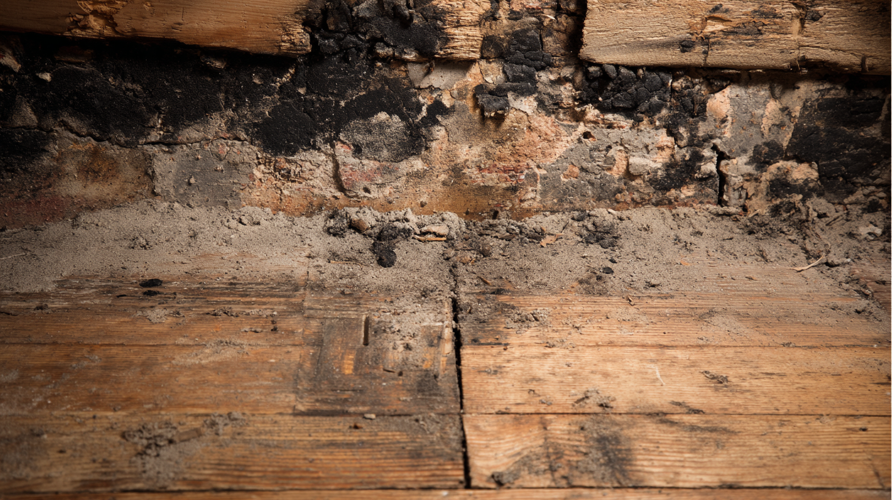

After a house fire, homeowners often hear unfamiliar terms from restoration contractors, insurance adjusters, inspectors, and repair professionals. One of those terms is “sealing.” If you are dealing with smoke damage, odor issues, soot staining, or damaged building materials, you may be wondering: what does sealing mean in a fire restoration?
In fire restoration, sealing usually refers to applying a specialized coating to cleaned, prepared surfaces after fire damage cleanup. These coatings are designed to help block lingering smoke odors, seal stains, and prevent smoke-related residue from affecting the restored space. However, sealing is not the same as simply painting over damage. It should be used as part of a larger restoration process that includes assessment, cleaning, drying, deodorization, and structural review when needed.
What Does Sealing Mean in a Fire Restoration?
Sealing in fire damage restoration means applying a smoke odor sealer, stain blocker, encapsulant, or restoration-grade coating to surfaces affected by fire, smoke, or soot. These products are often used on materials such as wood framing, drywall, ceilings, subfloors, concrete, and other porous surfaces that may hold smoke odor.
The goal is to create a barrier over properly cleaned surfaces. This helps prevent remaining odors or stains from bleeding through new drywall, paint, flooring, cabinets, or other finishes. In some cases, sealing also helps prepare the structure for rebuilding after damaged materials have been removed.
The key phrase is “properly cleaned surfaces.” Sealing should not be used to hide dirty, wet, unsafe, or structurally damaged materials. It is a restoration step, not a shortcut.
Why Sealing Is Used After a Fire
Fire damage is complex because smoke can travel far beyond the area where flames were visible. Smoke and soot can move through rooms, vents, wall cavities, insulation, framing, flooring, and porous surfaces. Even after visible damage is removed, odor can remain if affected materials are not treated correctly.
Sealing is commonly used to help:
- Lock in residual smoke odor
- Block stains from soot or smoke residue
- Prepare cleaned materials for reconstruction
- Improve the final result after restoration
- Reduce the risk of odors returning after repairs are finished
When used correctly, sealing can be an important part of restoring a home after fire damage. But it only works well when the right steps happen before it.

Where Sealing Fits in the Fire Restoration Process
Assessment and Safety Review
Before sealing is even considered, the fire-damaged area needs to be inspected. Professionals typically evaluate the extent of fire damage, smoke damage, soot contamination, water damage, structural concerns, and safety risks.
Some areas may be unsafe to enter after a fire. Floors, ceilings, walls, roof systems, and electrical systems can be weakened or compromised. If structural damage is suspected, sealing should wait until the home has been properly evaluated.
Soot and Debris Removal
The next step is removing loose debris, ash, soot, and damaged materials. This may include removing burned drywall, insulation, flooring, trim, cabinets, or other materials that cannot be restored.
Sealing over debris or heavy residue is not effective. If soot remains on a surface, the sealer may not bond properly. Odor can also continue to escape if the source has not been removed or reduced.
Cleaning and Deodorization
After debris removal, affected surfaces must be cleaned. Smoke residue can be oily, acidic, or deeply embedded, depending on the type of fire. A kitchen grease fire, electrical fire, wildfire smoke event, and structural fire may all leave different residues.
Cleaning helps remove the source of odor and contamination. Deodorization methods may also be used before sealing. The goal is to reduce smoke odor as much as possible before applying any coating.
Drying and Moisture Control
Water damage is common after a fire because firefighters may use large amounts of water to extinguish flames. That water can soak drywall, insulation, framing, flooring, and cabinets.
Surfaces must be dry before sealing. Applying a sealer over damp materials can trap moisture and lead to mold, adhesion failure, material breakdown, or future odor problems. Moisture readings may be needed to confirm that materials are ready.
Sealing and Rebuilding
Once the area has been assessed, cleaned, deodorized, and dried, the appropriate restoration sealer can be applied. After sealing, the rebuilding process may continue with drywall, insulation, flooring, paint, cabinetry, trim, or other repairs.
This is why sealing is typically a later-stage step. It helps prepare cleaned and stable surfaces for the next phase of restoration.
What Types of Surfaces May Be Sealed?
Wood Framing and Structural Members
Wood framing can absorb smoke odor, especially when walls or ceilings have been opened after a fire. If the framing is structurally sound and has been cleaned properly, it may be sealed before the wall is closed back up.
However, burned or weakened wood should not simply be sealed and covered. Damaged framing may need repair or replacement.
Drywall, Ceilings, and Wall Cavities
Some drywall can be cleaned and sealed, but heavily damaged drywall often needs to be removed. In areas where materials remain in place, sealing may help block stains and odors before repainting or finishing.
Wall cavities may also need attention if smoke entered hidden spaces. Restoration should address both visible and hidden damage.

Concrete, Subfloors, and Other Porous Materials
Concrete, subfloors, and other porous materials can hold smoke odor. After proper cleaning and drying, sealing may help prevent odor transfer into new flooring or finishes.
This is especially important when smoke damage is widespread or when odors remain after initial cleanup.
What Sealing Does Not Fix
It Does Not Replace Cleaning
Sealing is not a substitute for cleaning. Smoke residue, soot, ash, and contaminants should be removed first. If a surface is dirty, the sealer may not work correctly, and odors may return later.
It Does Not Repair Structural Damage
Sealing does not make burned or weakened materials safe. If framing, roof systems, floors, walls, or connections were damaged by fire or heat, those issues need proper repair. A coating cannot restore structural strength.
Before rebuilding over fire-damaged areas, homeowners should consult with professionals like Golden State Design and Engineering to evaluate structural conditions, code requirements, and repair planning.
It Does Not Solve Moisture Problems
If water damage is present, it must be addressed before sealing. Sealing over moisture can create long-term problems behind walls, under floors, or inside structural materials.
Drying and moisture control are essential parts of the restoration process.
Why Fire Restoration Should Be Handled Carefully
Smoke odor can return if the restoration process is rushed. If damaged materials are left in place, if surfaces are not cleaned, or if moisture is trapped, sealing may only provide temporary improvement.
Different fires also require different approaches. A small contained fire may need limited cleaning and sealing, while a major structural fire may require demolition, drying, framing repairs, odor treatment, and full reconstruction.
For homeowners dealing with smoke damage, odor issues, or structural cleanup after a fire, Golden Coast Construction & Fire Restoration helps explain how sealing fits into the broader restoration and repair process.

Common Mistakes Homeowners Should Avoid
One common mistake is assuming sealing should happen first. In reality, sealing should usually come after cleaning, drying, and odor treatment.
Another mistake is using regular paint instead of a restoration-grade sealer. Standard paint may cover discoloration temporarily, but it may not properly block smoke odor or stains. The right product depends on the material, fire type, and severity of damage.
Homeowners should also avoid sealing materials that should be removed. If drywall, insulation, flooring, or framing is too damaged, sealing will not solve the problem. Covering compromised materials can lead to future odor, safety, or repair issues.
Questions to Ask Before Sealing Begins
Before a contractor begins sealing, homeowners should ask a few important questions:
- Has the affected area been fully cleaned?
- Has soot, ash, and smoke residue been removed?
- Has moisture from firefighting water been addressed?
- Were moisture readings taken?
- What type of sealer will be used?
- Is the product designed for smoke odor or fire restoration?
- Which materials will be sealed?
- Which materials need to be removed or replaced?
- Is any structural evaluation needed before rebuilding?
These questions help clarify whether sealing is being used correctly as part of a complete restoration process.
So, what does sealing mean in a fire restoration? It means applying a specialized smoke odor sealer, encapsulant, or restoration coating to cleaned and prepared surfaces after fire damage. Sealing can help block lingering odors, prevent stains from bleeding through, and prepare the space for rebuilding or refinishing.
However, sealing is not a shortcut. It should not replace soot removal, cleaning, deodorization, drying, moisture control, or structural repair. When used at the right stage, with the right product, and after proper preparation, sealing can play an important role in restoring a fire-damaged home and helping the finished space feel clean, safe, and livable again.


(0) comments
We welcome your comments
Log In
Post a comment as Guest
Keep it Clean. Please avoid obscene, vulgar, lewd, racist or sexually-oriented language.
PLEASE TURN OFF YOUR CAPS LOCK.
Don't Threaten. Threats of harming another person will not be tolerated.
Be Truthful. Don't knowingly lie about anyone or anything.
Be Nice. No racism, sexism or any sort of -ism that is degrading to another person.
Be Proactive. Use the 'Report' link on each comment to let us know of abusive posts.
Share with Us. We'd love to hear eyewitness accounts, the history behind an article.