
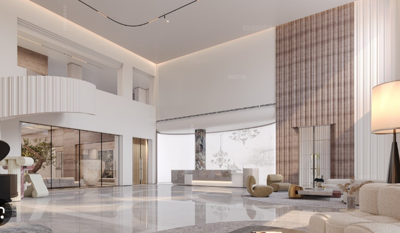

A category that lives at the intersection of high-end real estate, wellness, and healthcare — and is reshaping how the upper end of treatment looks and feels.
Where Luxury Real Estate Meets Clinical Care
Drive past one of these homes and you’d never know what happens inside. A custom Spanish-style estate above the Pacific. A mid-century tucked into the Hollywood Hills. A contemporary glass box on five wooded acres in Connecticut. They photograph like the rest of the listings in this magazine — but each is operating as a licensed addiction treatment facility, often serving six to ten residents at a time.
It’s a category that has grown quietly over the past decade. As high-net-worth families have looked for alternatives to clinical-feeling rehab campuses, a wave of operators have built out residential treatment in environments that look and feel nothing like a hospital. The result is a hybrid market: real estate, hospitality, and healthcare braided together.
What “Luxury Residential Recovery” Actually Means
The category covers licensed facilities — typically residential or partial hospitalization level — operating out of estate-style homes rather than institutional campuses. Bed counts tend to fall between six and sixteen. Stays run from a few weeks to several months. Clinical care is delivered by licensed clinicians on staff or visiting, and the homes themselves are usually accredited by either the Joint Commission or CARF.
The “luxury” part isn’t only about finishes. It’s about staffing ratios, privacy, dietary care, and the kind of programming that makes the experience feel closer to a wellness retreat than a hospital stay. Many homes blend clinical work with movement, nutrition, equine therapy, and time outdoors.
Why the Category Exists
Most of the demand traces back to two things: privacy and environment.
Privacy is the obvious one. For executives, public figures, and the families behind them, anonymity is non-negotiable. A six-bed home in a residential neighborhood draws far less attention than a campus with signage and a parking lot.
Environment matters too. Recovery is sustained partly through what people experience day-to-day during early sobriety — quiet, light, beauty, and a degree of normalcy. A home that looks like the homes residents grew up in (or aspire to) lowers the friction of treatment in a way fluorescent-lit facilities rarely do.
That doesn’t mean clinical depth is sacrificed. The strongest operators in this category staff at ratios closer to one clinician per two or three residents and design schedules with the same rigor a top campus would.
The Design Language
What separates these properties from a typical luxury home isn’t aesthetics — it’s how design supports function. A few recurring choices stand out.
Natural light and biophilic design. Floor-to-ceiling windows, courtyards, garden views from every common room. Light is one of the most studied environmental factors in mood regulation, and the best-designed homes in this category lean into it.
Acoustic privacy. Bedroom layouts are reworked so residents can take therapy calls, meditate, or sleep without disturbance. Walls are often re-insulated. Doors get heavier.
Spaces for different kinds of work. A great room for community meals. A quieter den for one-on-one therapy. A garden or pool deck for movement. The flow matters: spaces that signal different modes of the day without feeling like rooms in a clinic.
Material warmth. Wood, stone, plaster, soft textiles. Materials that look and feel residential push the brain away from “I am in a facility” — and that subtle shift compounds over a stay.
The most successful properties read as homes first and facilities second. Residents and their families notice immediately.
The Operator Side
Behind every one of these homes is a small, complicated business. Licensing comes from state behavioral-health authorities. Accreditation is voluntary but expected at the top of the market. Staffing — medical directors, primary therapists, case managers, recovery support — is the largest single cost. The home itself is treated as a working asset: maintenance, security, food service, and grounds all run on hospitality timelines, not residential ones.
The operators who do this well treat the property and the program as one product. The home is part of the clinical experience, not a backdrop to it.
Differentiation is the other variable. A facility that does everything right clinically still needs to reach the right families — many of whom begin their search through national resources like SAMHSA’s treatment locator before narrowing down by region and approach. The most consistent operators invest seriously in their digital presence: the website, the way they explain levels of care, the photography of the home, the case studies of how families found them. Industry references like boardsofgrowth.com have become a small but real part of how operators in this space build the kind of online presence the market expects. For families researching options, the quality of a center’s site is now an early trust signal.
What This Means for the Broader Luxury Wellness Market
The line between hospitality, wellness, and healthcare keeps thinning. Destination spas added clinical services. Longevity clinics started looking more like five-star hotels. And now licensed treatment is moving into homes that look indistinguishable from the rest of a luxury market.
For readers who follow luxury real estate, it’s worth knowing this is a real corner of the market — one with its own design language, its own buyers, and a quietly growing footprint in the cities and resort towns most of us already know.
(0) comments
We welcome your comments
Log In
Post a comment as Guest
Keep it Clean. Please avoid obscene, vulgar, lewd, racist or sexually-oriented language.
PLEASE TURN OFF YOUR CAPS LOCK.
Don't Threaten. Threats of harming another person will not be tolerated.
Be Truthful. Don't knowingly lie about anyone or anything.
Be Nice. No racism, sexism or any sort of -ism that is degrading to another person.
Be Proactive. Use the 'Report' link on each comment to let us know of abusive posts.
Share with Us. We'd love to hear eyewitness accounts, the history behind an article.