
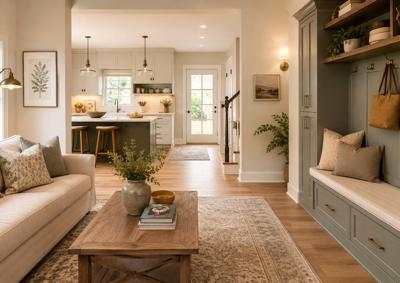

A home does not always need a full renovation to feel dramatically better. Sometimes the most satisfying improvements are smaller, smarter, and far less likely to make you question every decision that led to owning a house.
That is where small remodeling projects can be surprisingly powerful. A better lighting plan, refreshed paint, updated hardware, improved storage, a cleaner entry, or a more functional kitchen corner can change how a home feels every day without requiring months of dust, delays, and conversations about structural surprises.
The best small remodels are not random upgrades. They solve real problems. They make rooms easier to use, more comfortable to live in, and more polished to look at. Done well, they can deliver the feeling of a larger renovation without the full renovation price tag.
For readers who want to make thoughtful improvements without overspending, FINE’s guide to luxury living for less with special offers offers a broader look at smart upgrades, better timing, and polished choices that make everyday life feel more elevated.
Start With the Rooms That Annoy You Most
Before choosing a project, pay attention to the parts of the home that frustrate you daily. Maybe the entry is always cluttered. Maybe the kitchen lighting is terrible. Maybe the bathroom feels dated, the laundry room has no storage, or the living room layout never quite works.
The best remodeling project is often the one that removes a daily irritation. A beautiful upgrade is lovely, but a beautiful upgrade that also fixes a problem is better. That is how a small project earns its place.
For homeowners who want to improve the house without overbuilding, FINE’s guide to simple home upgrades that add everyday value is a useful companion because practical changes often make the biggest difference.
Refresh Paint Where It Matters Most
Paint remains one of the most effective small remodeling projects because it changes a room quickly. A warmer white, soft neutral, moody powder room color, refreshed trim, or updated cabinet paint can make a space feel cleaner, newer, and more intentional.
The trick is choosing paint with the room in mind. Natural light, flooring, countertops, furniture, and nearby rooms all influence how a color appears. A shade that looked perfect online can become strangely purple, gray, yellow, or dramatic once it meets your actual walls. Paint likes to have opinions.
When painting indoors, ventilation and product choice matter. The U.S. Environmental Protection Agency notes that volatile organic compounds can be emitted by products such as paints and solvents, and that levels of some organics can be higher indoors than outdoors. Low-VOC paint, open windows, fans, and proper drying time can make the project more comfortable.
Update Lighting Before Replacing Furniture
Lighting can make a room look expensive, flat, cozy, harsh, elegant, or vaguely like a conference room. Before replacing furniture, consider whether the lighting is the real problem.
Layered lighting is usually the answer. Use a mix of overhead fixtures, table lamps, floor lamps, sconces, under-cabinet lighting, and dimmers so a room can shift from practical to relaxed. Kitchens need task lighting. Bedrooms need softness. Hallways need visibility. Living rooms need more than one lonely ceiling fixture trying its best.
The U.S. Department of Energy says residential LEDs, especially ENERGY STAR rated products, use at least 75 percent less energy and last up to 25 times longer than incandescent lighting. For a design-focused look at lighting, FINE’s article on how smart fixtures elevate home interiors connects lighting choices with layout, mood, and everyday function.
Make the Entry More Useful
The entry is one of the hardest-working areas of the home, even when it is tiny. It handles shoes, bags, keys, mail, packages, dog leashes, umbrellas, and guests who arrive while everyone is still pretending the house always looks this calm.
A small entry remodel can include hooks, a bench, closed shoe storage, better lighting, a mirror, a durable rug, fresh paint, upgraded door hardware, or a slim console. None of these changes has to be elaborate, but together they can make coming and going feel less chaotic.
For a more polished look, choose storage that hides the mess rather than simply organizing it in public. Open baskets can be charming until they become small museums of mismatched shoes.
Improve the Kitchen Without Remodeling the Whole Kitchen
A full kitchen remodel is wonderful when it is needed, but not every kitchen requires one. Smaller kitchen updates can still make the room feel fresher and more functional.
Consider replacing cabinet hardware, adding under-cabinet lighting, painting cabinets, upgrading the faucet, changing the backsplash, adding drawer organizers, improving pantry storage, or replacing one tired appliance. These are manageable changes that can make daily cooking and cleanup easier.
For kitchens that need a deeper plan, FINE’s guide to kitchen remodeling ideas that make everyday living feel easier walks through layout, storage, lighting, surfaces, ventilation, and appliance decisions in more detail.
Give the Bathroom a Clean Refresh
Bathrooms can benefit enormously from small remodeling projects because every detail is close together. A dated light fixture, worn mirror, tired vanity, old faucet, or dingy grout can make the entire room feel older than it is.
Small bathroom updates might include a new mirror, improved lighting, fresh paint, a better vanity, upgraded hardware, new towel bars, re-caulked edges, grout cleaning, or a modern showerhead. If the layout works, a full gut renovation may not be necessary.
The best bathroom refreshes prioritize cleanliness, light, storage, and comfort. A bathroom does not need to become a spa, but it also should not feel like the place design went to give up.
Add Built-In or Better-Planned Storage
Storage is one of the least glamorous upgrades until you experience good storage. Then it becomes difficult to understand how everyone survived before it.
Built-in shelves, mudroom cabinets, pantry pullouts, laundry room storage, closet systems, window seats with hidden compartments, and media walls can make a home feel more organized and more custom. Even smaller additions, such as drawer inserts, wall hooks, pullout trays, and closed cabinets, can improve the way a room works.
The important part is designing storage around real habits. If backpacks land by the door every day, build storage there. If small appliances crowd the counters, create a place for them. If toys migrate through the living room, pretending they will stay in one basket forever may be optimistic.
Replace Hardware and Fixtures
Hardware is a small detail with a large visual effect. Cabinet pulls, door handles, towel hooks, faucets, curtain rods, and light switch plates are touched and seen constantly, which makes them ideal candidates for a small remodel.
Aged brass, polished nickel, matte black, bronze, chrome, and satin nickel can all look beautiful when used intentionally. The key is consistency. Not every finish has to match perfectly, but the choices should feel related. A home should not look like each room ordered hardware from a different decade without consulting the others.
Update Flooring in High-Impact Areas
Flooring can be a larger investment, but it does not always have to involve the entire house. Updating one high-impact area, such as an entry, powder room, laundry room, hallway, or kitchen, can change the feel of the home quickly.
Durable materials matter. Porcelain tile, luxury vinyl, engineered wood, natural stone, and performance flooring can all work depending on the room. Consider moisture, foot traffic, pets, cleaning, comfort, and how the floor transitions into nearby spaces.
For rooms where flooring is already in good shape, a properly sized rug can still make a major difference. FINE’s article on what rugs contribute to style and texture in modern interiors explains how rugs can add warmth, softness, texture, and visual structure without changing the floor itself.
Make Window Treatments Work Harder
Window treatments can improve privacy, comfort, light control, and the finished look of a room. Bare windows can be beautiful in the right architecture, but in many homes they simply make the space feel unfinished.
Roman shades, woven shades, blackout curtains, shutters, sheers, and tailored draperies all offer different benefits. Bedrooms may need darkness. Living rooms may need softness. Offices may need glare control. Street-facing rooms may need privacy that does not make the home feel sealed off from daylight.
The U.S. Department of Energy notes that window coverings can help provide comfort, regulate temperatures, and lower energy bills depending on type, climate, season, and use. That makes them a practical design upgrade, not just a decorative one.
Turn a Laundry Room Into a Room That Works
Laundry rooms often suffer from being purely functional, which is unfair considering how often they are used. A small laundry remodel can make the space more pleasant and efficient without requiring much square footage.
Add shelves, cabinets, a folding counter, better lighting, hooks, a hanging rod, a utility sink if space allows, or a more durable floor. Even paint and organized storage can make the room feel less like a chore closet and more like part of the home.
The goal is not to make laundry glamorous. That may be asking too much. The goal is to make it less irritating, which is a noble design mission.
Improve Outdoor Living in One Area
Outdoor projects can also qualify as small remodeling projects when they improve how the home is used. A better patio surface, upgraded lighting, a defined seating area, shade, planters, a small deck refresh, or an outdoor dining zone can make the home feel larger.
Start with one area rather than trying to transform the entire yard. A shaded coffee spot, a clean grilling area, or a comfortable evening seating zone can deliver more everyday enjoyment than an overcomplicated backyard plan that never gets finished.
Know When a Small Project Needs a Professional
Small does not always mean simple. Electrical work, plumbing changes, structural modifications, gas lines, exterior drainage, and anything involving permits should be handled carefully and, when needed, professionally.
Before starting, check local requirements, understand the scope, and be realistic about skill level. Painting a powder room is one thing. Moving plumbing because a social media video made it look easy is another. The house will know the difference.
Small Remodeling Projects Checklist
- Refresh paint in high-impact rooms.
- Add layered lighting and dimmers.
- Upgrade the entry with storage, lighting, and durable finishes.
- Improve kitchen function with hardware, lighting, storage, or a backsplash.
- Update bathroom mirrors, lighting, faucets, grout, or vanities.
- Add built-ins or better-planned storage.
- Replace dated hardware and fixtures.
- Update flooring in one high-impact area.
- Add window treatments for light control and privacy.
- Make laundry rooms, closets, and outdoor areas more useful.
The Bottom Line on Small Remodeling Projects
Small remodeling projects can make a home feel noticeably better without the cost, disruption, or decision fatigue of a major renovation. The key is choosing projects that solve real problems and improve the way the home functions every day.
Start with the rooms that frustrate you most, then focus on lighting, storage, paint, hardware, flooring, and layout. When those details improve, the whole home feels more polished, more comfortable, and far easier to live in. That is a big difference, even when the project itself is small.

(0) comments
We welcome your comments
Log In
Post a comment as Guest
Keep it Clean. Please avoid obscene, vulgar, lewd, racist or sexually-oriented language.
PLEASE TURN OFF YOUR CAPS LOCK.
Don't Threaten. Threats of harming another person will not be tolerated.
Be Truthful. Don't knowingly lie about anyone or anything.
Be Nice. No racism, sexism or any sort of -ism that is degrading to another person.
Be Proactive. Use the 'Report' link on each comment to let us know of abusive posts.
Share with Us. We'd love to hear eyewitness accounts, the history behind an article.