
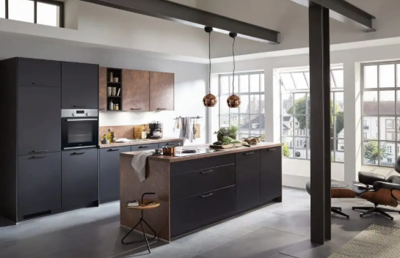

A kitchen remodel is one of the most exciting home projects you can take on. It is easy to get caught up picking out cabinet colors, finding the perfect backsplash, and selecting countertop materials right away. But before you look at the fun decorative details, you need a solid plan for how the room actually functions. Moving plumbing or electrical lines later in the process is costly and frustrating, which is why getting the layout right from day one is critical.
A well-planned layout paired with the right appliances will make cooking, cleaning, and moving around the space much easier. Whether you are starting from scratch in a new build or gutting an older home, understanding the relationship between your work zones and your major appliances is the key to a successful design. This guide will walk you through the essential steps to plan a kitchen that looks great and works perfectly for your daily life.
Understanding Your Kitchen Workflow
For decades, designers relied on the traditional kitchen work triangle. This concept connects the sink, the refrigerator, and the primary cooking area. The main goal is to keep the path between these three vital spots clear of traffic. A good rule of thumb is to keep the distance between each point no less than four feet and no more than nine feet. This keeps everything within easy reach without making the room feel cramped.
Today, many families think in terms of work zones instead of a strict triangle. Because modern kitchens often have multiple cooks or serve as a gathering space for guests, zoning out tasks is very practical. You might want a prep zone near the sink with a built-in cutting board, a cooking zone near your pots and spices, and a dedicated cleaning zone centered around the dishwasher and trash pull-outs. Think about how you and your household use the kitchen on a daily basis to figure out which layout approach makes the most sense for your lifestyle.
Choosing Your Layout Shape
The footprint and architectural features of your room will almost always dictate your layout options. A galley kitchen works best in narrow spaces, putting cabinets and appliances on two parallel walls. This setup is highly efficient for a single cook because everything is just a pivot away. To keep a galley layout from feeling dark, try focusing your tall pantry cabinets on one end and keeping the space around the sink open.
L-shaped kitchens are incredibly popular because they open up the room and usually allow enough floor space to add a central island. This shape naturally pushes the work zones into a corner, freeing up the rest of the room for dining or socializing. If you have a larger square footprint, a U-shaped layout gives you maximum counter space and storage on three walls.
When planning any of these shapes, make sure you measure your clearance spaces carefully. You want at least 42 inches of walking space between opposite counters, or up to 48 inches if multiple people regularly cook together. This gives you enough room to open appliance doors and walk past them without squeezing.
Prioritizing Your Main Cooking Zone
Once you pick a basic layout, it is time to look at appliances. Your primary cooking appliance sits at the heart of your kitchen, so it requires careful thought. This decision dictates where your heavy electrical lines or gas pipes need to run. Whether you prefer the immediate heat control of open gas flames or the sleek, easy-to-clean surface of an induction model, your choice heavily influences the surrounding cabinet design and your ventilation needs.
You need to decide early on if a separate cooktop and built-in wall oven combination works better for your baking habits. This separates the zones, allowing one person to bake while another boils water on the counter. On the other hand, a traditional freestanding or slide-in stove often makes more sense for keeping all your cooking tasks in one central location while preserving valuable wall space for extra cabinets. Getting this central piece right sets the tone for your entire meal prep routine.
Do not forget about proper ventilation in this zone. A high-quality range hood removes odors, grease, and smoke from the air, protecting your cabinets from grime. Make sure the hood extends slightly past the cooking surface to catch everything effectively.
Selecting the Right Refrigerator and Dishwasher
Next, move on to your cooling and cleaning appliances. Your refrigerator is almost always the largest single item in the room. A counter-depth fridge is an excellent trick to make a smaller kitchen look bigger because it sits nearly flush with the base cabinets rather than sticking out into the walking path. Always consider the door swing when placing your fridge. You need a landing area, which is a section of empty counter space right next to or across from the fridge, to easily set down groceries or heavy items.
For dishwashers, think about strategic placement just as much as internal features. Placing the dishwasher directly next to the sink cuts down on dripping water across the floor when loading dirty plates. If you are right-handed, placing it on the left side of the sink often feels most natural, though either side works fine. You also want to check that the dishwasher door does not block adjacent cabinets or stop someone from standing at the sink when the door is fully pulled down.
Planning for Lighting and Electrical Needs
Lighting is a structural element that you need to plan alongside your appliances and cabinets. A single ceiling fixture is never enough for a functional kitchen. You need layered lighting to make the space workable and inviting. Start with ambient lighting, like recessed ceiling lights, to brighten the whole room evenly.
Next, add task lighting. Under-cabinet lighting is arguably the most important feature you can add to your prep zones. It shines directly onto the countertops, removing shadows cast by your body or the upper cabinets while you chop vegetables or read recipes. Finally, plan your electrical outlets. Building codes require outlets every few feet along a counter, but think about where you specifically want to plug in your coffee maker, stand mixer, or slow cooker. Adding outlets to the end of a kitchen island is also incredibly helpful for everyday tasks.
Focusing on Storage and Cabinetry Needs
Appliances dictate where your large cabinets go, but how you design the inside of those cabinets determines how tidy your counters will stay. Opting for deep drawers in your lower cabinets is usually much easier to use than traditional doors with fixed shelves. Drawers allow you to pull the storage out to you, letting you see all your heavy pots, pans, and mixing bowls at a glance without bending down and digging in the dark.
If you have the space, a dedicated pantry is highly recommended. Whether it is a walk-in closet style or a tall pull-out cabinet, keeping all your dry goods in one centralized zone frees up space near the cooking area for your spatulas and spices. For small appliances like blenders and toasters, consider adding an appliance garage at counter level. This type of hidden storage keeps your daily tools plugged in and ready to use, but neatly out of sight behind a closed door when guests come over.
Bringing It All Together for Daily Living
Building a kitchen you love comes down to matching how the room functions with how you actually live and work in the space. Spend plenty of time measuring your room, mapping out your daily routines, and picking reliable appliances that support your personal cooking style. A visually beautiful kitchen is wonderful, but a kitchen that flows perfectly during your busy morning coffee rush and evening dinner prep is the ultimate goal.
Take your time visiting showrooms, taping out layouts on your floor, and making lists of your specific needs before you order a single cabinet. Careful planning on the front end results in a smooth renovation process and a finished room that serves your household well for years to come.
FAQ About Designing Your Dream Kitchen
What is the most functional kitchen layout?
The most functional layout depends on your room size and lifestyle. The L-shape with an island is widely considered the most versatile because it offers open traffic flow and plenty of prep space. Galley layouts are highly efficient for narrow spaces and solo cooks who want everything within a quick turn.
How do I choose the right size appliances?
Always start by measuring the exact dimensions of your appliance cutouts, including height, width, and depth. Remember to account for doors swinging open and required ventilation gaps behind the units. Bringing your floor plan and measurements to the appliance store will help you avoid ordering items that do not fit.
Can I put a refrigerator next to an oven?
It is generally best to separate your cooling and heating appliances to maintain efficiency. If they must sit next to each other due to space limits, you need to check the manufacturer guidelines for proper insulation and spacing. This prevents the heat of the oven from forcing your fridge to work harder than necessary.
Should all kitchen appliances be the same brand?
You do not need to buy all your appliances from the exact same brand. Many designers prefer to mix and match to get the best specific features for a fridge, oven, or dishwasher. Sticking to the same general finish, like all stainless steel or all matte white, is usually enough to keep the room looking visually unified.
How wide should the walkway be around a kitchen island?
You should aim for a minimum of 42 inches of clearance between the island and the surrounding cabinets or walls. If multiple people regularly cook in the kitchen at the same time, increasing that walkway to 48 inches will prevent bumping into each other when opening appliance doors.

(0) comments
We welcome your comments
Log In
Post a comment as Guest
Keep it Clean. Please avoid obscene, vulgar, lewd, racist or sexually-oriented language.
PLEASE TURN OFF YOUR CAPS LOCK.
Don't Threaten. Threats of harming another person will not be tolerated.
Be Truthful. Don't knowingly lie about anyone or anything.
Be Nice. No racism, sexism or any sort of -ism that is degrading to another person.
Be Proactive. Use the 'Report' link on each comment to let us know of abusive posts.
Share with Us. We'd love to hear eyewitness accounts, the history behind an article.