
Designing a private backyard retreat provides a personal escape from daily stressors. Creating a space that offers total solitude requires careful coordination of materials, layout, and boundaries.
Property owners can establish a secluded sanctuary that serves as a functional extension of their living area for years by prioritizing durability and smart design. Balancing natural elements with structural features ensures the area remains comfortable throughout changing seasons.

Establish Clear Boundaries For Ultimate Solitude
Seclusion begins at your property line. You can hire a dependable local fence company Central Florida trusts to install sturdy PVC or aluminum boundaries that withstand harsh weather elements. These structures block local street noise while keeping your private activities shielded from neighboring eyes.
Choosing premium perimeter materials early saves money on long-term upkeep and prevents premature rotting. Solid barriers also create a clean backdrop for your plants and furniture. This initial investment establishes the security necessary to enjoy your yard without feeling exposed.
Design With An Architecture First Mindset
Modern outdoor design treats the yard as a direct extension of your indoor floor plan. A recent report highlights that current exterior layout trends lean heavily toward an architecture-first mindset. This means structural lines, material choices, and color palettes should always mimic the main house.
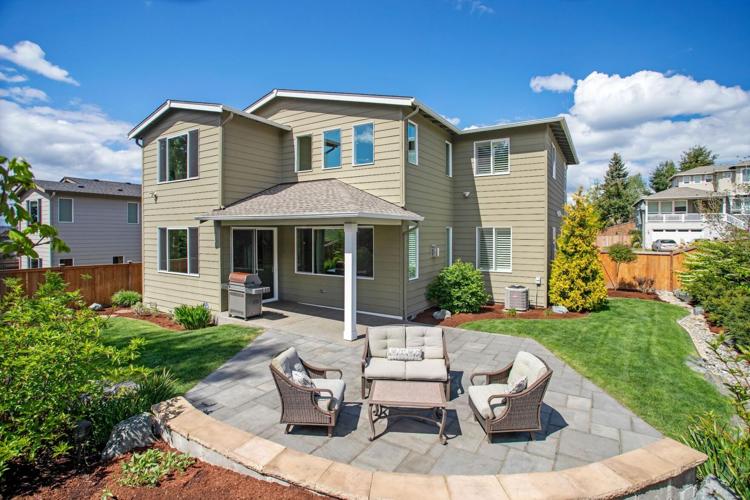
Matching your patio stones with your interior flooring materials creates a seamless visual transition between indoor and outdoor spaces. This design approach transforms a simple backyard into a cohesive extension of the home, making the entire property feel more intentional and refined. Coordinating elements such as paint colors, trim details, or exposed structural beams can further strengthen the connection between interior and exterior design, resulting in a unified and sophisticated aesthetic.
Adopt Smart Zoning Techniques
Large open spaces often feel exposed and underutilized. Industry experts note that zoning has become one of the biggest layout trends for maximizing utility. Dividing your yard into specific functional quadrants allows you to separate active cooking zones from quiet relaxation corners.
You can use low planters, distinct paving patterns, or small steps to transition between different areas. This structural separation makes a compact yard feel expansive. It gives every family member a dedicated place to unwind without crowding the lawn.
Prioritize Functional Layouts
Every square foot of your outdoor area should serve a specific purpose. Current industry insights reveal that modern spaces are more functional, intentional, and personal than ever before. Avoid cluttering the yard with unnecessary features that require high maintenance.
Focus on how you actually spend your weekends, whether that involves hosting dinners or reading under an umbrella. Designing around real lifestyle habits prevents wasted space. It keeps the environment orderly and reduces the time you spend cleaning up.
Create Seamless Indoor-Outdoor Transitions
The connection between your back door and the patio determines how often you actually utilize the space. Data from exterior remodeling reports shows that 78% of industry experts consider seamless indoor-outdoor transitions the single biggest movement in modern design. Installing wide sliding glass doors or flush thresholds removes physical barriers.
This layout trick fools the eye into thinking your living room extends straight into the lawn. It makes your entire home feel much larger during social gatherings. Smooth transitions also encourage children and pets to utilize the yard safely.
Choose Long-Lasting All-Weather Materials
Longevity depends entirely on the substances you select for construction. Hardwoods, composite decking, and natural stone withstand intense sun and heavy rain without losing structural integrity. Industry reports indicate that current outdoor design focuses heavily on choices that balance comfort, durability, and flexibility.
Investing in weather-resistant building components means your sanctuary remains operational through every season. High-quality materials resist fading, cracking, and moisture accumulation over many years. This reduces the need for annual staining, painting, or sanding.
Select Durable High-Performance Furnishings
- Woven synthetic wicker resists splitting under intense UV exposure.
- Solution-dyed acrylic fabrics prevent fading from sun bleaching.
- Powder-coated aluminum frames avoid rust issues during rainy seasons.
View The Backyard As A Year-Round Investment
Utilizing your exterior property should not be restricted to specific summer months. Market studies emphasize that outdoor living is no longer treated as a seasonal afterthought by homeowners. Integrating permanent heating elements, overhead pergolas, and proper lighting allows you to enjoy the area regardless of the calendar date.
Treating the project as a permanent home addition increases overall property value and everyday usability. It changes how you view your entire property layout. You gain usable square footage without the high cost of home extensions.
Add Year-Round Comfort Elements
- Concrete fire tables provide warmth during chilly evenings.
- Built-in ceiling fans keep air moving throughout humid summer afternoons.
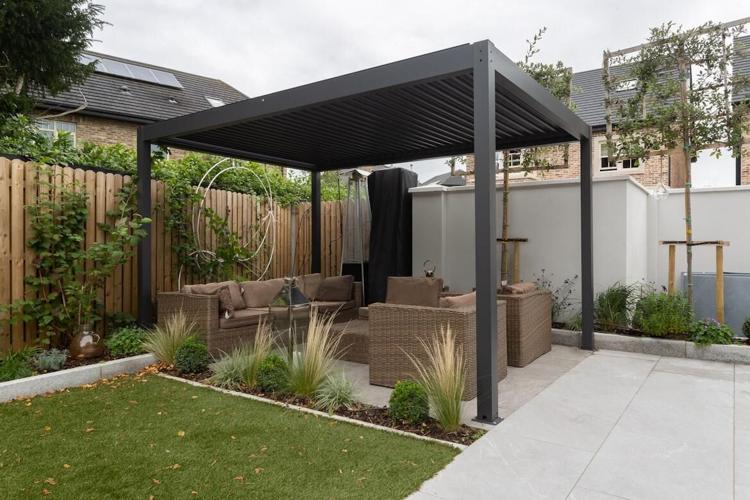
- Automated louvered roofs protect seating areas from sudden downpours.
Incorporate Softscape For Natural Privacy Screens
Hard structures work best when paired with strategic greenery. Layering tall bamboo, thick clumping palms, or evergreen shrubs along your perimeter softens sharp structural lines. Plants also absorb ambient sound, creating a much quieter environment for conversation.
Choosing native species reduces water consumption and ensures the plants thrive without constant chemical treatments. Fast-growing hedges offer a living green wall that enhances biodiversity. This strategy adds organic texture while boosting your overall privacy.
Install Ambient Lighting For Evening Security
A well-lit yard extends usability past sunset and adds an extra layer of property protection. Low-voltage LED lighting tucked into pathways, steps, and tree crowns creates a warm atmosphere. Avoid bright floodlights that disrupt the peaceful mood or disturb nearby neighbors.
Uplighting focal points like stone walls or unique trees adds depth to the darkness. It makes the boundaries of your retreat feel expansive even at night. Solar-powered path lights offer an energy-efficient way to guide guests safely around the property.
Establish Decorative Focal Points With Water Features
Water elements bring a sense of movement and acoustic masking to your secluded yard. Installing a simple stone fountain or a sleek cascading water wall helps drown out disruptive traffic sounds from nearby roads. The repetitive sound of moving water creates a soothing environment that isolates your seating area from the outside world.
These features also serve as beautiful visual centerpieces that draw attention away from the property boundaries. Positioning a water basin near your primary seating area maximizes its acoustic benefits. You can select self-contained kits that require minimal plumbing work or electrical connection hassle during installation.

Building a lasting sanctuary requires a balance of strong perimeter structures, weather-resistant materials, and intentional zoning. By treating the yard as a true extension of your interior floor plan, you create a private retreat that stands up to time and weather. Smart planning turns an ordinary lawn into a peaceful escape.

(0) comments
We welcome your comments
Log In
Post a comment as Guest
Keep it Clean. Please avoid obscene, vulgar, lewd, racist or sexually-oriented language.
PLEASE TURN OFF YOUR CAPS LOCK.
Don't Threaten. Threats of harming another person will not be tolerated.
Be Truthful. Don't knowingly lie about anyone or anything.
Be Nice. No racism, sexism or any sort of -ism that is degrading to another person.
Be Proactive. Use the 'Report' link on each comment to let us know of abusive posts.
Share with Us. We'd love to hear eyewitness accounts, the history behind an article.