
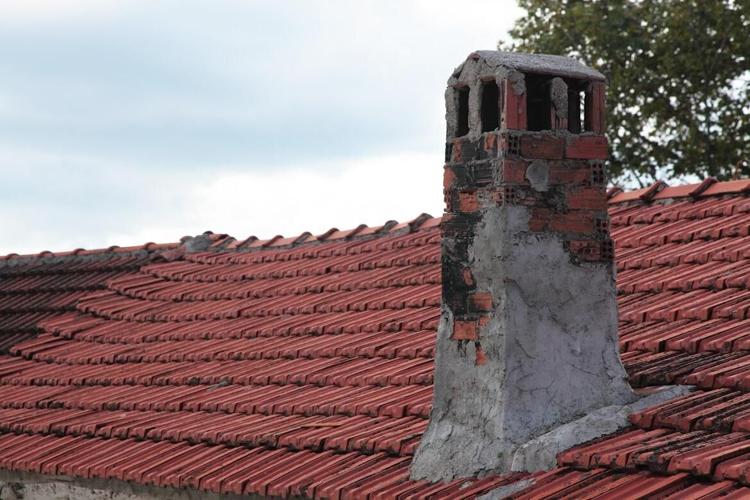
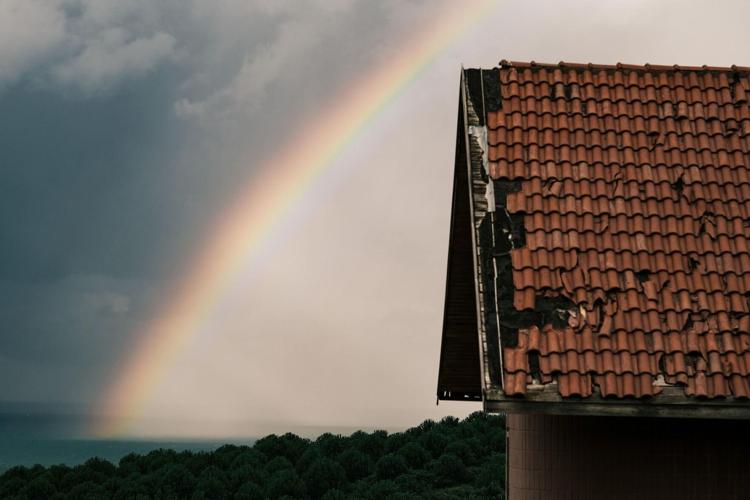
The structure above your head does a lot of heavy lifting every single day. It shields you from harsh weather, keeps your family warm, and maintains the structural integrity of your entire property. Most people never think about their roof until water starts dripping onto the living room rug.
Waiting for an obvious disaster is one of the biggest mistakes a property owner can make. Small vulnerabilities quickly turn into massive headaches if left unchecked. Taking care of your property means staying ahead of these issues before they compromise your living space and your wallet.

The Financial Reality of Delayed Action
Ignoring a minor leak might seem like a way to save money this month, but the long-term math tells a completely different story. Small structural flaws have a habit of growing silently over time.
A recent publication highlighted that nationwide roof repair and replacement expenses skyrocketed to nearly $31 billion, representing a massive 30% jump since 2025. This surge proves that delaying necessary work only exposes you to escalating industry fees and more extensive property devastation.
Addressing minor issues early keeps your cash in your bank account. If you want to protect your investment, look into full roof restoration services to keep the structural framework secure before things get worse. Routine checkups prevent minor wear from turning into an absolute catastrophe. Taking control of the situation today means you avoid emergency call-out fees during the next big storm.
How Undetected Leaks Destroy Interiors
Water is incredibly patient and will find the path of least resistance into your ceiling. A tiny trickle through a cracked tile can travel along internal beams and pool far away from the original entry point.
According to consumer housing data, roughly 33% of property owners end up completely replacing their roofs due to active leaking. This shows how quickly an unresolved moisture issue can ruin a home.
When water gets past the external barrier, it attacks the internal timber frame and insulation. Wet insulation loses its ability to regulate temperature, causing your energy bills to climb. The ceiling drywall softens, sags, and eventually collapses under the weight of accumulated moisture. Catching these leaks early prevents your beautiful indoor living spaces from looking like a construction zone.
Spotting Hidden Danger Signs
You do not need to climb onto the tiles yourself to know when something is going wrong. Many early warning indicators can be observed safely from ground level or inside your attic space. Keep a close eye out for these subtle shifts in your structural environment:
- Discoloration or dark rings forming on upper-level ceilings.
- Tiny flecks of light shining through the attic boards during midday hours.
- Blistering or peeling paint along the external roofline and eaves.
- Sagging areas along the ridge that indicate weakened internal supports.
Noticing these details early allows you to schedule standard maintenance rather than facing a complete structural emergency later on.
The High Cost of Total Replacement
There is a distinct difference between paying for a quick fix and funding an entire structural overhaul. Property data reveals that basic roof repairs cost an average of just $1,150, though fixes are not always the ideal route if damage spreads too far. When you cross the line into total replacement territory, that baseline price multiplies significantly.
Choosing a minor fix early keeps your property within that lower, manageable price bracket. A full replacement disrupts your daily life for days and creates immense noise and mess. It requires council permits, heavy machinery, and massive teams of laborers. Taking care of small faults when they first appear extends the lifespan of your current setup for decades.
Structural Timber Rot and Compromised Safety
The skeleton of your house relies on dry, sturdy timber beams to support thousands of kilograms of tiles and metal sheets. Constant exposure to moisture causes wood to soften, rot, and lose its load-bearing capacity. An industry expert noted that typical warning signs include rust on metal surfaces, heavy mold accumulations, and deterioration around flashings.
Once the internal framing timber begins to rot, the structural safety of your home is compromised. A sagging roofline can eventually give way under the stress of heavy rain or strong wind tracking across the region.
Repairing rotted framing is far more complex than simply swapping out a few damaged tiles or fixing a metal seam. Keeping the timber completely dry ensures the safety of everyone living beneath it.
Mold Growth and Indoor Air Quality
Moisture trapped inside a dark, warm attic creates the ultimate breeding ground for spores. Mold and mildew can establish a foothold within 48 hours of water exposure. Once these spores take root in your insulation and drywall, they circulate throughout your entire heating and cooling ventilation system.
Breathing in these airborne spores can cause persistent health irritations for children and elderly family members. The unpleasant, musty odor is also incredibly difficult to eliminate once it penetrates your furniture and carpets. Fixing the exterior entry points stops the humidity and dampness that these organisms need to survive.
Protecting Your Structural Insulation
Insulation behaves like a giant sponge when water gets inside the ceiling cavity. Once fiberglass or cellulose insulation gets soaking wet, it mats down and loses its thermal resistance completely. This means your home will struggle to retain heat in the winter and stay cool in the summer.
Your climate control systems will have to run constantly to compensate for this lost efficiency, causing your monthly power bills to skyrocket. Wet insulation also holds moisture directly against your ceiling plaster, accelerating structural collapse. Replacing ruined insulation adds an extra layer of expense that could have been completely avoided with an early fix.
Impact on Total Property Value
If you intend to sell your house down the road, the condition of the exterior structure will be a major selling point or a massive dealbreaker. Real estate inspectors look closely at the age and condition of the external materials during standard property assessments. A damaged or poorly maintained structure drops the market value of your home instantly.
Potential buyers do not want to take on a property that requires immediate, expensive renovations the moment they move in. Showing prospective buyers a history of consistent upkeep and early interventions builds immense confidence in the sale. Keeping things pristine ensures you get top dollar when it comes time to move on to your next adventure.

Taking care of your property does not require constant worry, but it does demand a bit of regular attention. Staying on top of small faults saves you thousands of dollars and protects the people you care about most. A solid, dry home provides the ultimate peace of mind through every season of the year. Invest a small amount of effort into checking your property today, and you will enjoy a secure, stress-free living space for decades to come.
(0) comments
We welcome your comments
Log In
Post a comment as Guest
Keep it Clean. Please avoid obscene, vulgar, lewd, racist or sexually-oriented language.
PLEASE TURN OFF YOUR CAPS LOCK.
Don't Threaten. Threats of harming another person will not be tolerated.
Be Truthful. Don't knowingly lie about anyone or anything.
Be Nice. No racism, sexism or any sort of -ism that is degrading to another person.
Be Proactive. Use the 'Report' link on each comment to let us know of abusive posts.
Share with Us. We'd love to hear eyewitness accounts, the history behind an article.