
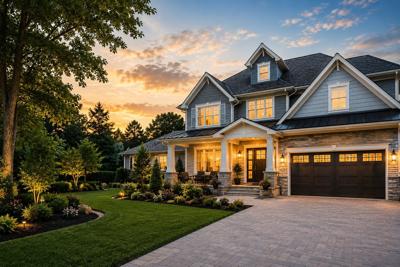
Buying a house has always been one of life’s biggest decisions, but in 2026, buyers need to look far beyond the listing photos. A beautiful kitchen, a generous backyard, or a desirable ZIP code may get your attention, but the smartest purchase is the one that fits your finances, lifestyle, long-term plans, and risk tolerance.
Before buying a house, it is worth slowing down and studying the full picture. That includes the mortgage, insurance, property taxes, neighborhood, inspection results, resale potential, and the true cost of maintaining the home after closing. A house can be a rewarding investment, but only when the decision is made with clear information instead of pressure or emotion.
Whether you are purchasing your first property, relocating for lifestyle reasons, or moving into a more refined home, these are the key considerations to review before making an offer.
Start With the Total Cost, Not Just the Purchase Price
The listing price is only one part of what a home will cost. Buyers also need to consider the monthly mortgage payment, property taxes, homeowners insurance, possible private mortgage insurance, HOA fees, utilities, maintenance, landscaping, and future repairs.
This matters even more in high-demand markets, where a buyer may qualify for the loan but still feel stretched once the full monthly cost is clear. Before buying a house, ask your lender for a realistic estimate that includes taxes, insurance, and closing costs. The Consumer Financial Protection Bureau explains that a Loan Estimate includes important details such as the estimated interest rate, monthly payment, closing costs, taxes, and insurance.
A comfortable purchase should leave room for travel, dining, savings, family plans, emergencies, and the lifestyle that made you want the home in the first place. If the payment consumes too much of the budget, the house can quickly feel more restrictive than rewarding.
Study the Location Like a Long-Term Investor
Location still shapes almost everything about a home’s value. Schools, commute patterns, walkability, restaurants, shopping, views, privacy, nearby development, and access to recreation can all influence how a property performs over time.
For luxury buyers, location is not only about convenience. It is also about lifestyle. A coastal home may offer ocean breezes and sunset views, while a hillside property may provide privacy and architectural drama. A downtown residence may offer walkable dining and culture, while a suburban estate may deliver space, quiet, and room to entertain.
Before buying a house, visit the area at different times of day. Drive the commute. Walk nearby streets. Listen for noise. Look at neighboring properties. Check whether new commercial projects, road expansions, or zoning changes could affect the area. A home can be redesigned, but its location cannot be moved.
Understand the Mortgage Before You Fall in Love With the House
Mortgage terms can change the entire feel of a purchase. A buyer should understand the difference between fixed-rate loans, adjustable-rate loans, jumbo loans, interest-rate buydowns, and the effect of points or lender credits.
A fixed-rate mortgage offers predictable payments, which can be appealing for buyers who want stability. An adjustable-rate mortgage may start with a lower rate, but payments can change later. Jumbo loans, often used for higher-priced homes, may have stricter credit, reserve, and documentation requirements.
Before buying a house, compare offers from more than one lender and review the Loan Estimate carefully. Pay attention to the interest rate, annual percentage rate, estimated cash to close, monthly payment, and whether the loan includes any features that could become expensive later.
It is also wise to ask your lender how much the monthly payment would change if taxes or insurance increase. In many markets, those costs are just as important as the mortgage rate itself.
Look Closely at Insurance, Climate, and Property Risk
Insurance has become one of the most important home-buying considerations. In some regions, buyers may face higher premiums or limited coverage due to wildfire, flood, wind, or storm exposure. A home that seems affordable on paper may become much more expensive once insurance quotes arrive.
Before buying a house, request insurance quotes early. Do not wait until the final days of escrow. Ask about homeowners insurance, flood insurance, earthquake coverage, wildfire risk, and any exclusions that could affect the property.
For flood risk, buyers can review the FEMA Flood Map Service Center, which is the official public source for flood hazard information produced for the National Flood Insurance Program. Even if a lender does not require flood insurance, understanding the property’s risk can help you make a more informed decision.
Luxury properties often include pools, guest houses, outdoor kitchens, retaining walls, slopes, mature landscaping, or large glass openings. These features can add beauty, but they can also affect maintenance, insurance, and repair costs.
Think About the Home’s Size, Layout, and Future Use
A home should work for the life you have now and the life you are likely to have in the next five to ten years. A two-bedroom property may feel perfect today, but it may become limiting if your family grows, relatives visit often, or you need a permanent home office.
Layout matters as much as square footage. An open floor plan may feel beautiful for entertaining, but some buyers still need quiet rooms for work, study, wellness, or guests. A large primary suite may be appealing, but storage, laundry placement, garage space, and kitchen function often shape daily comfort more than dramatic design details.
Before buying a house, consider how the property will support your real routines. Where will guests stay? Where will packages go? Is there room for fitness equipment, pets, hobbies, or aging parents? Can the outdoor space be used year-round? Can the home adapt if work, family, or travel patterns change?
Do Not Skip the Inspection Details
A home inspection is not just a formality. It is one of the most important protections a buyer has. Even beautiful homes can hide aging roofs, drainage problems, electrical issues, plumbing concerns, HVAC wear, foundation movement, or unpermitted work.
This is especially true with luxury homes, where the inspection may need to go beyond the basics. Pools, spas, elevators, smart-home systems, solar panels, wine rooms, outdoor kitchens, security systems, irrigation, and specialty appliances may require separate specialists.
Before buying a house, make sure the inspection period gives you enough time to review the home properly. If the property has unique systems, bring in the right experts. A general inspection can reveal obvious concerns, but a specialist may be needed to evaluate a roof, sewer line, pool, electrical panel, or structural issue.
For more on this topic, FINE Magazine has also covered professional luxury home inspections and why high-end properties often require a more detailed review.
Research the Neighborhood Beyond the Listing Description
Every listing presents a neighborhood in its best light. Buyers need to verify whether the area truly matches their expectations. Look at traffic patterns, street maintenance, nearby construction, lighting, parking, noise, school boundaries, shopping access, and how well surrounding homes are maintained.
A polished interior may not overcome a poor neighborhood fit. If nearby properties are neglected, roads are loud, parking is difficult, or the area does not feel comfortable at night, those issues may affect both lifestyle and resale value.
Before buying a house, walk the neighborhood. Visit on a weekday morning, weekend afternoon, and evening. Talk to local professionals. Review recent comparable sales. If the home is part of an HOA, read the rules, fees, meeting notes, reserve study, and restrictions carefully.
Buyers looking in the luxury market should also read what questions to ask a realtor before searching luxury homes, especially if they are entering a competitive or unfamiliar market.
Consider Resale Value Before Making an Offer
Even if you plan to stay for years, resale value should be part of the decision. Life changes. Careers shift. Families grow. Markets move. A smart purchase should appeal to you now while still making sense to future buyers.
Features that often support resale include a strong location, functional layout, natural light, good storage, quality construction, updated systems, attractive outdoor space, and a floor plan that does not feel overly customized. Features that may limit resale include unusual layouts, excessive deferred maintenance, difficult access, poor parking, noisy surroundings, or highly specific renovations that only appeal to a narrow buyer.
Before buying a house, ask whether the property would still be attractive if you needed to sell sooner than expected. The goal is not to predict the market perfectly. The goal is to avoid obvious problems that could make the home harder to sell later.
Review Legal Details, Ownership Type, and Restrictions
Buyers should understand exactly what they are purchasing. That includes the title, easements, property boundaries, HOA restrictions, rental rules, shared driveways, access rights, permits, and any local regulations that affect how the home can be used.
Some properties may have restrictions on short-term rentals, exterior changes, landscaping, guest houses, fencing, parking, or additions. Condos and planned communities may include monthly fees and rules that affect renovations, pets, guests, and leasing.
Before buying a house, review all disclosures and documents with qualified professionals. A real estate agent can help flag concerns, but title officers, attorneys, inspectors, insurance agents, and lenders may each see different risks.
Make the Decision With Both Emotion and Discipline
It is natural to feel emotional about a home. The right property can inspire dreams of holidays, dinner parties, quiet mornings, family milestones, and a new chapter of life. That emotional connection matters. A home should feel special.
Still, the best purchase balances emotion with discipline. Buyers should know their numbers, understand the property’s condition, research the neighborhood, review insurance, and think carefully about long-term use. The more informed the decision, the easier it is to enjoy the home after closing.
Before buying a house, take the time to step back from the excitement and ask one final question: does this property support the life you want without creating financial or practical stress? If the answer is yes, you can move forward with more confidence.
Final Thoughts
A home is more than a place to live. It is a financial commitment, a lifestyle choice, and often one of the most meaningful purchases a person will make. The right house should offer beauty, comfort, flexibility, and long-term value.
By looking beyond the listing price and reviewing the mortgage, insurance, location, inspection, neighborhood, legal details, and future resale potential, buyers can make a more confident decision. In today’s market, the smartest home purchase is not only the one that looks beautiful. It is the one that works beautifully for your life.
Related reading: Explore more FINE Magazine coverage on buying a luxury home, mistakes to avoid when looking at homes, and real estate investing.
```


(0) comments
We welcome your comments
Log In
Post a comment as Guest
Keep it Clean. Please avoid obscene, vulgar, lewd, racist or sexually-oriented language.
PLEASE TURN OFF YOUR CAPS LOCK.
Don't Threaten. Threats of harming another person will not be tolerated.
Be Truthful. Don't knowingly lie about anyone or anything.
Be Nice. No racism, sexism or any sort of -ism that is degrading to another person.
Be Proactive. Use the 'Report' link on each comment to let us know of abusive posts.
Share with Us. We'd love to hear eyewitness accounts, the history behind an article.