
A modern home security system is no longer just an alarm panel by the front door and a sign in the yard. In 2026, the strongest systems are layered, discreet, and designed to make a home feel protected without making it feel like a fortress. That is especially important for luxury homeowners, where security needs to work quietly in the background while the home still feels warm, stylish, and livable.
The goal is not to fill every corner with gadgets. Nobody wants to feel like they are living inside a control room unless they are secretly running a small airport. A strong modern home security system should combine smart locks, cameras, lighting, sensors, monitoring, and digital protection in a way that fits the home’s layout and the household’s daily rhythm.
Whether you are protecting a primary residence, a vacation home, a guest house, or a property that sits empty between visits, the right system should do three things well. It should deter problems, alert you quickly, and make it easier to respond when something needs attention.
Smart Locks for Controlled Access
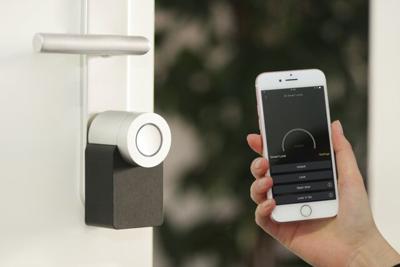
The front door is the natural starting point for a modern home security system. A smart lock helps homeowners manage who can enter the home, when they can enter, and how long that access should last. That is a major improvement over spare keys, which have a charming way of disappearing forever right when you need them back.
Smart locks are especially useful for families, housekeepers, dog walkers, contractors, guests, and vacation rental owners. Instead of making extra keys or hiding one outside, homeowners can create individual access codes and remove them when they are no longer needed. Some systems also provide entry activity, which can be helpful when several people use the same door throughout the week.
A smart lock also supports the larger shift toward cleaner, more flexible entry design. As FINE recently covered in Home 101: Importance of Smart Locks, today’s models can offer keyless entry, guest codes, remote access, and a more discreet look for modern luxury homes.
Security Cameras That See Clearly
Cameras are one of the most visible parts of home security, but they should still be chosen thoughtfully. More cameras do not always mean better protection. The smarter approach is to place cameras where they actually matter: front entries, driveways, side gates, garage doors, pool areas, guest house entrances, and delivery zones.
Modern security cameras should offer clear resolution, dependable night vision, motion alerts, and easy access from a phone. Two-way audio can be useful at the front door, especially for deliveries or unexpected visitors. Cloud storage, local storage, or both should be considered depending on privacy preferences and how much video history the homeowner wants to keep.
For readers comparing options, this older FINE guide to home security cameras is a useful supporting read, though camera features have continued to improve since it was published.
Smart Lighting That Works Before You Think About It
Lighting is one of the most underrated parts of a modern home security system. A well-lit exterior can discourage unwanted activity, make cameras more effective, and help guests move safely around the property. It also improves curb appeal, which means your home can look welcoming while quietly telling trouble to try another house.
Smart exterior lighting can be scheduled, automated, or triggered by motion. Pathway lights, entry sconces, landscape lighting, driveway lights, and backyard lighting can all work together. When paired with cameras or sensors, lighting can make a home feel occupied even when the owners are traveling.
For luxury homes, the key is subtlety. Harsh floodlights may be effective, but they can also make a beautiful home feel like a parking lot. Layered lighting, warm tones, and strategic placement usually create a better balance between security and design.
Door and Window Sensors for Everyday Awareness
Door and window sensors are simple, but they are still essential. These small devices can alert homeowners when an entry point opens unexpectedly. They are especially useful on side doors, garage doors, sliding doors, basement entries, guest house doors, and windows that are easy to overlook.
A modern home security system should cover more than the front door. Many homes have multiple access points, and intruders rarely send a polite calendar invite explaining which one they plan to use. Sensors help homeowners monitor the less obvious places without having to check everything manually.
For families, sensors can also add peace of mind beyond burglary protection. They can help alert parents if a child opens a door near a pool, if a gate is left open, or if a garage entry is used late at night.
Motion Detection That Reduces Blind Spots
Motion detection adds another layer of awareness. Depending on the system, motion sensors can trigger lights, cameras, alerts, or alarms. They can be used indoors, outdoors, or in transitional areas such as garages, covered patios, breezeways, and long driveways.
The best motion detection is thoughtful, not jumpy. A system that sends an alert every time a palm frond moves in the breeze will make homeowners ignore it faster than a group text that never ends. Good placement, sensitivity settings, and pet-friendly options can help reduce false alarms.
Motion detection is especially useful for larger properties where it is difficult to see every area from the main living space. It helps extend awareness to the driveway, pool house, side yard, storage areas, and guest entrances.
Professional Monitoring and Emergency Response
Self-monitoring works for some homeowners, but professional monitoring can add an important layer of support. If an alarm is triggered and the homeowner is unavailable, a monitoring service may help contact emergency responders or follow the system’s response protocol.
This can be especially valuable for vacation homes, second residences, frequent travelers, and anyone who does not want every security alert to depend on whether they saw a phone notification during dinner. Phones are helpful, but they are not always in hand, charged, or free from the mysterious habit of hiding under a car seat.
Before choosing a monitored system, homeowners should compare contracts, fees, response procedures, cancellation terms, and equipment compatibility. A modern home security system should feel supportive, not like a subscription trap in a trench coat.
Smart Home Integration That Keeps Everything Connected
The strongest systems work together. A smart lock, camera, door sensor, motion detector, and exterior light are all useful on their own, but they become more powerful when they can communicate. For example, a side gate opening at night could trigger a camera, turn on exterior lighting, and send an alert to the homeowner.
This is where compatibility matters. The Connectivity Standards Alliance describes Matter as a unifying standard designed to support reliable and secure smart-home connectivity. For homeowners, that matters because the goal is not to collect more apps. It is to make locks, lights, cameras, sensors, and other compatible devices work together more smoothly.
Smart-home planning should not only focus on what a device does today. It should also consider whether that device will work well with future upgrades. A luxury home should not need five apps, three hubs, and one exhausted person trying to remember which button controls the gate.
This is also why broader planning matters. FINE’s guide to smart home upgrades to consider as we head into 2026 looks at how connected technology is becoming more refined, practical, and quietly integrated into everyday living.
Cybersecurity for Connected Devices
Every connected device adds convenience, but it also needs digital protection. A modern home security system is only as strong as the account, app, password, router, and update habits behind it.
The Federal Trade Commission recommends changing default usernames and passwords, using strong unique passwords, enabling two-factor authentication when available, setting up security features, and keeping internet-connected devices updated.
That advice is especially important for security cameras, smart locks, doorbells, routers, hubs, and apps that control access to the home. Homeowners should also review user permissions, remove access for people who no longer need it, and avoid sharing login credentials casually.
A strong system is not just about buying better devices. It is about managing them properly. The fanciest camera in the world will not help much if the password is still “password123,” which, respectfully, should be retired from civilization.
The Bottom Line
A modern home security system should protect the home without overwhelming it. The best systems combine smart locks, cameras, lighting, sensors, motion detection, monitoring, smart-home integration, and cybersecurity into one thoughtful plan.
For luxury homeowners, the most effective security is often the least obvious. It is built into the entry points, the lighting, the landscaping, the garage, the guest house, and the phone in your hand. It is there when needed, quiet when not, and practical enough that the whole household can actually use it.
Security should not make a beautiful home feel tense. Done well, it makes the home feel calmer, more controlled, and easier to enjoy. That is the real value of a modern home security system in 2026.
(1) comment
You can use security cameras for home security while you are away from home. You can monitor all the activity through mobile application by connecting security devices. Video doorbell are most trending these days having feature a motion sensor that will give you a mobile alert. Recently I installed these security systems in my home. I got these services from an online provider.
(Edited by staff.)We welcome your comments
Log In
Post a comment as Guest
Keep it Clean. Please avoid obscene, vulgar, lewd, racist or sexually-oriented language.
PLEASE TURN OFF YOUR CAPS LOCK.
Don't Threaten. Threats of harming another person will not be tolerated.
Be Truthful. Don't knowingly lie about anyone or anything.
Be Nice. No racism, sexism or any sort of -ism that is degrading to another person.
Be Proactive. Use the 'Report' link on each comment to let us know of abusive posts.
Share with Us. We'd love to hear eyewitness accounts, the history behind an article.