
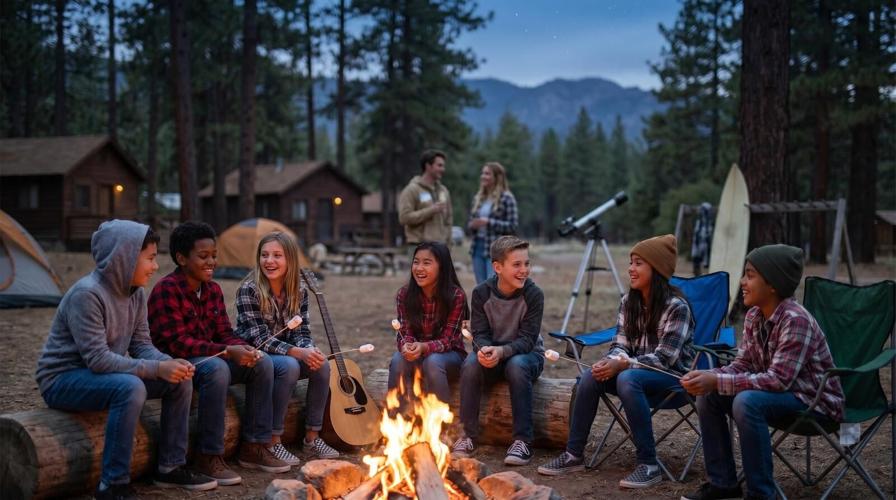
Dreaming of your child sleeping under pine-scented stars? Book now. Southern California’s most popular sleepaway camps are already 70 % full for 2026, Axios warns, so spots vanish months earlier than they used to. With roughly 26 million U.S. kids heading to camp each year, competition is fierce. We audited two dozen overnight programs within a half-day of Orange County, scoring depth, safety, value, reputation, and that elusive wow factor, then ranked the 10 that truly deliver. By the end, you’ll know which camp fits your child—and how to grab a bunk before the wait-list starts. Ready? Let’s dive in.
How we chose the top camps

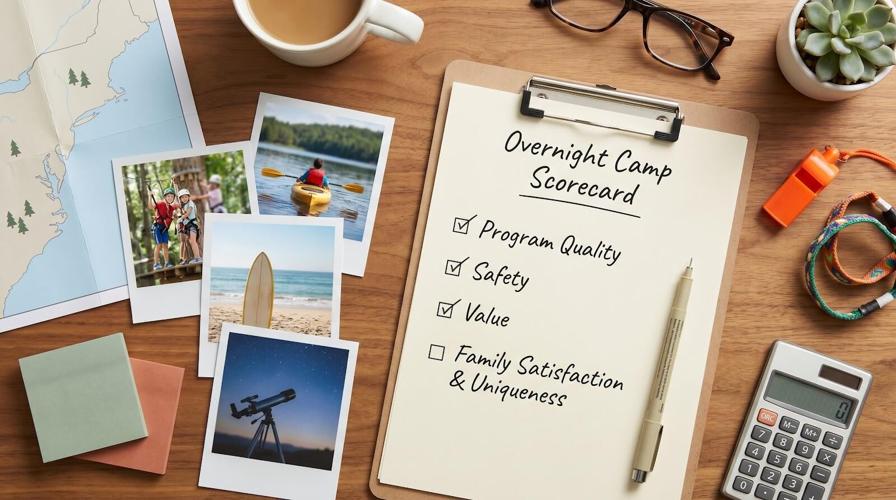
We built a scorecard around what parents care about most and tested it on 24 contenders.
First, program quality. Do instructors run deep, well-organized marine labs, pro recording studios, and horse barns that truly teach new skills?
Second, safety. Every camp we selected holds ACA accreditation or an equivalent review, a process that checks up to 300 individual health, safety, and program quality standards.
Third, value. We weighed tuition against what’s included—gear, meals, specialty instruction—and favored camps with transparent refund or scholarship policies.
Finally, family satisfaction and uniqueness. High return rates, glowing parent feedback, and that hard-to-pin-down spark moved a camp higher.
Those filters left us with ten overnight programs that clear every bar yet still feel magical.

1. Pali Adventures - best overall adventure camp
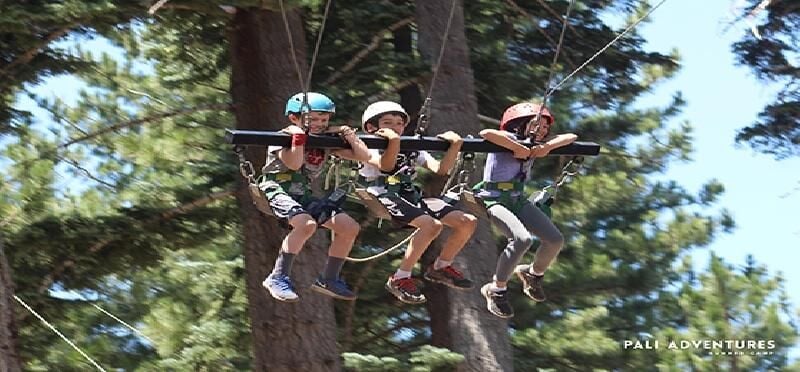
Pali Adventures Summer Camp Lake Cabins and High Ropes Course in San Bernardino Mountains
If your child bounces between filming a movie, driving a stunt car, and flying on a trapeze in the same week, Pali Adventures turns those big dreams into reality. The overnight-only program serves ages 6–16, broken into Mini Camp (6–8), Juniors (8–12), and Seniors (13–16).
Set in the San Bernardino Mountains near Running Springs, about 90 minutes east of Los Angeles, the campus feels like a private playground: cedar-lined cabins, a sparkling lake, and purpose-built studios for every specialty.
Each morning, campers dive into one of 27 specialties across Adventure, Creative, or Performance tracks—think Rock Star, Secret Agent, or Culinary. Afternoons open into free-choice electives, so a budding filmmaker can paddleboard after lunch and still hit the recording booth before dinner. The schedule feels like Netflix for real-world thrills.
Safety anchors the excitement. Pali holds American Camp Association and Western Association of Independent Camps accreditation. Staff complete LiveScan and U.S. Department of Justice background checks and arrive certified in first aid, CPR, and AED use. Low ratios mean counselors know every camper’s name and who could use a confidence boost before the high-ropes course. Parents say first-timers settle in by night two and return home standing taller.
Tuition is all-inclusive: meals, lodging, activities, and specialties carry no extra fees. Register early, because cabins often fill by spring. If you want one camp that celebrates your child’s many sides and sends them home glowing, bookmark the Pali Adventures official site.
2. Catalina Sea Camp - best ocean adventure on an island
Trade freeway noise for lapping waves. Catalina Sea Camp sits in Toyon Bay on the island’s sheltered side, reachable only by boat.
Days revolve around the ocean. Younger campers master snorkeling in clear coves, while teens earn PADI scuba certifications most adults envy. Marine-science labs, sailing lessons, and kayak trips fill the schedule, and evenings end with beach bonfires under star-filled skies.
Parents appreciate the staff bench: lifeguards, marine biologists, and Coast Guard-licensed captains. Phones stay home, so even devoted TikTok scrollers disconnect. Safety is island-level serious, with a staffed infirmary and dedicated dive medics.
One-week sessions for ages 8-13 run June through August. Three-week intensives for ages 12-17 add advanced science projects and longer voyages. Tuition is about $2,100 per week and includes gear, ferry rides, and three chef-prepared meals a day. Long sessions often fill by January, so if your child dreams in aquamarine, book the ferry soon.
3. AstroCamp - best for science and star gazing

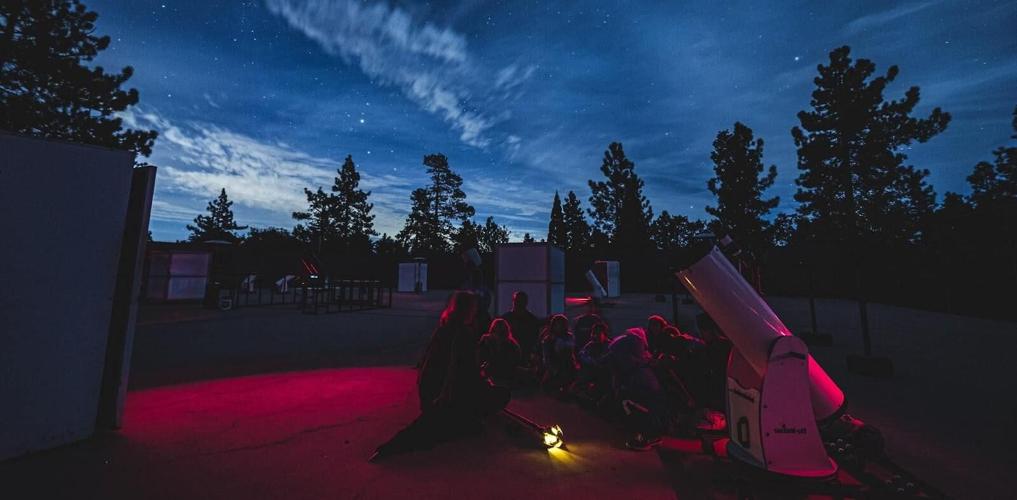
AstroCamp Science and Astronomy Summer Camp Telescopes in the San Jacinto Mountains
Perched at 5,500 feet in the San Jacinto Mountains, AstroCamp blends classic camp vibes with a NASA-style training ground. Crystal-clear night skies let campers spot Saturn’s rings as easily as Orion from the backyard.
Morning labs ignite curiosity. Kids build bottle rockets, wire circuits, and fire a one-million-volt Tesla coil that makes hair stand on end, both literally and figuratively. Afternoons shift to pure camp fun: zip lines, mountain biking, and a ropes course that leaves even hesitant climbers cheering from the top platform.
Staffing lifts AstroCamp higher. Instructors hold science degrees and explain quantum levitation without dulling the wonder. Safety matches the tech—strict goggles-on supervision and low counselor-to-camper ratios keep experiments and adventures well managed. Parents say campers return quoting Newton while winning school science fairs.
One-week co-ed sessions run June through late July for ages 8-17. Tuition is about $2,800 and covers lab gear, meals, and dorm-style lodging. Register before December for an early-bird discount. If your child dismantles gadgets just to see how they tick, AstroCamp is their ultimate playground.
4. Catalina Island Camps - best traditional camp on the beach
Picture classic campfire songs with dolphins cruising past your kayak. Catalina Island Camps (CIC) sits in a hidden cove at Howlands Landing and delivers a timeless cabin-bond experience with an ocean twist.
Mornings may start with archery under eucalyptus shade, then shift to snorkeling over kelp forests where bright garibaldi dart through blue water. Afternoon choice periods keep things fresh; one camper climbs the wall while a bunkmate learns to sail a Sabot dinghy. Evenings finish with Color Wars relays or a beach cookout where the Milky Way feels close enough to touch.
Community fuels the magic. About 200 campers share each session, so kids learn names quickly. Counselors lean into traditions, from secret handshakes and award beads to a farewell “wish boat” ceremony that sends glowing lanterns onto the Pacific. Phones stay home, so friendships, not screens, fill free time.
Sessions last one, two, or four weeks for grades 1-10 from June to early August. Tuition averages $1,800 per week and includes the ferry. Multi-week stays unlock extras like backpacking on the island’s rugged interior. Spots, especially the four-week session beloved by returners, disappear early, so reserve soon if you want your child singing the camp song until Thanksgiving break.
5. Camp Scherman - best all-girls leadership camp
Drive two hours into the San Jacinto Mountains and you’ll find 700 acres of whispering pines, two spring-fed lakes, and a sisterhood that began in 1959. Camp Scherman, run by Girl Scouts of Orange County, trades glossy marketing for genuine tradition—and the girls notice.
Days start with flag ceremony at Lake Promise. From there it’s choose-your-own challenge: one camper saddles up for a trail ride, another scales the alpine tower, while a third learns Dutch-oven cooking over coals. Counselors weave leadership lessons into every activity, so a simple canoe relay becomes a crash course in communication and trust.
The all-girls setting matters. Without boys in the mix, even shy nine-year-olds feel comfortable grabbing the mic at campfire karaoke or tackling the high ropes. Return data proves the formula works; roughly 75 percent of campers come back each summer, often graduating into counselor-in-training roles.
Safety is solid. Camp Scherman is ACA accredited, stations lifeguards at both lakes, and staffs a full-time health center. Tuition lands near $550 for a six-day session, and generous camperships keep doors open to every Girl Scout family.
Sessions run early July through mid-August for grades 2-12, and joining Girl Scouts is as simple as a quick online sign-up. If you want your daughter to swap screen time for saddle time, forge lifelong friends, and return home brimming with confidence, circle Camp Scherman on the calendar now.
6. Rawhide Ranch - best western-themed ranch camp
If your child pictures heaven as hay bales and a horse of their own, Rawhide Ranch makes that dream real. Sitting in Bonsall, about an hour south of Irvine, this 60-year-old program turns kids into capable ranch hands without losing the fun of bunk life.
Campers start each morning feeding horses and goats, then saddle up for riding lessons in a covered arena. Afternoons shift to vaulting (gymnastics on horseback), lasso practice, or archery on the hillside range. Responsibility creeps in between thrills; every camper tackles daily barn chores, and pride grows fast when they can groom a 1,000-pound partner.
Lodging amplifies the Old West vibe. Kids sleep in two-story fort bunkhouses that look straight from a movie set. Evenings bring campfire stories, line-dance socials, and a Friday rodeo where parents cheer newly learned skills.
Rawhide is not ACA accredited, yet its riding safety record is strong, backed by professional wranglers and mandatory helmet rules. Tuition averages $1,100 for a five-night session, well below many horse camps that charge extra for every ride.
Sessions run weekly from early June through late August for ages 7-15, and first-time rider weeks fill fastest. If you want a camp that swaps Wi-Fi for wide-open skies and teaches grit alongside giddy-ups, Rawhide Ranch is worth the dust on your boots.
7. Camp Brave Trails - best inclusive leadership camp for LGBTQ+ youth

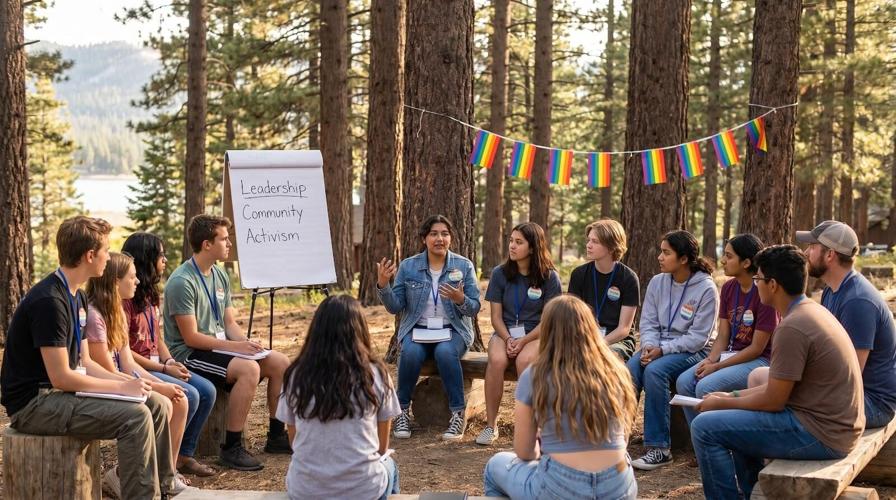
Confidence rises when campers feel fully seen. Camp Brave Trails, nestled among the pines of Big Bear Lake, was built for LGBTQ+ teens and their allies.
Mornings mix classic camp fun—archery, horseback riding, high ropes—with workshops on leadership, activism, and mental wellness. A teen might belay a friend up the climbing wall, then head to a community-advocacy session led by queer adult mentors. Skills meet purpose, and the impact lasts.
The vibe is openly welcoming. Pronoun buttons, rainbow flag bunting, and campfire circles where personal stories flow with the songs help kids drop their guard and form fast friendships. Many counselors are former campers who now model resilience and joy.
Safety runs deep. Brave Trails is ACA accredited, staffs licensed mental-health professionals, and follows a strict zero-tolerance policy on bullying. Parents often note a visible glow in their child’s posture after camp: shoulders back, voice steady, plans brewing for a school club or volunteer drive.
One- and two-week sessions run in June and July for ages 12-18. Tuition is about $1,000 per week, and a generous scholarship fund keeps money from becoming a barrier. If you want your teen to return home with practical leadership tools and a chosen family cheering them on, Brave Trails delivers.
8. Amplify Sleep Away Camp - best girls’ creative arts camp
Not every camper wants mud on her boots; some crave bright stage lights and the rush of a crowd cheering an original song. Amplify, tucked in the Ojai Valley, gives creative girls that spotlight while still delivering campfire camaraderie.
Campers pick a track—Rock Band, Film, DJ, or Journalism—and dive into hands-on workshops led by industry pros. A first-time bassist can join a band on Monday and rock a live showcase by Saturday. Budding filmmakers script, shoot, and edit shorts that debut at the camp’s mini film festival, complete with popcorn and red-carpet selfies.
Between rehearsals, girls hit the pool, try a low-ropes confidence course, or hike citrus-scented hills. Every activity loops back to empowerment: taking up space on stage, pitching an idea clearly, and supporting bandmates through last-minute jitters. Staff keep groups small, so shy campers find their voice fast.
Tuition averages $1,800 a week, covering instruments, cameras, and round-the-clock mentorship. One- and two-week sessions run from mid-July to early August for ages 10-17, and a sliding-scale scholarship program opens the door wider. For girls ready to swap scrolls for spotlights and come home humming their own chorus, Amplify hits the right note.
9. YMCA Camp E.L.K. and Camp Oakes - best budget-friendly traditional camps
Great camp memories shouldn’t require a platinum card. The YMCA proves it with two beloved Southern California overnighters—Camp E.L.K. in Wrightwood and Camp Oakes near Big Bear—that keep fees friendly while packing schedules with classic fun.
Mornings start with flag raising and a hearty breakfast, then cabins fan out to archery ranges, canoe lessons, and pine-lined nature hikes. Counselors weave teamwork games and silly songs into the day, lowering social walls fast. After lunch it’s capture-the-flag, tie-dye, or a giant climbing tower, followed by a rest hour that older campers secretly love. Evenings end with campfire skits where shy kids discover comedy chops and s’mores beat any dessert back home.
Both sites hold ACA accreditation, staff certified lifeguards at pools and lakes, and maintain tight ratios—often one adult for every six campers. A full-time health officer handles everything from skinned knees to homesick tears. The Y also enforces a “no electronics” rule; letters and cabin cheers replace phone pings.
Cost is the headline: tuition runs about $600 to $800 for a five-night session, and YMCA financial assistance ensures no child is turned away for money reasons. Orange County branches even organize charter buses, so drop-off is a quick parking-lot goodbye rather than a mountain drive.
Sessions run in July for ages 7-14, with specialty weeks like science focus or teen leadership sprinkled in. If you want a true camp experience without a designer price tag, the Y camps deliver big value and even bigger smiles.
10. Endless Summer Surf Camp - best overnight surf immersion

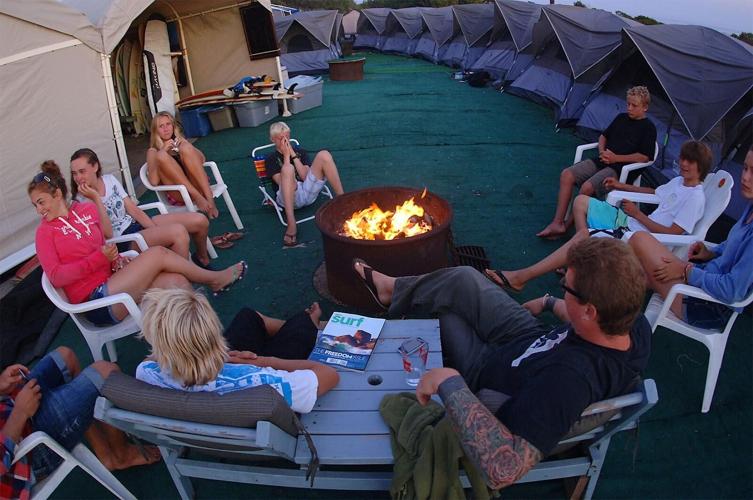
Endless Summer Surf Camp Tents and Teens Surfing on San Onofre Ocean Bluffs
For teens who fall asleep replaying wave sets, this camp feels like nirvana. Endless Summer pitches sturdy canvas tents on San Onofre’s ocean bluffs, so campers drift off to the hush of breaking swells and wake for dawn patrol before breakfast.
Coaches, all certified lifeguards and seasoned local surfers, split kids into small pods—usually three students per instructor—and chase the best break each tide brings. Beginners practice pop-ups on mellow whitewater, while advanced riders tackle chest-high peaks and refine cutbacks. Between sessions, staff run ocean-safety drills and surf-theory chats on riptide recognition, board repair, and reading swell charts.
Life on land stays simple. Showers warm by solar heat, meals feature hearty burritos and fresh fruit, and evenings revolve around bonfires, ukulele jams, and tales of legendary sets. Phones stay packed away, replaced by salt-stiff hair and the shared stoke that bonds strangers into tribe.
A five-day session costs about $1,295 with gear and meals included. Camp runs weekly from early June to mid-August for ages 12-17, with girls-only weeks sprinkled in. Spots vanish once spring swells arrive, so wax that board soon if your teen wants a front-row seat on the lineup.
Honorable mentions
- Canyon Creek Summer Camp in Lake Hughes pairs water slides and ziplines with pro-style sports fields, perfect for kids who love competition and color-war energy.
- Jameson Ranch Camp offers an unplugged, farm-to-table ethos in the Tehachapi Mountains, where campers milk goats at dawn and bake bread for dinner. Spots stay limited, so wait-lists form early.
- SOCAPA Los Angeles turns a Hollywood campus into an arts conservatory for teens laser-focused on film acting, dance, or photography. Dorms feel more college than camp, and the portfolio boost is real.
- Skylake Yosemite Camp sits lakeside near Yosemite National Park and delivers postcard views with classic canoe-and-campfire fun, ideal if you’re ready for a longer drive north.
Conclusion: How to choose the right camp for your child
Start with your child, not the brochure. Ask what lights them up right now—oceans, guitars, horses, or simply new friends and a crackling campfire. When kids help pick the experience, they board the bus excited rather than anxious, and homesickness fades fast.
Match session length to readiness. First-timers under ten usually thrive in five- to seven-day programs close to home. Older campers craving independence can stretch to two or even four weeks, especially when specialty training or leadership tracks add depth.
Budget matters, but value beats sticker price. Look past tuition and check what’s included: gear rentals, meals, field trips, and transportation. A $1,800 surf week that supplies boards and wetsuits may cost less than a cheaper camp with a long gear list.
Safety is non-negotiable. Confirm that the camp holds ACA accreditation or can outline staff qualifications, emergency plans, and counselor ratios. Ask how they handle wildfire smoke, food allergies, or mental-health needs; directors welcome informed parents.
Consider social fit. All-girls or LGBTQ+ programs create supportive bubbles during sensitive tween and teen years. Smaller camps suit introverts who flourish in tight communities, while extroverts may crave larger crowds and color-war energy.
Logistics count, too. A camp within two hours can calm nervous parents, but a farther destination might offer a once-in-a-lifetime setting—think Catalina coves or Yosemite lakes. Weigh travel stress against payoff, and remember many camps run charter buses that erase the driving burden.
Register early and keep a plan B. Top sessions sell out before spring break, yet waitlists move. Lock in a guaranteed spot, then join waitlists for dream picks. Come June, your child will be packed and pumped, and you’ll rest easy knowing the choice was intentional, informed, and uniquely theirs.
Frequently asked questions
What is the best age to start overnight camp?
Most kids feel ready between seven and nine, once they handle sleepovers with ease and manage basic hygiene on their own. If your child is still anxious, choose a shorter starter session or a camp known for gentle first-timer support.
How can I prevent homesickness?
Let your child help pick the camp, pack comforting items such as a photo or small stuffed friend, and send upbeat letters instead of daily texts. Camps load day one with activities because action is the best antidote to “I miss home.”
Are overnight camps safe?
Accredited programs follow more than 265 health and safety standards and train staff in first aid, water rescue, and emergency response. Ask each director about ratios, background-check policies, and evacuation plans; clear answers signal a solid operation.
Is financial aid really available?
Yes. Non-profits like the YMCA and Girl Scouts, plus many private camps, offer need-based scholarships or tiered pricing. Apply early because funds often run out by spring.
Stick to the camp’s list, label everything, and favor clothes that can get dirty. Essentials rarely change: sleeping bag, water bottle, two pairs of sturdy shoes, sunscreen, insect repellent, and a healthy sense of adventure.


(0) comments
We welcome your comments
Log In
Post a comment as Guest
Keep it Clean. Please avoid obscene, vulgar, lewd, racist or sexually-oriented language.
PLEASE TURN OFF YOUR CAPS LOCK.
Don't Threaten. Threats of harming another person will not be tolerated.
Be Truthful. Don't knowingly lie about anyone or anything.
Be Nice. No racism, sexism or any sort of -ism that is degrading to another person.
Be Proactive. Use the 'Report' link on each comment to let us know of abusive posts.
Share with Us. We'd love to hear eyewitness accounts, the history behind an article.