
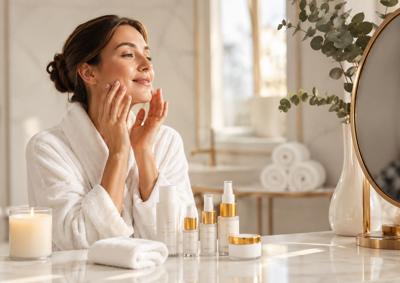

A good facial should leave your skin looking like it had a long weekend, not like it survived a small emergency. Yet the at-home version has a way of becoming too much very quickly. One minute you are cleansing. The next, you are steaming, scrubbing, peeling, masking, layering serums, and wondering why your face suddenly feels warm enough to have its own zip code.
The truth is that most skin does not need more drama. It needs better judgment. A spa-level facial at home is not about using every jar, bottle, and tube in the bathroom. It is about creating a calm, thoughtful routine that helps the skin look refreshed without pushing it past its limits.
That is where the modern home facial becomes more interesting. It is less about copying every step of a professional treatment and more about borrowing the best parts of the spa experience: clean skin, warmth, one targeted mask, deep hydration, and enough restraint to stop before your skin starts objecting.
Start With Skin That Feels Clean, Not Punished
The first step of any facial is cleansing, but this is also where people tend to get overzealous. Hot water, rough washcloths, gritty scrubs, and that tight, squeaky-clean feeling can make skin feel fresh for a moment and uncomfortable for the rest of the evening. Clean skin should never feel like it has been disciplined.
Use lukewarm water and a gentle cleanser that suits your skin type. The American Academy of Dermatology recommends using a gentle, non-abrasive cleanser and avoiding products that contain alcohol when washing the face. It is not the most glamorous beauty advice, but it is the kind that keeps a facial from turning into irritation with better lighting.
Make Warmth Feel Luxurious, Not Aggressive
Warmth is one of the easiest ways to make a home facial feel more expensive. It softens the mood, relaxes the face, and gives the whole routine that spa-like pause people are usually craving in the first place. What it does not need to be is extreme.
Skip the boiling water bowl and the bathroom steam chamber. A warm towel pressed gently over the face for a minute or two is enough. Use a clean towel, soften the lighting, and put your phone somewhere out of reach. A spa-level facial at home should feel like a reset, not another task competing for attention.
Exfoliate Like Someone Who Wants Skin Tomorrow
Exfoliation can help dull skin look smoother and more polished, but it is not a step that rewards enthusiasm. Too many exfoliating products in one routine can leave skin red, shiny, dry, or strangely tight. The goal is refinement, not resurfacing your face like a marble countertop.
If your usual routine already includes retinol, acids, exfoliating pads, or strong treatment products, keep this part simple. Choose one treatment step and avoid stacking actives. This matters most before a dinner, photos, travel, or any event where calm skin is more useful than evidence that you tried very hard.
Choose a Mask That Gives Skin What It Actually Needs
The mask is the step that makes an at-home facial feel indulgent, but it should still serve a purpose. Dry, tired, overworked skin usually does not need the most intense product on the shelf. It needs hydration, softness, and a little visible polish without the aftermath.
For this kind of routine, the Beyond Tightening Hydration Mask from H2V by Burke Williams is a natural fit. Burke Williams describes it as a 3-in-1 mask designed to hydrate, plump, and exfoliate, with a 10-minute application once or twice weekly. It brings a spa-inspired treatment step into the routine without making the whole evening feel complicated.
Apply a thin, even layer and let it do its work. Do not add a scrub because you are impatient. Do not follow it with a second mask because the first one made you feel productive. Rinse gently, pat the skin dry, and enjoy the rare beauty victory of doing enough.
Hydration Is the Step That Makes Skin Look Alive Again
After masking, hydration is where the skin starts to look more awake. Dehydrated skin can make fine lines, texture, and dullness look more obvious. It can also make makeup sit unevenly, which is deeply unfair after you have just behaved responsibly for an entire facial.
The Burke Williams Moisture Enhance Hyaluronic Boost Serum fits this step well. Burke Williams describes it as a hydrating serum featuring hyaluronic acid, used on cleansed skin across the face and neck. In a spa-level facial at home, this is the replenishing step that helps skin feel softer and look fresher after cleansing and masking.
Use a small amount and press it gently into the skin rather than rubbing aggressively. Include the neck, which is too often ignored despite being very much part of the visible situation. Let the serum settle before applying moisturizer.
Moisturizer Is Where the Routine Should End
A serum is usually not the final step. After hydration, apply a moisturizer that works for your skin type. This helps seal in the routine and keeps the skin feeling comfortable once the facial is finished.
If your skin is oily, choose something lightweight. If your skin is dry, use something richer without going heavy. Then stop. The most elegant part of a home facial is knowing when not to add another layer. More product does not always mean more glow. Sometimes it just means pilling, congestion, or waking up with skin that looks confused.
Leave Extractions to the Professionals
Few things ruin a relaxing beauty ritual faster than deciding you are suddenly qualified to perform bathroom surgery. Deep clogged pores, inflamed blemishes, cystic acne, and anything painful should be left to a licensed professional. A magnifying mirror and determination are not credentials.
Picking at the skin can lead to redness, scabbing, irritation, and dark marks that last much longer than the original blemish. If breakouts are a regular concern, a consistent skincare routine will do more than one dramatic evening of overcorrection. Gentle cleansing, hydration, sun protection, and appropriate treatment products are not exciting, but they are effective.
Protect the Glow the Next Morning
A facial does not end when the mask comes off. The next morning matters, especially if the routine included exfoliation or active ingredients. Skin that has been freshly treated should be protected, not sent into the sun bare and optimistic.
The American Academy of Dermatology recommends sunscreen that offers broad-spectrum protection, water resistance, and SPF 30 or higher. For more sun-related beauty guidance, see How to Protect Scars From the Sun While They Heal.
Make the Ritual Feel Worth Staying Home For
The best home facial is not trying to imitate a treatment room exactly. It is creating a version of that calm in your own space. Clean towels, soft lighting, quiet music, a candle, and a few well-chosen products can make an ordinary bathroom feel more intentional.
That same idea carries through in Luxury Self-Care for the Ultimate At-Home Spa Experience, where the focus is not excess. It is choosing the details that make staying home feel calmer, softer, and more considered. The same rule applies to skincare. The ritual works best when it feels edited.
The FINE Takeaway
A beautiful home facial does not need to be complicated. Cleanse gently. Use warmth with restraint. Choose one smart mask. Replenish hydration. Moisturize. Protect the skin the next morning. That is enough.
The luxury is not in using everything you own. It is in knowing what your skin actually needs and giving it that without the extra noise. Done well, a spa-level facial at home leaves skin looking calm, hydrated, and fresh, which is exactly what a facial should do.
(0) comments
We welcome your comments
Log In
Post a comment as Guest
Keep it Clean. Please avoid obscene, vulgar, lewd, racist or sexually-oriented language.
PLEASE TURN OFF YOUR CAPS LOCK.
Don't Threaten. Threats of harming another person will not be tolerated.
Be Truthful. Don't knowingly lie about anyone or anything.
Be Nice. No racism, sexism or any sort of -ism that is degrading to another person.
Be Proactive. Use the 'Report' link on each comment to let us know of abusive posts.
Share with Us. We'd love to hear eyewitness accounts, the history behind an article.