

Most of us want our animals to be comfortable, healthy, and happy. It is also nice when the gear we buy looks good in the barn, tack room, or kitchen. The harder part is knowing which upgrades truly help and which ones mostly sit on a shelf.
This guide keeps the focus on practical care for two very different companions: the horse in the barn and the dog at home. It uses veterinary-aligned guidance where it matters, so you can make calmer, better-informed choices.
What quality pet care really means now
The word premium gets used often, but useful pet care starts with function. A well-made item should hold up, feel good to use, and support your animal's comfort or safety. Good design matters, but appearance should not be the main reason to buy.
Before any upgrade, ask three simple questions. Is it made from materials that suit daily use? Does it reflect credible veterinary or safety guidance? Does it solve a real problem in your routine? When all three answers are yes, the purchase is more likely to earn its place.
Hoof health, fit, and comfort essentials for horses
Hoof care rewards consistency more than any single tool. The habits you build with your farrier do most of the important work, and good equipment supports that routine.
The basics your farrier will appreciate
Regular trims help keep hooves balanced. University of Florida IFAS Extension guidance suggests many horses need farrier visits every five to eight weeks, adjusted for footing, workload, growth rate, and season. Clean, dry footing and daily hoof checks also make it easier to spot small changes early.
Some hoof problems need a veterinarian's direction. For example, a drained hoof abscess may be bandaged with a medicated poultice pad for a few days to protect the area and encourage drainage. Cold therapy may also be part of laminitis management in some cases. These are treatment decisions to discuss with your vet and farrier, not steps to guess at on your own.
When hoof boots make sense
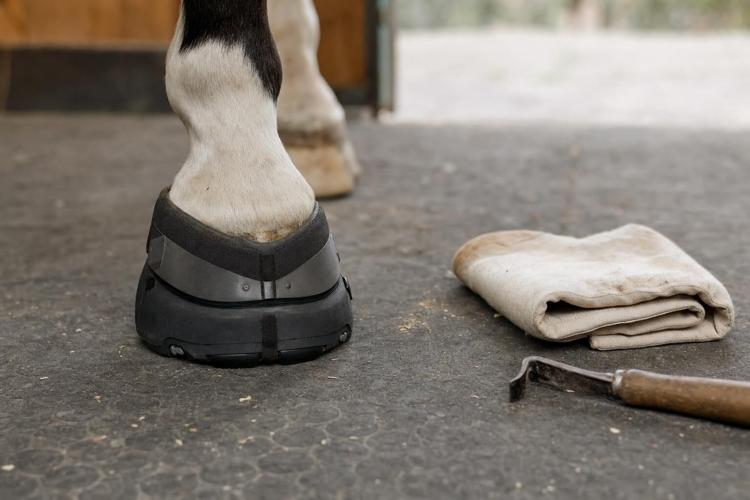
Hoof boots can be useful for specific jobs. They may add protection on rough ground, improve traction, or help hold a poultice or dressing in place when recommended by a professional. They are not a cure-all, so match the boot to the task and the horse in front of you.

Fit matters more than looks
A boot that does not fit will not do its job, no matter how well it is made. Measuring is the step people often rush, and it is also the step that matters most. A medically reviewed Chewy guide recommends measuring bare hooves within two weeks of the last trim because hoof shape changes as it grows.
Measure width and length, check the hoof shape, and compare those numbers with the sizing chart for the style you are considering. If you are comparing options, you can browse boots for horses online to see common boot and pad styles before speaking with your farrier. Treat that as research, then confirm the choice with the professional who knows your horse's feet.
Your dog's daily dental routine, simplified
Dental care is one of the most overlooked parts of dog ownership, but it is also one of the easiest routines to improve. A few minutes of steady care can help reduce buildup and support healthier gums between veterinary visits.
Why brushing still wins
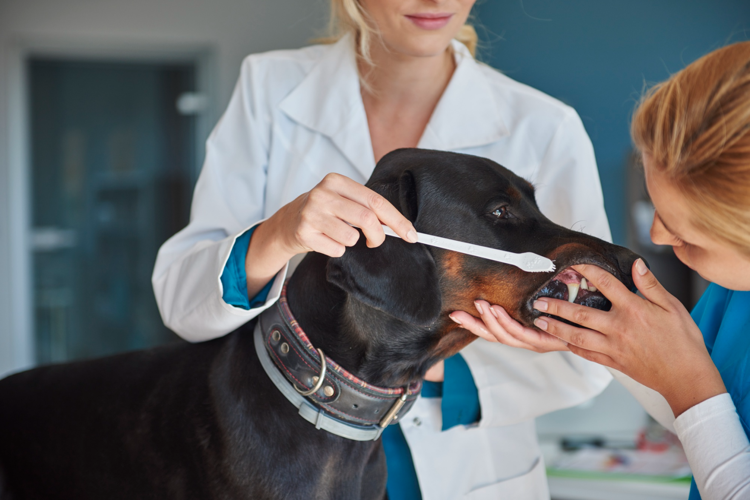
Brushing remains the most reliable home-care habit. The American Veterinary Dental College recommends starting daily dental care early, and veterinary guidance commonly pairs daily brushing with regular exams. Professional cleanings may still be needed, especially if your dog already has signs of periodontal disease.
If chews are part of your dog's routine, read ingredient lists and choose products that suit your dog's size, chewing style, and health needs. This roundup on the best all-natural chew ingredient options ranked can help when you are comparing labels and deciding what belongs in the treat jar.
Make it doable in five minutes
Start slowly so your dog learns to tolerate brushing rather than dread it. Let your dog lick a little pet-safe toothpaste from your finger first. Once that feels normal, use a soft brush with a pea-size amount and focus on the outside surfaces of the teeth, where buildup often collects.
Aim for daily brushing, but keep the routine realistic. If you miss a day, a dental wipe can be a useful backup. Keep sessions short, stay calm, and end with praise so the habit feels manageable for both of you.
What VOHC accepted means in plain English
Some dental products carry a Veterinary Oral Health Council, or VOHC, accepted seal. That means the product met set standards for a specific claim, such as helping reduce plaque or tartar. It is an evidence-based signal, not a guarantee that every dog will get the same result.
When you are ready to stock up on basics, you can browse dog toothpaste online to compare toothbrushes, toothpastes, water additives, wipes, and chews. Your vet can help you choose the option that fits your dog's mouth, temperament, and current dental health.
Travel and home upgrades that truly help
Beyond hoof care and dental care, a few thoughtful upgrades can make daily life safer and easier. The best ones solve a clear problem without adding unnecessary complexity.
Car safety is the non-negotiable
Not every travel accessory is a safety device. Some harnesses or barriers may reduce driver distraction, but that does not mean they offer crash protection. Read the product details carefully, look for meaningful testing information, and choose restraint systems based on safety rather than convenience alone.
Beds and feeders that earn their keep
Supportive bedding can help older, heavier, or sore dogs rest more comfortably. Look for clear descriptions of support and ask your vet if your dog has arthritis, hip pain, or other joint concerns. Feeding tools can also help when they solve a real issue, such as missed meals, inconsistent portions, or a pet that eats too quickly. Small pet-friendly home upgrades in the same spirit, from easy-clean floors to tidy storage, make daily care simpler too.
Bringing it all together
The common thread is simple: thoughtful comfort and credible care beat anything bought on looks alone. A boot that fits, a brush used often, and a bed that supports aching joints are the upgrades your animal can actually feel.
Buy the things you will use, favor items backed by real standards, and keep your routines steady. Let your veterinarian and farrier guide the individual decisions that matter most, and let good gear support the everyday care you already provide.
Post a comment as Guest
Report
Watch this discussion.
(0) comments
We welcome your comments
Log In
Post a comment as Guest
Keep it Clean. Please avoid obscene, vulgar, lewd, racist or sexually-oriented language.
PLEASE TURN OFF YOUR CAPS LOCK.
Don't Threaten. Threats of harming another person will not be tolerated.
Be Truthful. Don't knowingly lie about anyone or anything.
Be Nice. No racism, sexism or any sort of -ism that is degrading to another person.
Be Proactive. Use the 'Report' link on each comment to let us know of abusive posts.
Share with Us. We'd love to hear eyewitness accounts, the history behind an article.