
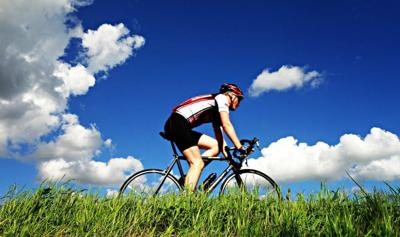
Cycling in the summer has a certain appeal. The mornings are brighter, the coast feels more inviting, and even a quick neighborhood ride can feel like a small escape. But warm-weather riding is not quite the same as hopping on a bike in spring or fall. Heat changes everything, from how your body handles effort to how quickly you need water, shade, and recovery.
That does not mean summer cycling should feel complicated. It simply means the ride deserves a little more planning. Whether you are heading out for a coastal cruise, a city ride, a trail loop, or a longer fitness route, the smartest summer cyclists pay attention to timing, clothing, footwear, hydration, sun exposure, and the signs that the body has had enough. For readers building a broader summer wellness routine, FINE Magazine has also covered how fitness and wellness are becoming part of everyday luxury living.
Choose the Right Time to Ride
The easiest way to make a summer ride more comfortable is to avoid the hottest part of the day. Early morning rides are often the best option because the pavement has not yet absorbed hours of heat, the light is softer, and traffic may be lighter. Evening rides can also work well, especially for casual cyclists, but visibility becomes more important as the sun drops and shadows stretch across the road.
Midday rides require more caution. Strong sun, warm pavement, and reflected heat can make a route feel more intense than the forecast suggests. If the day is under a heat advisory or the temperature is climbing quickly, shorten the route, lower the pace, or move the ride indoors. The National Weather Service offers heat-safety guidance that is useful for anyone planning outdoor activity in hot weather. Summer fitness should not become a test of stubbornness. A smart ride is one you can finish without feeling flattened for the rest of the day.
Dress for Heat, Sweat, Movement, and Visibility
Summer cycling clothes should help the body stay cooler, not trap heat against the skin. Lightweight, breathable fabrics are usually a better choice than heavy cotton because cotton absorbs sweat and can stay damp. That dampness may seem harmless at first, but over a longer ride it can lead to chafing, discomfort, and irritation. Padded cycling shorts, moisture-wicking tops, and properly fitted socks can make a significant difference, even on a short ride.
Footwear matters too, especially for riders who are not clipping into a road bike. Serious cyclists may prefer technical cycling shoes, but many people riding coastal paths, neighborhood routes, or boardwalk loops need something more versatile. A clean court-inspired sneaker can work well for casual summer rides because it still feels athletic before and after the bike comes out.
For men or unisex sizing, the Wilson Pro Staff 87 Mesh Unisex Shoe offers a relaxed athletic option with mesh comfort for everyday wear and light activity. For women, the Wilson Pro Staff 87 Mesh Women’s Shoe brings the same polished sport feel in a lightweight style that works before and after an easy summer ride. Neither is a technical cycling shoe, but both fit the kind of casual route that may include coffee, errands, a beach walk, or lunch after the ride.
Visibility should be part of the outfit as well. Bright clothing, reflective details, and working lights help drivers, pedestrians, and other cyclists see you sooner. The National Highway Traffic Safety Administration recommends proper bicycle safety habits, including visibility and safe riding practices. A white front light and red rear light are useful even during the day, especially when riding through shaded streets, coastal fog, or changing evening light.
Hydrate Before You Feel Thirsty
One of the most common summer cycling mistakes is waiting until thirst becomes obvious. By then, the body may already be behind. Start hydrating before the ride, bring more water than you think you will need, and sip regularly instead of trying to catch up all at once. For longer rides, routes with hills, or especially hot days, consider whether you need electrolytes as well as water.
Plan the route around water access when possible. Know where you can refill a bottle, cool down, or stop if the ride becomes harder than expected. This is especially important on inland routes, open trails, or stretches without shade. A beautiful ride loses its charm quickly when there is no easy place to recover. Summer cycling is not only about endurance. It is about managing energy intelligently.
Protect Your Skin and Eyes
Cyclists are exposed to sun for long periods, often on areas that are easy to forget: the back of the neck, ears, hands, lips, shoulders, and the part line of the scalp. The American Academy of Dermatology recommends choosing a broad-spectrum, water-resistant sunscreen with SPF 30 or higher. For outdoor rides, sunscreen should be reapplied during longer outings and after heavy sweating.
Sun protection should not rely on sunscreen alone. Sunglasses help protect the eyes from glare, wind, dust, and debris. A well-ventilated helmet can keep the head protected without feeling overly heavy. UPF clothing, arm sleeves, and lightweight neck protection can also be helpful for riders who spend a lot of time outdoors. The goal is not to cover up in a way that feels suffocating. The goal is to reduce unnecessary exposure while staying comfortable enough to keep moving.
Check the Bike Before You Go
A summer ride should feel free and easy, but that does not mean unprepared. Before heading out, check the tire pressure, brakes, chain, and lights. A loose helmet, soft tire, or weak brake can turn a simple ride into a problem, especially on streets with traffic, hills, or uneven pavement. Keep a small repair kit or at least a phone, identification, and payment method with you.
Route planning matters too. Choose roads, paths, or trails that match your comfort level, and avoid assuming that every scenic route is automatically a safe one. Riders looking for local outdoor inspiration can also explore FINE Magazine’s guide to outdoor activities in San Diego, which includes cycling as part of the region’s warm-weather lifestyle.
Know When to Slow Down or Stop
The body gives warnings when heat is becoming a problem. According to the Centers for Disease Control and Prevention, heat-related illness can include symptoms such as headache, nausea, dizziness, weakness, heavy sweating, confusion, and muscle cramps. These signs should not be ignored during a summer ride.
If symptoms appear, stop riding, move to shade or air conditioning if available, loosen tight clothing, sip water, and cool the body down. If symptoms are severe, worsen, or do not improve, seek medical help. This is where many cyclists make the wrong choice. They push through because they are close to home, trying to finish a route, or riding with someone faster. Summer heat does not care about pride. It is better to cut a ride short than turn a pleasant outing into a medical situation.
Ride Smarter This Summer
The best summer rides are not the longest or the most intense. They are the ones planned with enough care to make the experience feel good from beginning to end. With the right timing, breathable clothing, versatile footwear, sun protection, hydration, a quick bike check, and awareness of heat, cycling can remain one of the simplest and most enjoyable ways to move through the season.


(0) comments
We welcome your comments
Log In
Post a comment as Guest
Keep it Clean. Please avoid obscene, vulgar, lewd, racist or sexually-oriented language.
PLEASE TURN OFF YOUR CAPS LOCK.
Don't Threaten. Threats of harming another person will not be tolerated.
Be Truthful. Don't knowingly lie about anyone or anything.
Be Nice. No racism, sexism or any sort of -ism that is degrading to another person.
Be Proactive. Use the 'Report' link on each comment to let us know of abusive posts.
Share with Us. We'd love to hear eyewitness accounts, the history behind an article.