
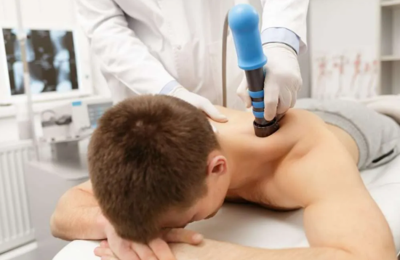

Shockwave therapy is a non-surgical care option for certain muscle, tendon, and joint concerns. It uses acoustic waves to target a sore area through the skin. Patients may consider it when pain is prolonged for quite some time. This guide explains the treatment process in Whitefish.
1. Know What the Therapy Does
Shockwave care sends sound wave energy into a sore or injured area. Shockwave therapy treatments in Whitefish, MT, may help with tissue repair signals and blood flow. The goal is to aid the body’s natural response. It is usually discussed for stubborn soft tissue pain.
This care does not involve an incision or anesthesia. A provider places a device on the skin near the affected area. The waves reach the target site and may reduce pain signals. A visit can feel direct, simple, and brief.
2. Learn Which Pain Areas May Qualify
Shockwave therapy is discussed for plantar fasciitis, Achilles tendon pain, tennis elbow, and shoulder pain. It may also help with knee pain, hip pain, hamstring strain, or trigger points. A clinician should check symptoms, health history, and limits first. That review helps decide if the method fits the case.
In Whitefish, active routines can include work, trails, snow sports, and long days. Chronic issues can make those routines harder. Shockwave care may help improve comfort when standard care falls short. Montana patients should expect a proper exam first.
3. Ask About Device Type
Different shockwave devices serve different needs. Focused devices send energy to a smaller, deeper target. Radial devices spread waves across a broader surface area. The choice depends on tissue depth and the care plan.
A patient should ask which device may suit the condition. Device type can affect comfort, target depth, and session plan. Clear answers help remove mystery from the visit. This supports a better care match.
4. Prepare for the First Visit
The first visit should include a health review and exam. The provider may ask about pain date, activity level, and prior care. Wear clothes that allow easy access to the sore area. This keeps the appointment smooth and respectful.
Simple Questions to Ask
A few notes can keep the discussion clear. These questions help:
- What condition does the exam suggest?
- Which device may fit this area?
- How many visits may be needed?
- What activity limits apply after care?
5. Know What a Session May Feel Like
A session is usually short and may last several minutes. The device may create tapping, pulsing, or pressure over the sore spot. Some discomfort can occur, but feedback helps adjust intensity. The aim is a useful stimulus without needless strain.
After care, the area may feel tender for a short time. Patients may be asked to avoid hard activity for a set time. That pause gives the tissue time to respond. Montana patients with active jobs should discuss work duties first.
6. Track Results Over Time
Shockwave therapy is rarely judged by one visit alone. Some plans use several sessions days apart. Progress may show as less pain, better motion, or easier daily tasks. A symptom log can help review change.
Results can vary by condition, pain length, health status, and activity level. The method should fit a broader care plan when needed. Stretch work, strength work, or chiropractic care may support the process. Good follow-up helps keep expectations realistic.
Shockwave therapy treatments in Whitefish, MT, can be a practical topic for patients who want clear facts before a visit. This care may help improve soft tissue pain for some people, but it is not a promise of instant relief. For Whitefish and Montana residents, a careful review with a provider is the best place to start.

(0) comments
We welcome your comments
Log In
Post a comment as Guest
Keep it Clean. Please avoid obscene, vulgar, lewd, racist or sexually-oriented language.
PLEASE TURN OFF YOUR CAPS LOCK.
Don't Threaten. Threats of harming another person will not be tolerated.
Be Truthful. Don't knowingly lie about anyone or anything.
Be Nice. No racism, sexism or any sort of -ism that is degrading to another person.
Be Proactive. Use the 'Report' link on each comment to let us know of abusive posts.
Share with Us. We'd love to hear eyewitness accounts, the history behind an article.