
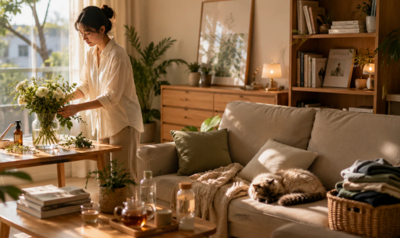

A calm home environment is usually the result of small, steady changes rather than large, sudden modifications. When daily habits are simple and the environment is balanced, the home is more comfortable - these adjustments influence the mood and wellbeing of family members without requiring significant effort.
Small Environmental Adjustments
Physical environments are the basis for a calm residence - People can change the atmosphere of a room when they adjust lighting, lower background noise and remove items from surfaces. Family members are able to rest plus concentrate when rooms are open and contain few objects.
The kitchen is a primary influence on the mood of the household. Stress is lower during active periods when counters are tidy but also cleaning is frequent. Daily use of dishwasher tablets is one method to maintain household operations. Small habits are helpful because they stop the buildup of clutter and ensure the home is organized.
Building Predictable Daily Transitions
Morning and evening patterns are influential factors in the emotional climate of a home. People who move quickly through these transition periods often feel stressed. Daily life is more structured and orderly when individuals establish simple, repeatable habits.
Preparation of necessary items on the previous night is a helpful practice. Consistent evening habits are also beneficial. Family members are unlikely to feel overwhelmed when schedules are predictable - this predictability is a source of stability that maintains a quiet environment.
Reducing Friction in Routine Tasks
Household calm is related to how easily people complete everyday tasks. If routines are complicated, even simple responsibilities are tiring. Making these tasks easier preserves energy and prevents small frustrations from growing.
Straightforward kitchen cleanup encourages individuals to clean after every meal. Having supplies that are easy to reach helps prevent delays. In some homes, using dishwasher pods is a way to simplify decisions and lower preparation time - these efficiencies are helpful for a relaxed daily flow.
Encouraging Mindful Communication
The way family members speak to each other has a strong impact on the home. Calm environments are common when conversations are steady, respectful and slow. If communication is rushed, tension is more likely to spread.
Intentional dialogue helps people avoid misunderstandings - Brief moments of patience during a conversation can change the emotional tone of an interaction. Over time, the habits build a supportive environment where people feel heard.
Managing Sensory Load at Home
A home with too much sound or many visual items is often overwhelming. Reducing this sensory load creates a quiet space where family members can rest - this process includes managing noise, limiting screen use and keeping decorations at a moderate level.
Turning off unused devices or clearing cluttered areas has a noticeable effect. When the environment does not require constant attention, the mind is able to rest - this supports both comfort and focus for everyone in the house.
Supporting Consistent Home Flow
A peaceful environment is more common when daily activities follow a regular pattern - this approach is a flexible framework rather than a rigid set of rules. Households are less disorganized when routines are easy to understand.
Individuals can support this process - performing related tasks at the same time or following a set sequence - these practices are helpful because they lower the frequency of decision making. The home is more stable as a result.
Creating a calm home is a process of making consistent, small adjustments to daily life. When the environment is simple, communication is steady and routines are easy, the mood of the home improves - these habits result in a meaningful difference in how family life feels. A calm atmosphere is beneficial for relationships, thinking and comfort.
(0) comments
We welcome your comments
Log In
Post a comment as Guest
Keep it Clean. Please avoid obscene, vulgar, lewd, racist or sexually-oriented language.
PLEASE TURN OFF YOUR CAPS LOCK.
Don't Threaten. Threats of harming another person will not be tolerated.
Be Truthful. Don't knowingly lie about anyone or anything.
Be Nice. No racism, sexism or any sort of -ism that is degrading to another person.
Be Proactive. Use the 'Report' link on each comment to let us know of abusive posts.
Share with Us. We'd love to hear eyewitness accounts, the history behind an article.