

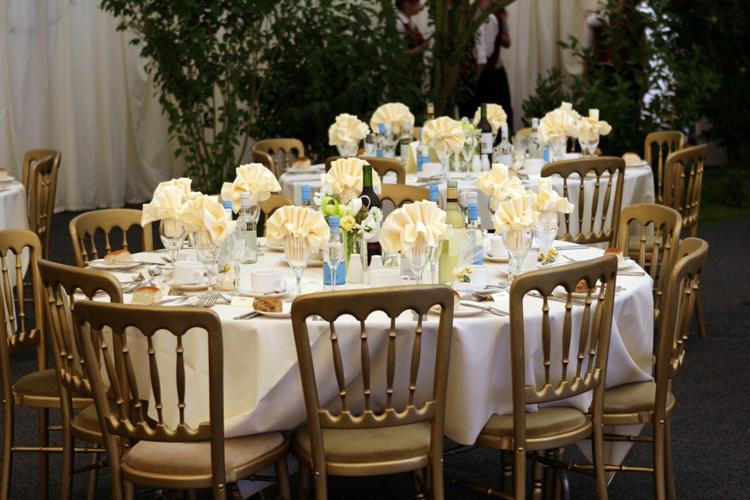
Hosting a business event comes with many moving parts and high expectations. Success requires a clear vision and careful attention to every detail from start to finish. You need to create an experience that resonates with your audience and meets your commercial goals. Think about the guest journey to stay focused on what truly matters.

Prioritizing Your Event Budget
Managing costs is a major hurdle for organizers right now. 85% of planners view these gatherings as a top priority, even as every dollar spent is scrutinized. High-priority status means you must justify every expense with clear projected returns. Rigorous focus helps you allocate funds to the areas that offer the highest engagement for your guests.
Spending money wisely means looking at historical data from previous years. Identify which areas provided the most value to your attendees in the past. Cutting back on low-impact items allows you to spend more on high-impact experiences. You might decide to spend less on printed brochures so you can invest more in high-quality catering.
Carefully track every penny to prevent small costs from spiraling into a financial crisis. You should review your budget weekly to stay on track with your spending goals. Sharing these updates with your team keeps everyone accountable for the success of the project.
Selecting The Right Voices
The people on stage determine the energy and takeaways for your entire audience. Professional speakers like those at JLA can elevate the conversation and keep attendees engaged throughout the day. The right talent makes your message land with impact and authority. Book your main guests early to avoid missing out on the best available options.
Guest speakers bring fresh perspectives that internal staff might miss. They provide a draw for attendees who are looking for expert insights and new ideas. Look for individuals who can mix storytelling with practical advice that guests can use. A great speaker can turn a standard session into the highlight of the entire week.
Match the speaker to the tone of your gathering. You need someone who understands your industry and can speak the language of your audience. Researching their previous work helps you feel confident in their ability to deliver a great performance. Their presence on the schedule can drive ticket sales and interest for your brand.
Planning Your Venue Layout
The physical space dictates how your guests move and interact during the day. Map out the floor plan to avoid crowded bottlenecks or empty corners. Good lighting and clear signs help people feel comfortable and confident in the space.
Choose a central location for easy access
Provide quiet zones for focused work
Test all sound equipment before starting
Offer healthy food and drink options
People who are away from their offices for the day demand comfort. Invest in plenty of charging stations and fast internet access for every attendee. Guests who feel looked after are more likely to stay engaged with your content.
The Value Of In-Person Connection
Digital meetings are convenient, but they cannot replace the power of face-to-face interaction. About 78% of organizers believe in-person conferences are their most impactful marketing channel. Physical presence builds trust and rapport in ways that a screen never can.
Meeting people in person creates memories that last longer than a video call. Provide plenty of space for guests to talk and mingle between the scheduled sessions. Networking is the main reason people choose to attend professional gatherings in the first place. You can design comfortable breakout areas with refreshments.
The energy of a live crowd creates a shared experience that is hard to replicate online. People feel a sense of belonging when they are in a room with like-minded professionals. Encourage group discussions to make the most of this collective knowledge. A well-designed environment makes it easy for guests to share ideas and solve problems together.
Anticipating Future Costs
Looking ahead to next year requires a realistic view of inflation and service prices. Data indicates that 58% of professionals expect costs to rise between 5% and 14% this year. Preparing for these increases now prevents sudden financial gaps during the planning phase. Early planning gives you the time to find better deals and lock in lower rates before they rise.
Rising prices affect everything from catering to venue hire and travel. You might need to adjust your ticket prices or seek new sponsors to cover these gaps. Talking to vendors early allows you to negotiate contracts that protect you from future price spikes. Stay informed about market trends and make smart decisions about where to save and where to spend.
Securing sponsorship early will stabilize your finances. Partners are more willing to commit to long-term deals if you can show them a clear return. Offer different levels of sponsorship to suit various budgets and marketing goals.
Incorporating Technology Solutions
Modern events rely on tech to keep things running on schedule. Using a dedicated app allows guests to view the agenda and book their sessions easily. Tech tools help you collect data on which parts of the day were most popular. Use this information to make better decisions for your next gathering.
Live polling and interactive screens keep the energy high in the room. People like to see their opinions reflected on the big screen in real time. Test every piece of hardware before the doors open to the public. Technical glitches can distract from your message and frustrate your attendees.
Virtual reality or augmented reality elements can add a fun twist to your exhibits. These features provide a break from traditional lectures and encourage hands-on learning. Choose technology that serves a purpose. Meaningful tech improves the guest experience and helps them remember your brand.
Measuring Event Success
Success looks different for every company based on its specific needs. Track metrics like social media mentions and lead conversion rates. These metrics tell the story of your impact beyond just the room itself. Comparing your results against your original goals is a necessary final step for any organizer.
You might find that some sessions worked better than you expected. Reviewing the data helps you see where you met your goals and where you fell short. Share these results with your team to plan for the next year.

Planning a successful event is a rewarding challenge that pays off in stronger business relationships. Stay ahead of trends and manage your budget wisely. Every small detail contributes to the success of the day.
(0) comments
We welcome your comments
Log In
Post a comment as Guest
Keep it Clean. Please avoid obscene, vulgar, lewd, racist or sexually-oriented language.
PLEASE TURN OFF YOUR CAPS LOCK.
Don't Threaten. Threats of harming another person will not be tolerated.
Be Truthful. Don't knowingly lie about anyone or anything.
Be Nice. No racism, sexism or any sort of -ism that is degrading to another person.
Be Proactive. Use the 'Report' link on each comment to let us know of abusive posts.
Share with Us. We'd love to hear eyewitness accounts, the history behind an article.