
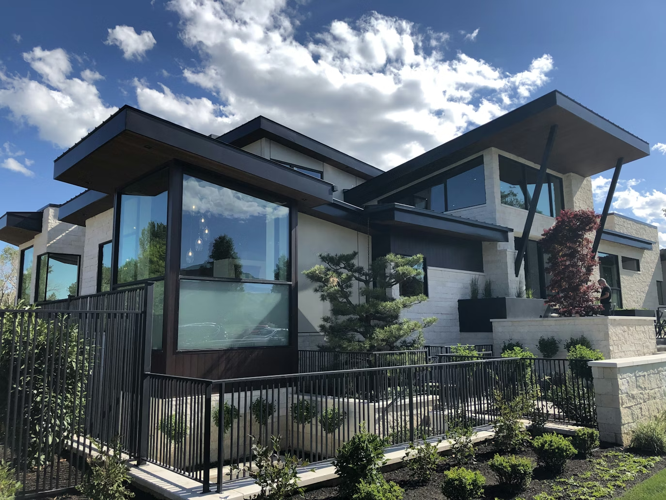
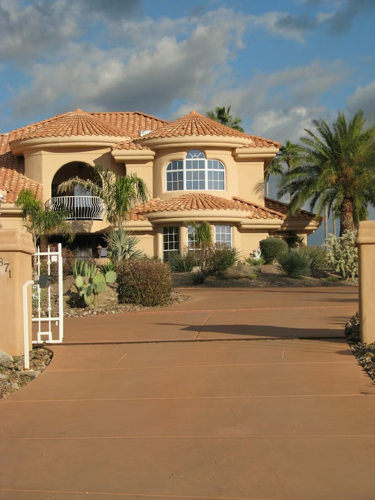
Luxury homes represent more than shelter. They are complex systems where every component must work in perfect harmony. The roof acts as the primary shield against the elements and defines the visual profile of the residence. When performance drops, the consequences reach far beyond a simple leak. Water can ruin custom masonry, rot expensive timber frames, or destroy priceless interior finishes. Maintaining an elite standard requires a deep understanding of how modern materials and environmental pressures interact. High-end property owners must stay ahead of potential issues to protect their investments.

High Standards for Upscale Exteriors
Every luxury home relies on a robust exterior to maintain its value. Choosing the right materials makes a massive difference in how the structure ages over several decades. Premium options like clay or slate offer incredible durability compared to standard shingles. A construction guide recently mentioned that these heavy materials often last 75 to 100 years. The long life of these tiles justifies their higher price through fewer needs for major work over time.
Owners often prioritize aesthetics when selecting their covering. Deep reds of Mediterranean tile or the cool grays of natural slate create a distinct look. These choices also affect how the home handles heat and moisture. Heavy tiles provide natural insulation that helps keep the interior temperature steady. This reduces the load on HVAC systems and lowers monthly utility bills. Keeping these surfaces clean prevents moss or debris from trapping moisture against the underlayment.
Navigating the Complexities of Maintenance
Maintaining a massive estate involves balancing multiple service schedules throughout the year. Finding the right team for roof replacement and repair keeps the structural integrity of the building intact for years. This proactive approach prevents small leaks from turning into massive interior renovation projects. Experts recommend having a professional walk the surface after any significant weather event.
High-end roofs often feature intricate designs with multiple valleys and peaks. These areas are prone to collecting leaves or branches that block water flow. If water pools in these spots, it can seep under the flashing. Regular clearing of these paths is a simple way to avoid costly structural damage. Professionals look for signs of wear that a typical homeowner might miss from the ground. Catching a loose tile early saves thousands of dollars in the long run.
Modern Tech in Rooftop Inspections
Technology is changing how contractors evaluate large residential structures. Climbing onto a steep, multi-story roof can be risky and time-consuming. A roofing innovation report recently highlighted that drones are transforming the industry by providing high-resolution images. These cameras allow inspectors to see every inch of the surface without ever leaving the ground. Drones can spot hairline cracks in tiles or damaged sealants around chimneys with incredible precision.
Using these tools increases safety for the crew and the homeowner. It also provides a digital record of the roof's condition over time. Owners can compare images from year to year to see how materials are aging. This data-driven approach takes the guesswork out of determining when a system needs work. Detailed thermal images can even reveal hidden moisture trapped beneath the surface.
Drone imagery for 360-degree views
Thermal cameras to detect heat loss
Digital mapping for precise measurements
AI software to predict material lifespan
Managing Weather Risks and Damage
Storms are the most frequent cause of sudden structural failure in residential areas. High winds can lift heavy tiles if they are not fastened with the correct hardware. Real estate data recently showed that 33% of homeowners replace their roofs due to storm damage. Another 33% do so because of existing leaks that became too difficult to manage. This shows how quickly environmental factors can force a major construction project.
Luxury homes often have large windows and skylights integrated into the roofline. These features are vulnerable to hail and flying debris during intense weather. Impact-resistant glass and reinforced frames provide an extra layer of security. After a storm, owners should check for any shifted tiles or cracked flashing. Small gaps allow wind to drive rain deep into the attic space. Quick action after a storm prevents mold growth and wood rot.
Innovations in Smart Monitoring
The rise of the smart home has reached the very top of the house. New sensors can now track the health of a roofing system in real time. Industry experts shared that smart roofs equipped with IoT devices can monitor weather conditions and detect leaks. These sensors alert the homeowner through a phone app the moment moisture is detected where it should not be. This technology is becoming a standard feature in ultra-luxury builds.
Real-time moisture detection alerts
Energy consumption tracking for solar roofs
Surface temperature monitoring
Structural vibration sensors for wind load
Smart systems can also manage energy use by adjusting ventilation. Proper airflow in the attic prevents heat buildup that can damage the underside of the roof. This automated management extends the life of the materials by maintaining a stable environment. It provides peace of mind for owners who travel frequently and leave their properties unattended. Knowing the home is monitoring itself reduces the stress of property management.
Future-Proofing for Resilience

Building for the future means selecting products that can withstand a variety of threats. Manufacturers are pushing the limits of what traditional materials can do. A trade publication reported that manufacturers in 2024 focused on increasing the resilience of roofing materials. New synthetic options mimic the look of wood shakes or slate while offering superior fire and impact ratings. These products are often lighter, which reduces the structural load on the rest of the building.
Resilience also involves considering the environmental footprint of the home. Many high-end owners are opting for sustainable materials like recycled metal or solar-integrated tiles. These choices improve the home's performance while supporting a greener lifestyle. Modern solar tiles blend into the roofline so well that they are almost invisible from the street.
The performance of a luxury home depends on the quality of its highest point. Every decision, from the initial material selection to the integration of smart sensors, plays a role in long-term stability. It secures the future of the home and everyone inside it for generations to come. Care and attention today prevent the disruptions of tomorrow.


(0) comments
We welcome your comments
Log In
Post a comment as Guest
Keep it Clean. Please avoid obscene, vulgar, lewd, racist or sexually-oriented language.
PLEASE TURN OFF YOUR CAPS LOCK.
Don't Threaten. Threats of harming another person will not be tolerated.
Be Truthful. Don't knowingly lie about anyone or anything.
Be Nice. No racism, sexism or any sort of -ism that is degrading to another person.
Be Proactive. Use the 'Report' link on each comment to let us know of abusive posts.
Share with Us. We'd love to hear eyewitness accounts, the history behind an article.