
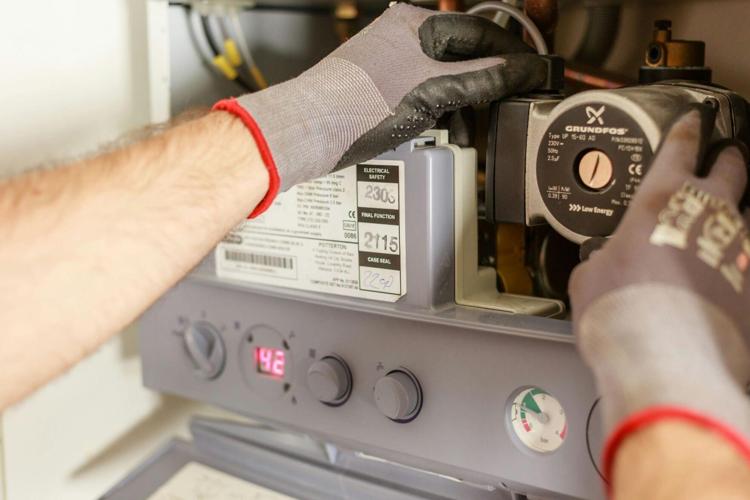

What then will you do when there is a problem with the furnace? Although the majority of people will consider checking their filters and thermostats as signs of problems, there is one part that might not get considered much by some individuals: the furnace heat exchanger.

This guide offers all the information and advice from https://www.asteraservice.com/ on cracked heat exchangers and the challenges that might arise due to them.
What Is a Furnace Heat Exchanger and Why Does It Matter?
A furnace heat exchanger is an enclosed metal structure in the furnace that keeps the combustion gases separate from the air that flows throughout your house.
The significance of this piece cannot be overlooked since it ensures:
- Create healthful indoor heating.
- Eliminate carbon monoxide leakages.
- Improve heating efficiency
- Charge the indoor air quality.
- Maintenance of reliable furnace operation.
Repeated heating and cooling of the metal may, over time, cause stress to it.
Issues can arise, such as:
- Reduced furnace efficiency
- Leaks of combustion gases.
- Increased utility bills
- Furnace shutdowns
- Potential health hazards
Because many cracks on heat exchangers are hard to detect using just the naked eye, but require the expertise of a trained individual, it is highly important to recognize indirect signs.
Warning Sign: Strange or Unusual Furnace Odors
Among the first symptoms that appear when the heat exchanger is corrupted is an unfamiliar smell out of the furnace or air vents. Though a short burning aroma at the beginning of the heating season is not a cause for alarm, intense or consistent smells should not go to waste.
The odors that may indicate a problem at the furnace are:
Smell of burning.
- A smell resembling formaldehyde.
- Fatty or foul-smelling smells.
- Odor of smoke around vents.

A bad heat exchanger can lead to gas leakage, so these smells can point to a case of overheating of its components, improper combustion, or leakage of gases.
Warning Sign: Soot, Rust, or Visible Corrosion
Observable symptoms of corrosion in the area of the furnace can also indicate heat exchanger problems. Accumulation of soot, rust, and corrosion may indicate inappropriate combustion or damage to the system related to moisture within the system.
Homeowners ought to examine the furnace area for:
- Black soot accumulation
- Rust on the components of burners.
- Corrosion of paneling in furnaces.
- Stains or condensation of water.
- Vent or burner discoloration.
An effectively operating gas furnace is expected to be clean. Overabundance of soot is an unusual indication of incomplete combustion and can occur when the flow of air or the process of combustion is obstructed by a fractured heat exchanger.
Warning Sign: Unusual Furnace Noises
There are normal sounds that the furnaces produce to operate, and any furnace making noises may reflect something inside them. A damaged heat exchanger can distend and contract irregularly as it heats up, which makes it have an atypical sound.
A furnace making noises can indicate heat exchanger damage, including:
- Banging or popping noises.
- Rattling sounds
- Noises heard during startup (clicks).
- Vibrating metal sounds
- Persistent humming changes
Such noises can be heard to be more pronounced as the furnace warms and cools down several times.
Warning Sign: Yellow or Flickering Burner Flame
How your furnace burner flame looks can tell you a lot about how your system is working. In the majority of gas furnace burners, the flame in the burner must be near blue and even.
Yellow, orange, and flickering flame can also refer to combustion issues that are associated with a faulty heat exchanger.
Characteristics that would warn would include:
- Instead of blue flame, yellow.
- Shaky or rolling movement of flame.
- Rollicing or rolling too big.
- Delayed ignition behavior
When combusted improperly, it may lead to heightened possibilities of carbon monoxide formation and low heating efficiencies.
Warning Sign: Health Symptoms or Carbon Monoxide Alerts
50,000 people in the US require urgent medical care for carbon monoxide poisoning each year. The major issue that arises with a failed heat exchanger is the emission of carbon monoxide. This is a colorless and odorless gas that may cause death because of its high concentration.
Signs of potential exposure to carbon monoxide include:
- Headaches
- Dizziness
- Nausea
- Fatigue
- Shortness of breath
- Confusion
Carbon monoxide detectors must be mounted in bedroom areas and furnace areas to give an early warning mechanism.
What to Do If You Suspect a Cracked Heat Exchanger
When you are of the opinion that the furnace heat exchanger can be broken, do not use the system until it is professionally checked.
Recommended steps include:
- Turn off the furnace
- Find a certified HVAC technician.
- Ask to have the furnaces inspected all the way.
- Change the batteries of the carbon monoxide detector now and then.
The heat exchanger can be analyzed using specific equipment that is designed to analyze the heat exchanger, such as a combustion analyzer, camera, or pressure tester.
Heat exchanger cracks in the furnace are regarded as very critical issues since they can cause various hazards in addition to affecting the safety and comfort level within your house. There are some indications, and recognizing them early on, along with the routine inspection of furnaces, will help prevent any dangers from occurring.
Here are some other articles related to your search:

(0) comments
We welcome your comments
Log In
Post a comment as Guest
Keep it Clean. Please avoid obscene, vulgar, lewd, racist or sexually-oriented language.
PLEASE TURN OFF YOUR CAPS LOCK.
Don't Threaten. Threats of harming another person will not be tolerated.
Be Truthful. Don't knowingly lie about anyone or anything.
Be Nice. No racism, sexism or any sort of -ism that is degrading to another person.
Be Proactive. Use the 'Report' link on each comment to let us know of abusive posts.
Share with Us. We'd love to hear eyewitness accounts, the history behind an article.