
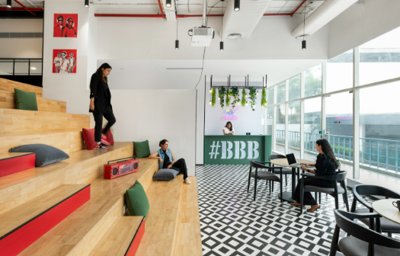

Modern workspaces are evolving to support collaboration, flexibility, and innovation. The way a space is designed can directly influence how people think and interact. Intentional design goes beyond appearance and focuses on how a space functions. Many businesses partner with Northwest Arkansas painters to create environments that support creativity and teamwork.
The Shift Toward Collaborative Workspaces
In the past, office spaces were designed with a focus on individual work and clear separation between employees. Now, many workplaces are built around communication and the free exchange of ideas. This change has influenced how modern offices are structured and used each day.
Collaborative spaces are created to make teamwork easier and more natural. They include areas for group conversations as well as spots where individuals can focus when needed. This combination helps create a more flexible and creative work environment.
The Role of Layout in Creativity
The way a workspace is arranged can shape how people connect and share ideas. Open areas make it easier for conversations to happen naturally throughout the day. At the same time, having quieter spaces gives people a place to focus without distractions.
A flexible setup also makes a big difference in how a team works. Furniture that can be moved and spaces that serve multiple purposes allow the environment to adjust as needed. This kind of adaptability helps keep energy levels up and supports ongoing productivity.
The Impact of Color on Collaboration
Color can influence mood and energy levels in a workspace. Thoughtful color choices can encourage creativity and reduce stress. Bright yet balanced tones can make a space feel inviting.
Modern workspaces are no longer judged by how polished they look on the first walkthrough. A beautiful office is nice, of course, but the real test is whether the space helps people think clearly, collaborate easily, and actually get work done without feeling as if they are trapped inside a showroom with Wi-Fi.
That is where intentional design matters. The best collaborative workspaces balance openness with focus, energy with calm, and creativity with practical day-to-day function. From layout and lighting to color, acoustics, and finish choices, every detail shapes how employees interact with the space and with one another. Many businesses work with Northwest Arkansas painters and design professionals to create offices that feel fresh, focused, and built for the way teams work today.
The Modern Office Has Changed
For years, office design was built around separation. Private offices, cubicles, conference rooms, and long hallways created a very clear sense of where work happened and how people were expected to behave. That structure worked for some tasks, but it often limited spontaneous conversation and made collaboration feel more scheduled than natural.
Today, many businesses want workspaces that support a wider range of activity. Teams need places to brainstorm, meet, focus, take calls, train, and reset. The most effective offices are not simply open or closed. They offer options. A collaborative workspace should make group work easier without making focused work impossible.
The U.S. General Services Administration highlights the importance of high-performance workplace strategies that consider the interaction between building systems, materials, and occupants. In practical terms, that means office design should serve people, not just floor plans.
Layout Shapes How People Work Together
The layout of a workspace has a direct effect on how people move, communicate, and concentrate. Open areas can encourage casual conversation and make teamwork feel more accessible. However, openness alone is not a design strategy. A room full of desks with no privacy, no sound control, and no quiet zones can quickly become exhausting.
Strong collaborative design usually includes several types of spaces. There may be open work areas for everyday team interaction, smaller rooms for meetings, quiet corners for concentration, and informal lounge areas for quick conversations. This variety allows employees to choose the right environment for the task at hand.
Research covered by Harvard Gazette has also shown that open offices do not automatically increase collaboration. In some cases, they can reduce face-to-face interaction when employees feel exposed or distracted. The lesson is simple: collaboration needs thoughtful design, not just fewer walls.
Color Can Change the Energy of a Room
Color is one of the most visible tools in workspace design, and it does more than make a room look finished. The right color palette can make an office feel calm, energized, creative, polished, or more welcoming. The wrong palette can make the same room feel cold, chaotic, or strangely similar to a waiting room where everyone forgot why they came in.
Cooler colors such as soft blues, greens, and muted neutrals can help create a sense of calm and focus. Warmer tones, including terracotta, ochre, coral, or golden beige, can add energy and warmth. Accent walls can also help define zones within a workspace, especially in offices where different areas serve different purposes.
This is one reason professional painting and finish work matter. A workspace color plan should not be chosen only because a shade looks good on a tiny sample card. It should be considered in relation to natural light, furniture, flooring, company branding, and how employees will use the space every day.
Lighting Supports Focus, Comfort, and Mood
Lighting is one of the most important elements in a productive workspace. Poor lighting can make employees feel tired, strained, or disconnected from the environment. Strong lighting design uses a mix of natural light, overhead lighting, task lighting, and softer ambient sources to support different types of work.
Natural light can make an office feel more open and comfortable, while layered artificial lighting gives teams flexibility throughout the day. A conference room may need brighter light for presentations and planning sessions, while a lounge or breakout area may benefit from softer lighting that encourages more relaxed conversation.
The CDC National Institute for Occupational Safety and Health recommends that office environments account for factors such as temperature, humidity, light, noise, airflow, space, equipment, and psychological considerations. Lighting is not just decorative. It is part of how a workplace supports comfort and health.
Good Design Creates Places to Connect
Collaboration does not always happen in formal meetings. Often, the best ideas come from quick conversations, casual questions, or those slightly chaotic moments when someone says, “This may sound strange, but what if we tried this?” A well-designed office makes room for those moments.
Comfortable seating areas, shared tables, coffee stations, and small breakout zones can encourage interaction without forcing it. These spaces give employees a place to step away from their desks, talk through ideas, or reset between tasks.
The goal is not to make the office feel like a hotel lobby. The goal is to create connection points that feel natural. When people have inviting places to gather, they are more likely to exchange ideas and build stronger working relationships.
Natural Elements Make Offices Feel More Human
Biophilic design, or the practice of bringing natural elements into built spaces, has become a major part of modern workplace design. Plants, natural wood tones, stone textures, organic shapes, and daylight can soften the feel of an office and make it more comfortable.
These details can be especially helpful in collaborative workspaces, where energy levels can shift throughout the day. A few well-placed plants, a natural color palette, or wood-accented finishes can make the environment feel calmer and more grounded.
Natural elements also pair beautifully with thoughtful paint selections. Soft greens, warm whites, clay tones, and earthy neutrals can help connect indoor workspaces with the calm, restorative feeling of the outdoors. The result feels less corporate and more livable, which is often exactly what modern teams need.
Noise Control Is Part of Collaboration
A collaborative office should not feel like a library, but it should not sound like a lunch rush either. Noise is one of the biggest challenges in open and flexible workspaces. If employees cannot hear themselves think, creativity quickly becomes survival.
Smart design uses materials and layout to manage sound. Upholstered furniture, rugs, acoustic panels, soft surfaces, ceiling treatments, and strategic wall placement can all help reduce distractions. Even paint finishes and wall treatments can contribute to the overall feel of a quieter, more controlled environment.
The Whole Building Design Guide notes that productive spaces should support concentration, communication, learning, and collaboration. That balance is important. A workspace that encourages conversation should also protect the quiet time people need to complete detailed work.
Privacy Still Matters in an Open Workspace
One of the biggest mistakes in collaborative office design is assuming that everyone wants to be visible all the time. They do not. Even the most social employees need moments of privacy to make phone calls, review sensitive information, write, think, or simply work without interruption.
Privacy does not have to mean rows of closed doors. It can be created through small focus rooms, phone booths, partial walls, sound-conscious layouts, or quiet zones. The best offices give employees control over how and where they work.
This is especially important for hybrid workplaces, where employees may come into the office for collaboration but still need to handle individual work. A strong design gives them both: spaces to connect and spaces to concentrate.
Personalization Helps Employees Feel Invested
A workspace should reflect the company, but it should also leave room for the people who use it. Personal touches can make an office feel less sterile and more connected to the team’s culture. Artwork, local photography, display shelves, branded colors, and thoughtfully styled common areas can all help build identity.
Employees are more likely to feel engaged when the environment feels intentional rather than generic. Even small design choices can make a difference. A refreshed wall color, a more welcoming entry area, or a collaborative room with personality can help signal that the workplace is cared for.
For more ideas on making interiors feel personal without overwhelming the design, see How to Incorporate Personal Touches in Your Home Decor.
Design Should Support the Way Teams Actually Work
The most successful collaborative workspaces are not designed around trends. They are designed around behavior. Before changing paint colors, moving furniture, or opening up a floor plan, businesses should consider how their teams actually work.
Do employees need more private meeting areas? Are the current work zones too loud? Is the lighting harsh? Do the colors feel dated? Are people gathering in hallways because there are no comfortable breakout spaces? These questions help guide practical design decisions.
When design choices are based on real workplace needs, the result is more than a cosmetic refresh. The office becomes a tool that supports better communication, stronger focus, and a more enjoyable workday.
A Better Workspace Starts With Intentional Choices
Intentional design can transform a modern office from a place where people simply show up into a space where they can think, collaborate, and feel comfortable doing their best work. Layout, lighting, color, acoustics, natural elements, and privacy all play a role in shaping that experience.
For businesses updating their offices, the smartest approach is to think beyond appearance. A fresh coat of paint can be powerful, but it should be part of a larger plan that supports how people move, meet, focus, and create. With help from experienced design professionals and skilled Northwest Arkansas painters, a collaborative workspace can feel polished, practical, and ready for the way modern teams work.


(0) comments
We welcome your comments
Log In
Post a comment as Guest
Keep it Clean. Please avoid obscene, vulgar, lewd, racist or sexually-oriented language.
PLEASE TURN OFF YOUR CAPS LOCK.
Don't Threaten. Threats of harming another person will not be tolerated.
Be Truthful. Don't knowingly lie about anyone or anything.
Be Nice. No racism, sexism or any sort of -ism that is degrading to another person.
Be Proactive. Use the 'Report' link on each comment to let us know of abusive posts.
Share with Us. We'd love to hear eyewitness accounts, the history behind an article.