
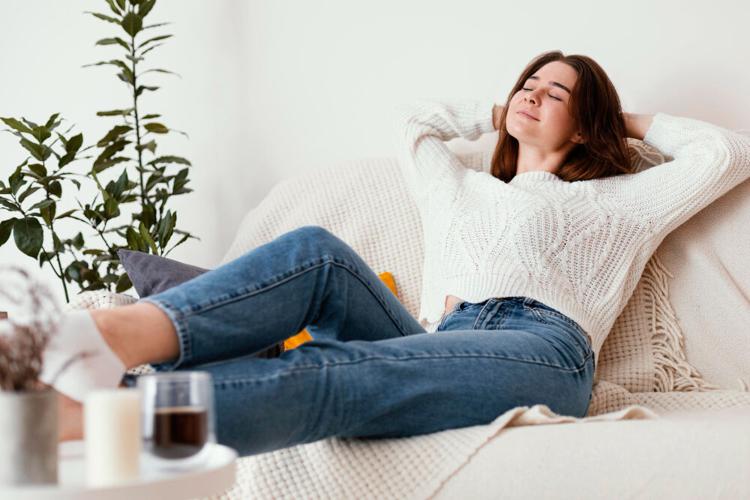


In today's fast-paced world, juggling multiple responsibilities and obligations has become the norm for many people. From demanding careers to family commitments and social obligations, it's easy to feel overwhelmed and stressed out. However, amidst the chaos of modern-day living, it's essential to prioritize relaxation and self-care to maintain balance and well-being. In this blog, we'll explore the importance of relaxation in navigating a busy lifestyle with ease, discuss various relaxation techniques, and provide practical tips for integrating relaxation into daily life.
The Importance of Relaxation
Relaxation isn't just about taking a break or indulging in leisure activities; it's a vital component of overall health and well-being. When we're constantly stressed and on the go, our bodies and minds can become overworked, leading to physical and mental health issues. Incorporating relaxation into our daily routines helps to reduce stress, improve sleep quality, and promote a sense of calm and balance. Research has shown that regular relaxation practices, such as mindfulness meditation and deep breathing exercises, can lower blood pressure, reduce anxiety, and enhance mood. By prioritizing relaxation, we can protect our health, boost resilience to stress, and improve our overall quality of life with the aid of a relaxation device.
Understanding Different Relaxation Techniques
Understanding different relaxation techniques is essential for finding the most effective approach to managing stress and promoting well-being. Each technique offers unique benefits and approaches to achieving a state of relaxation, allowing individuals to tailor their practices to suit their preferences and lifestyles. Mindfulness meditation, for example, involves focusing on the present moment and observing thoughts and sensations without judgment. This practice helps to cultivate awareness, reduce stress, and promote a sense of inner peace. Similarly, deep breathing exercises involve slow, deliberate breathing patterns that activate the body's relaxation response, leading to decreased heart rate and muscle tension. Understanding the benefits of breathwork can motivate individuals to practice it regularly, enhancing their overall well-being and stress management capabilities. By exploring various relaxation techniques, individuals can identify the ones that resonate most with them and incorporate them into their daily routines for maximum benefit.
In addition to mindfulness meditation and deep breathing exercises, there are several other relaxation techniques that individuals can explore to promote relaxation and reduce stress. Progressive muscle relaxation, for instance, involves tensing and then releasing different muscle groups to promote relaxation and alleviate physical tension. This technique is particularly effective for individuals who carry tension in their muscles due to stress or anxiety. Some people also find that natural calming aids like a kava shot can complement these practices by enhancing relaxation and easing mental stress. Other relaxation techniques, such as guided imagery, autogenic training, and yoga, offer additional approaches to achieving a state of relaxation and promoting overall well-being. By experimenting with different relaxation techniques, individuals can discover the ones that work best for them and incorporate them into their daily routines to manage stress and foster a sense of calm and balance in their lives.
Creating a Relaxation Routine
Establishing a consistent relaxation routine is key to managing stress and promoting relaxation in our daily lives. Setting aside dedicated time for relaxation, whether it's in the morning before starting the day or in the evening before bedtime, helps to ensure that we prioritize self-care amidst our busy schedules. Creating a calming environment, free from distractions and interruptions, can enhance the effectiveness of relaxation practices. Whether it's lighting candles, playing soothing music, or practicing relaxation exercises in a quiet room, finding a space where we feel relaxed and at ease is essential. It’s not just creating an environment that’s conducive to relaxation that works, but finding joy in guilty pleasures can be relaxing too. Whether it’s eating your favorite snacks, storing Prime Time Cigars and enjoying them, or playing video games, it’s nice to get out of the daily grind and let loose. Additionally, integrating relaxation into daily activities, such as practicing mindfulness while walking or taking mini relaxation breaks throughout the day, can help to maintain a sense of calm and balance amidst the hustle and bustle of daily life.
Overcoming Common Barriers to Relaxation
Overcoming common barriers to relaxation is crucial for individuals seeking to integrate relaxation practices into their daily lives effectively. One common barrier is the perception of not having enough time for relaxation amidst busy schedules. However, it's essential to recognize that even small increments of time dedicated to relaxation can have significant benefits for overall well-being. By prioritizing self-care and setting aside dedicated time for relaxation, individuals can overcome this barrier and make relaxation a regular part of their routines.
Another common barrier to relaxation is difficulty switching off from work or technology, which can hinder the ability to unwind and relax fully. To overcome this barrier, individuals can establish boundaries between work and personal life, such as setting designated times for relaxation and disconnecting from work-related devices during these periods. Additionally, practicing mindfulness techniques, such as mindful breathing or guided imagery, can help individuals focus their attention away from work-related stressors and technology distractions, allowing them to relax and recharge effectively. By recognizing and addressing common barriers to relaxation, individuals can cultivate a sense of calm and balance in their lives, even amidst busy schedules and external stressors.
The Role of Relaxation in Achieving Work-Life Balance
Achieving a healthy work-life balance is essential for overall well-being and satisfaction. Incorporating relaxation into our daily routines plays a crucial role in achieving this balance. By setting boundaries between work and personal life, such as turning off email notifications outside of working hours or designating specific times for relaxation and leisure activities, we can prevent burnout and maintain a sense of balance. Managing time effectively and prioritizing self-care allows us to recharge our batteries and show up fully present and engaged in both our professional and personal lives. Creating a supportive work environment that values employee well-being and encourages work-life balance is essential for fostering a culture of relaxation and self-care. By prioritizing relaxation and self-care, individuals can navigate a busy lifestyle with ease, maintain balance and well-being, and thrive in all areas of their lives.

In today's hectic world, relaxation is more important than ever for managing stress, promoting well-being, and achieving a healthy work-life balance. By understanding the importance of relaxation, exploring different relaxation techniques, creating a relaxation routine, overcoming common barriers to relaxation, and prioritizing self-care, individuals can navigate a busy lifestyle with ease. Incorporating relaxation into daily life helps to reduce stress, improve sleep quality, and promote a sense of calm and balance amidst the hustle and bustle of modern-day living. By prioritizing relaxation and self-care, individuals can protect their health, boost resilience to stress, and live happier, healthier lives.




(0) comments
We welcome your comments
Log In
Post a comment as Guest
Keep it Clean. Please avoid obscene, vulgar, lewd, racist or sexually-oriented language.
PLEASE TURN OFF YOUR CAPS LOCK.
Don't Threaten. Threats of harming another person will not be tolerated.
Be Truthful. Don't knowingly lie about anyone or anything.
Be Nice. No racism, sexism or any sort of -ism that is degrading to another person.
Be Proactive. Use the 'Report' link on each comment to let us know of abusive posts.
Share with Us. We'd love to hear eyewitness accounts, the history behind an article.