
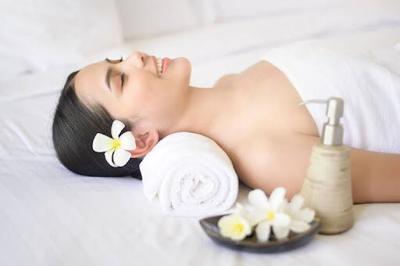

A great spa has a way of making real life feel very far away, even if real life is technically waiting in the parking lot with unread texts, a half-empty water bottle, and someone asking what is for dinner. The best spas understand that relaxation is not created by one thing. It is the lighting, the scent, the quiet, the skill of the therapist, the cleanliness of the space, and the small details that make a guest feel cared for before the treatment even begins.
That is what separates a forgettable spa visit from a truly luxurious one. It is not simply about expensive products or a pretty waiting room. A spa should feel calm, professional, polished, and deeply intentional. Whether it is part of a resort, a boutique wellness studio, or a beautifully designed hotel, the experience should help guests slow down almost immediately.
The Atmosphere Should Do Half the Work
The atmosphere is usually the first thing a guest notices. Before anyone lies down for a massage or steps into a facial room, the spa has already made an impression. Harsh overhead lighting, loud hallways, cluttered counters, and a chaotic reception desk are not exactly whispering, “Please release your stress.” They are more likely saying, “We also forgot where we put the intake form.”
A luxurious spa should feel calm from the entrance. Soft lighting, clean design, natural materials, and a soothing color palette help create that sense of ease. Warm wood, stone, linen, soft neutrals, greenery, and quiet textures can all make the space feel elevated without becoming sterile. The goal is serenity, not a showroom where guests are afraid to touch anything.
Sound matters too. Gentle music, quiet treatment rooms, and thoughtful spacing between guests can make a huge difference. Mayo Clinic includes music and art therapy, aromatherapy, hydrotherapy, meditation, massage, and deep breathing among relaxation techniques, which is a good reminder that a spa experience often works through several senses at once. Mayo Clinic’s relaxation guidance reinforces how much environment and practice can contribute to stress reduction.
Cleanliness Is Part of the Luxury
A beautiful spa only feels luxurious if it also feels immaculate. Cleanliness is not the glamorous part of the experience, but it may be the most important. Fresh linens, spotless floors, organized treatment rooms, sanitized tools, tidy showers, clean robes, and well-maintained wet areas are nonnegotiable.
Guests may not notice every perfectly folded towel, but they will absolutely notice the one that looks tired, damp, or suspiciously well-traveled. A spa should never make guests wonder about hygiene. The best spaces make cleanliness feel effortless, which usually means someone is working very hard behind the scenes.
This also applies to scent. A spa should smell clean, calming, and subtle. Fragrance can help set the mood, but it should never feel like the room is trying to wrestle everyone into relaxation with eucalyptus. A soft signature scent can be lovely. A fog of essential oils strong enough to season a salad is another matter.
The Staff Should Make Guests Feel Instantly Comfortable
Expert staff can transform the entire spa experience. A guest should feel welcomed, understood, and guided, not rushed through a treatment menu like they are ordering lunch under pressure. The best spa professionals ask thoughtful questions, explain treatments clearly, and respect personal comfort levels.
That first consultation matters. Guests may have sensitive skin, muscle tension, recent procedures, allergies, pregnancy considerations, injuries, or simply strong preferences about pressure, temperature, or product fragrance. A skilled therapist or aesthetician knows how to listen before beginning.
Professionalism is also part of comfort. Guests should understand what to expect, where to change, what will happen during the service, and how to communicate if something does not feel right. A truly polished spa experience removes awkwardness. No one should be lying under a sheet wondering whether they misunderstood the robe situation.
Treatments Should Feel Thoughtful, Not Trendy for the Sake of It
A strong spa menu should offer variety without becoming overwhelming. Massages, facials, body treatments, scrubs, wraps, hydrotherapy, and wellness rituals can all have a place, but the best menus are curated. More is not always better. A twelve-page treatment menu can start to feel less luxurious and more like homework.
The treatments should match the spa’s identity. A resort spa may focus on full-body relaxation, couples experiences, and destination-inspired rituals. A medical spa may focus more on results-driven skincare and advanced treatments. A boutique day spa may specialize in massage, facials, and restorative self-care. Whatever the concept, the menu should feel cohesive.
Massage remains one of the most familiar spa treatments for good reason. Cleveland Clinic notes that therapeutic massage may help reduce stress, relieve achy muscles, improve mood, and support better sleep for some people. Cleveland Clinic’s overview of therapeutic massage is a helpful authority source for readers who want a broader wellness context.
Products Should Support the Experience
Products can make a treatment feel more elevated, but only when they are used thoughtfully. High-quality oils, creams, masks, exfoliants, and skincare products should feel good on the skin and fit the purpose of the treatment. They should also be explained in a way that feels informative, not like the guest has wandered into a sales pitch while wearing a robe.
The best spas know how to educate without pressuring. A facialist might explain why a certain mask is calming or why a gentle exfoliant is better than something aggressive. A massage therapist might recommend hydration or a warm bath later in the day. That kind of advice feels helpful. A hard sell at checkout can undo ninety minutes of bliss in approximately seven seconds.
For guests with sensitive skin or fragrance concerns, product transparency matters. Clear ingredient awareness, patch-test options when appropriate, and a willingness to adjust products can make the experience feel safer and more personalized.
Relaxation Should Continue After the Treatment
A spa visit should not feel like it ends the moment the treatment room door opens. The transition back into the world matters. A quiet relaxation lounge, herbal tea, infused water, soft seating, warm towels, and a few unrushed minutes can help guests hold onto that calmer state a little longer.
This is where many spas either shine or fall apart. Nothing ruins the mood quite like being handed a receipt, pointed toward the exit, and returned to daylight before your nervous system has fully rejoined society. A better spa experience gives guests space to linger.
For readers interested in the broader science around massage, the National Center for Complementary and Integrative Health offers an overview of what research says about massage therapy and health. NCCIH’s massage therapy science summary is useful for understanding where evidence is stronger, where it is still developing, and why expectations should stay realistic.
Design Details Make the Spa Feel Memorable
Luxury often lives in the details. A perfectly weighted robe. A treatment bed that is actually comfortable. Hooks placed where guests need them. Lighting that flatters everyone, because nobody needs spa lighting that feels like a dressing room interrogation. Warm towels. Quiet doors. Thoughtful signage. A beautiful vanity area. Enough privacy to feel relaxed, but enough guidance to avoid confusion.
These details may seem small, but they shape the entire experience. A spa should feel intuitive. Guests should not have to hunt for the changing room, wonder where to put their jewelry, or decode a maze of hallways while barefoot and mildly moisturized.
Design should also support the type of spa experience being offered. A coastal resort spa may lean into natural textures, ocean tones, and breezy relaxation. A mountain spa may use stone, wood, fireplaces, and cozy treatment spaces. An urban spa may feel sleek, quiet, and cocoon-like. The best spas know who they are.
Personalization Is What Makes It Feel Truly Special
The perfect spa experience is not identical for every guest. Some people want deep pressure and silence. Others want a gentle massage and a little guidance. Some want advanced skincare; others want to look less tired without being told they look tired. A good spa pays attention.
Personalization can be simple. Asking about pressure preference. Offering fragrance-free products. Adjusting the table temperature. Recommending the right facial for the guest’s skin instead of the most expensive one. Remembering returning guests. These small choices make people feel seen rather than processed.
That is the difference between a spa that feels pleasant and a spa that earns loyalty. Luxury is not always about extravagance. Sometimes it is simply about not making the guest explain the same thing three times while standing in slippers.
The Best Spa Experience Feels Effortless
A perfect spa is not perfect because of one grand feature. It is perfect because everything works together. The atmosphere is calm. The staff is skilled. The space is clean. The treatments are thoughtful. The products are well chosen. The design supports relaxation. The guest feels guided, cared for, and never rushed.
That kind of experience does not happen by accident. It is designed, maintained, and refined. When done well, a spa becomes more than a place to get a massage or facial. It becomes a pause button. A reset. A reminder that calm is not just a luxury, even if the robe is extremely good.
For readers who enjoy elevated wellness travel and local spa experiences, FINE has also featured restorative destinations such as The Spa at Torrey Pines, luxurious facials at The Spa at Torrey Pines, and South Coast Winery Resort and Spa in Temecula.



(0) comments
We welcome your comments
Log In
Post a comment as Guest
Keep it Clean. Please avoid obscene, vulgar, lewd, racist or sexually-oriented language.
PLEASE TURN OFF YOUR CAPS LOCK.
Don't Threaten. Threats of harming another person will not be tolerated.
Be Truthful. Don't knowingly lie about anyone or anything.
Be Nice. No racism, sexism or any sort of -ism that is degrading to another person.
Be Proactive. Use the 'Report' link on each comment to let us know of abusive posts.
Share with Us. We'd love to hear eyewitness accounts, the history behind an article.