
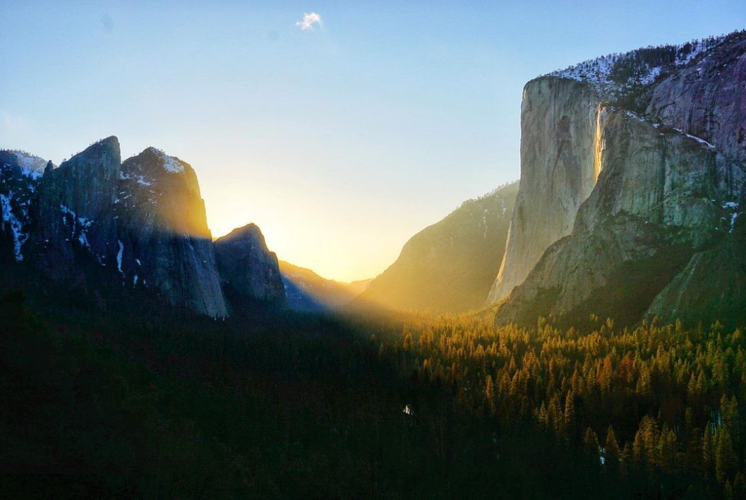

Each February, a narrow seasonal waterfall on the eastern face of El Capitan can appear to glow like molten fire. The phenomenon lasts only a few minutes, happens only when several natural conditions align, and attracts photographers and travelers from around the world.
Known as Yosemite’s Firefall, the spectacle is not an actual fire. It occurs when the setting sun illuminates Horsetail Fall at precisely the right angle, turning the falling water shades of gold, orange and red.
The photographs can look almost unreal. Seeing the phenomenon in person, however, requires more than arriving in Yosemite Valley shortly before sunset. Visitors must prepare for winter weather, limited parking, long walks and the possibility that clouds or low water will prevent the effect from appearing at all.
There is no guaranteed way to see Yosemite’s Firefall without other visitors. It has become one of the park’s most anticipated winter events. There are, however, ways to avoid some of the most stressful parts of the experience.
What Creates Yosemite’s Firefall
Horsetail Fall is a seasonal waterfall that flows over the eastern side of El Capitan. Unlike Yosemite Falls and Bridalveil Fall, it does not flow strongly throughout the year.
For the Firefall effect to appear, several things must happen at the same time. Horsetail Fall needs enough water from recent rain or melting snow. The western horizon must remain clear as the sun sets. Clouds cannot obstruct the sunlight, and viewers must be positioned where the angle of the light is visible.
When those conditions align, the waterfall may begin glowing shortly before sunset. Its appearance can shift from pale gold to deep orange before the light disappears.
The entire display may last only several minutes.
Even during the expected viewing period, there is no guarantee that Firefall will appear. A dry winter can leave Horsetail Fall with little water, while a cloudy evening can block the sunlight completely. Travelers who consider the phenomenon a priority should plan more than one evening in Yosemite whenever possible.
When to See Yosemite’s Firefall

The Firefall effect generally becomes possible during a limited period in mid-to-late February. Exact dates and access procedures can change from year to year.
Before planning a trip, consult the National Park Service’s official Horsetail Fall information. The park publishes current guidance covering viewing areas, parking restrictions, road conditions and any special visitor-management measures.
Do not rely solely on an older article, social media post or lodge promotion. Yosemite has used different reservation and traffic-management systems during different years.
For example, Yosemite did not require a general entrance reservation in 2026, although the standard park entrance fee still applied. Future rules may be different, so travelers should verify requirements for the specific year of their visit.
Why Seeing Firefall Can Be Difficult
Firefall is often presented online as a peaceful winter encounter with nature. The reality can be far busier.
Thousands of people may arrive in Yosemite Valley during the likely viewing period. Parking near El Capitan can fill early, and temporary traffic controls may limit where visitors can stop or walk. Depending on current park procedures, reaching the viewing area may involve walking more than a mile each way.
The return trip takes place after sunset, when temperatures can fall quickly and pathways may be dark, icy or covered with snow.
Visitors should arrive with realistic expectations. A successful Firefall trip requires patience, warm clothing and enough flexibility to accept that nature may not cooperate.
The objective should not be to find a completely private viewpoint. It should be to plan responsibly, reduce unnecessary driving and avoid creating additional congestion in Yosemite Valley.
A Guided Shuttle Can Simplify the Experience
One way to reduce parking and navigation concerns is to reserve a guided shuttle from lodging outside Yosemite Valley.
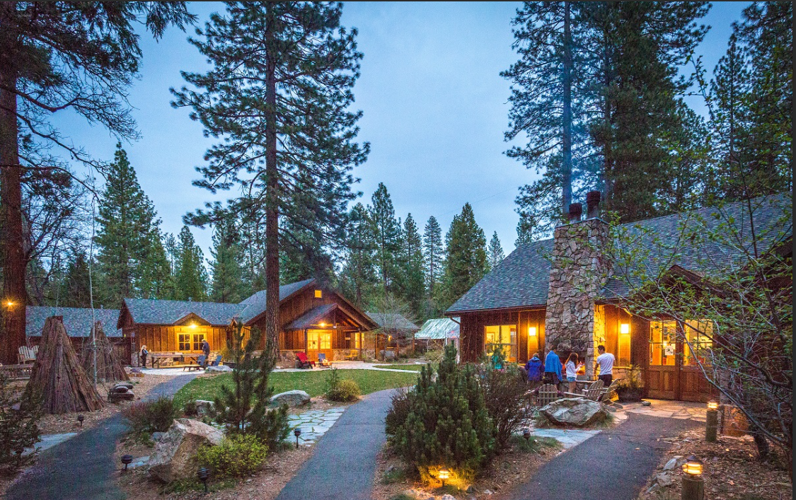
Rush Creek Lodge and Evergreen Lodge have offered a seasonal Yosemite Firefall Express on selected February dates. The excursion typically transports participants from the lodge area into Yosemite Valley and assists them in finding an appropriate viewing location.
This can be especially useful for travelers who are uncomfortable driving mountain roads after dark or who do not want to spend the afternoon searching for parking.
The service does not make Firefall private or crowd-free. Participants still enter a popular national park viewing area and may encounter substantial numbers of people. Its main advantages are organized transportation, local guidance and the elimination of the need to park a personal vehicle near the viewing zone.
According to the published 2026 itinerary, the Rush Creek Lodge excursion operated from approximately 2 to 8 p.m., required participants to be at least eight years old and involved walking more than a mile on relatively flat ground. Prices, dates, inclusions and age requirements can change, so travelers should check the current Yosemite Firefall Express details before booking.
Guests do not necessarily need to stay at the participating lodge to reserve an excursion, but availability may be limited.
How to Plan an Independent Firefall Visit
Travelers can also visit independently. The key is to allow considerably more time than the sunset itself requires.
Start by checking the National Park Service website for the year’s official viewing dates and traffic plan. Review current road conditions before leaving, particularly when approaching Yosemite through mountain passes or higher elevations.
Arrive in Yosemite Valley well before sunset. Waiting until late afternoon increases the risk of encountering full parking areas, heavy traffic or long walks that leave too little time to reach the viewing location.
The most commonly designated viewing area has historically been east of the El Capitan Picnic Area, although the exact access plan should always be confirmed with the park.
Download maps and important information before entering Yosemite. Cellular service can be unreliable in parts of the park, and it is unwise to depend on a live map after dark.
Visitors should also decide in advance how they will return to their vehicle. A trail or roadside route that appears obvious in daylight can be difficult to follow once the sun has set.
What to Bring for a February Evening
Firefall viewing involves standing outdoors during one of Yosemite’s coldest seasons. Even a mild afternoon can become sharply colder after sunset.
Bring insulated layers, a waterproof outer layer, gloves and a warm hat. Wear sturdy shoes with traction rather than casual sneakers with smooth soles. Snow and ice may remain on roadsides and walking routes even when the valley floor appears mostly clear.
Every person should carry water, food and a flashlight or headlamp. A portable battery is also useful because cold temperatures can drain phone and camera batteries more quickly.
Photographers should bring a stable tripod and become familiar with their equipment before sunset. Firefall changes rapidly, leaving little time to troubleshoot unfamiliar settings.
Avoid blocking pathways with tripods, chairs or equipment. Respect closures, remain in designated areas and pack out everything brought into the park.
Where to Stay Near Yosemite

Staying close to the park can make the experience considerably easier, particularly for travelers hoping to attempt Firefall on more than one evening.
Accommodations inside Yosemite Valley provide the shortest return after viewing but can sell out well in advance. The historic Ahwahnee offers the park’s most refined traditional lodging, while Yosemite Valley Lodge provides a convenient location near several major landmarks.
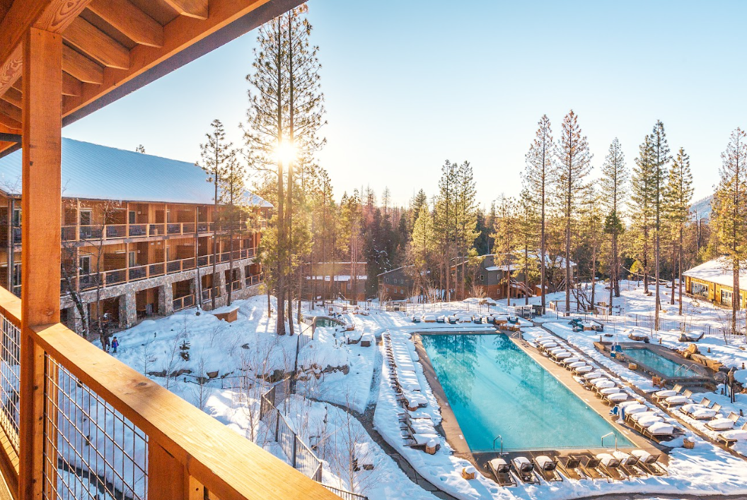
Outside the park, Rush Creek Lodge and Evergreen Lodge offer cabins, dining and guided excursions near the Highway 120 entrance. Firefall Ranch provides another upscale option in the Groveland area.
Travelers seeking a broader outdoor experience can also explore FINE Magazine’s guide to the best ways to camp at Yosemite.
Whichever property you choose, examine winter driving distances carefully. A hotel described as being “near Yosemite” may still be a lengthy drive from Yosemite Valley.
How to Make the Trip More Rewarding
Firefall should be one part of a winter Yosemite itinerary rather than the sole reason for making the journey.
Spend the morning exploring Yosemite Valley, where snow can bring a quieter character to familiar landmarks. Lower Yosemite Fall, Cook’s Meadow and Tunnel View may all offer memorable winter scenery, subject to current access and trail conditions.
Allow time for a relaxed lunch and a warm break before heading to the viewing area. Visitors who arrive exhausted, cold and rushed are less likely to enjoy the evening, whether Firefall appears or not.
A winter trip also rewards flexibility. Weather can close roads, change trail conditions or obscure the sunset. A thoughtful itinerary should include alternatives such as scenic drives, short valley walks and time at the lodge.
For travelers watching expenses, FINE’s guide to planning memorable travel without overspending offers additional ways to control transportation and lodging costs.
A Spectacle That Cannot Be Guaranteed
Yosemite’s Firefall is compelling precisely because it cannot be scheduled or manufactured. The park can manage traffic and travelers can reserve transportation, but no one can guarantee flowing water, a clear horizon and perfect light.
The best Firefall experience begins with accurate information and realistic expectations.
Plan early, verify the current year’s rules, prepare for winter conditions and consider guided transportation when it makes the evening easier. Then allow Yosemite to determine the final outcome.
Even when Horsetail Fall does not ignite with color, an evening beneath El Capitan remains one of California’s most memorable winter experiences.
Related Articles You May Enjoy From FINE Magazine
Best Ways to Camp at Yosemite for an Unforgettable Experience
Wanderlust on a Budget: Smart Ways to Travel Without Going Broke
(0) comments
We welcome your comments
Log In
Post a comment as Guest
Keep it Clean. Please avoid obscene, vulgar, lewd, racist or sexually-oriented language.
PLEASE TURN OFF YOUR CAPS LOCK.
Don't Threaten. Threats of harming another person will not be tolerated.
Be Truthful. Don't knowingly lie about anyone or anything.
Be Nice. No racism, sexism or any sort of -ism that is degrading to another person.
Be Proactive. Use the 'Report' link on each comment to let us know of abusive posts.
Share with Us. We'd love to hear eyewitness accounts, the history behind an article.