
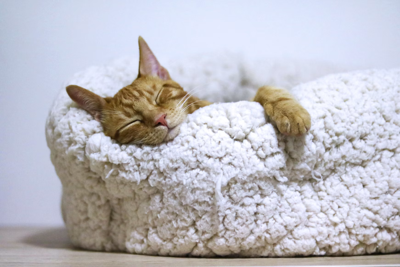

Older cats often need small changes at home to stay comfortable, confident and connected to family life. Age can bring reduced mobility, weaker vision, changes in appetite and a greater need for rest, yet many cats continue enjoying familiar rooms and daily rituals well into their senior years.
A serene home supports those changing needs without removing the places and activities your cat already loves. Soft sleeping areas, easy routes between essential resources, and a consistent schedule can reduce physical strain and help you notice health changes sooner.
Comfortable Corners and Cozy Beds
Senior cats may sleep for much of the day, so the location and design of their resting areas deserve careful thought. Place several beds in warm, quiet parts of the home, including at least one near the family’s main living space. This gives your cat the option to rest close to you without being disturbed by constant foot traffic.
Choose beds with low sides that are easy to step over. A firm foam base can support stiff joints more effectively than a thin cushion that collapses under the cat’s weight. Washable covers also make it easier to keep the sleeping area clean if grooming becomes difficult or an older cat has an occasional accident.
Warmth matters because senior cats may have trouble regulating their body temperature. Keep beds away from cold floors, drafts, and direct airflow from heating or cooling vents. A folded blanket adds insulation, though heated pet pads should have built-in temperature controls and enough open space for the cat to move away.
Observe where your cat naturally settles before rearranging a room. The best examples of age-adapted home design preserve familiar locations while reducing barriers. If your cat has always slept beside a particular window, place a low bed or stable platform there instead of moving the resting spot across the house.
Accessible Spaces for Senior Felines
Look at your home from floor level and map the routes your cat uses every day. Food, water, litter boxes, and favorite resting areas should be reachable without slippery floors, steep jumps, or long flights of stairs. Senior cat home safety often comes down to shortening these routes and improving traction.
Add non-slip runners to wood, tile, or laminate floors, especially near beds and feeding stations. Secure each rug with a grippy backing so it doesn’t slide when your cat steps onto it. Night-lights near hallways, stairs and litter boxes can help cats whose vision has declined.
A low, sturdy step can restore access to a sofa or windowsill. For a higher surface, use a short series of broad platforms with textured tops. Active older cats may still enjoy vertical space, and senior-friendly climbing areas can provide elevation without requiring one demanding leap. Check that shelves and steps don’t wobble before allowing access.
Mobility changes may also signal arthritis or another medical concern, so discuss new hesitation, limping, or difficulty standing with a veterinarian.
Nutrition and Hydration Stations
Set up food and water where your cat can reach them easily and eat without feeling exposed. A quiet corner away from loud appliances, busy doors, and other pets usually works well. If your home has more than one level, provide a water station on each floor your cat uses.
Raised bowls may help some cats with neck or joint stiffness, but the correct height depends on the individual animal. The rim should allow a relaxed stance without forcing the cat to stretch upward. Wide, shallow dishes can also reduce contact with sensitive whiskers. Use stable bowls that won’t travel across the floor during a meal.
Fresh water supports kidney and urinary health, both of which become particular concerns as cats age. Put water a short distance from food and litter areas, then test several bowl materials and locations. Some cats prefer a broad ceramic dish, while others drink more readily from a circulating fountain. Clean bowls daily and fountains according to the manufacturer’s directions because residue can develop in pumps and filters.
Changes in appetite or thirst deserve attention. Keep a simple daily note if your cat begins leaving food, visiting the water bowl more often, or losing weight. Avoid making major dietary changes without veterinary guidance, particularly when a cat has a diagnosed medical condition. Your veterinarian may recommend wet food, a different nutrient profile, or smaller meals served more frequently based on an examination and test results.
Maintaining a Predictable Routine
Familiar timing can make home life easier for an aging cat. Serve meals, refresh water, clean litter boxes, and offer medication at roughly the same times each day. Consistency helps you recognize departures from normal behavior, such as a missed breakfast or an unusually long period spent hiding.
Keep household changes gradual when possible. Move a bed or bowl only a short distance at first, then watch how your cat responds. If you need to relocate a litter box, place a second box in the new location before removing the original. This overlap gives the cat time to learn the new route without losing access to a familiar resource.
Gentle interaction should remain part of the schedule. Short play sessions with a soft wand toy can support movement and mental engagement, though the pace should follow your cat’s comfort. Stop if you notice panting, repeated hesitation, or signs of pain. Quiet grooming sessions can also help, especially if stiffness makes it hard for the cat to reach the lower back.
Newly adopted older cats benefit from an even smaller, calmer starting area. Giving them time to become familiar with one secure room before expanding access is important. Keep visitors and noise limited during this adjustment period, and let the cat approach people at its own pace.
Planning for Lifelong Cat Health
A serene home works best when it forms part of a wider health plan. Schedule veterinary examinations as recommended and keep notes on changes in eating, drinking, grooming, movement, and litter box habits. Videos recorded at home can also help when symptoms, such as an uneven walk, don’t appear during an appointment.
Check your cat regularly for matted fur, overgrown nails, swelling, unusual odors, and changes in body condition. Dental health matters too, and caring for your cat’s teeth can help reduce the risk of problems that may show up as dropping food, chewing on one side, or avoiding dry food.
As cats get older, diagnostic tests, medication, and ongoing treatment can become a larger part of the household budget. Owners planning ahead may want to compare Healthy Pets senior cat insurance alongside their cat’s existing care plan, paying close attention to cover limits, exclusions, and age-related terms.
Keep carriers accessible with familiar bedding inside, and store medical records, medication instructions, and emergency contacts in one place. Pay attention to changes instead of dismissing them as normal aging. A cat that stops jumping, misses the litter box, or withdraws from social contact may be showing signs of pain or illness.
Familiar comforts, such as a favorite window, warm blanket, and regular mealtimes, can remain reassuring through the senior years as your cat’s physical needs change.
Post a comment as Guest
Report
Watch this discussion.
(0) comments
We welcome your comments
Log In
Post a comment as Guest
Keep it Clean. Please avoid obscene, vulgar, lewd, racist or sexually-oriented language.
PLEASE TURN OFF YOUR CAPS LOCK.
Don't Threaten. Threats of harming another person will not be tolerated.
Be Truthful. Don't knowingly lie about anyone or anything.
Be Nice. No racism, sexism or any sort of -ism that is degrading to another person.
Be Proactive. Use the 'Report' link on each comment to let us know of abusive posts.
Share with Us. We'd love to hear eyewitness accounts, the history behind an article.