
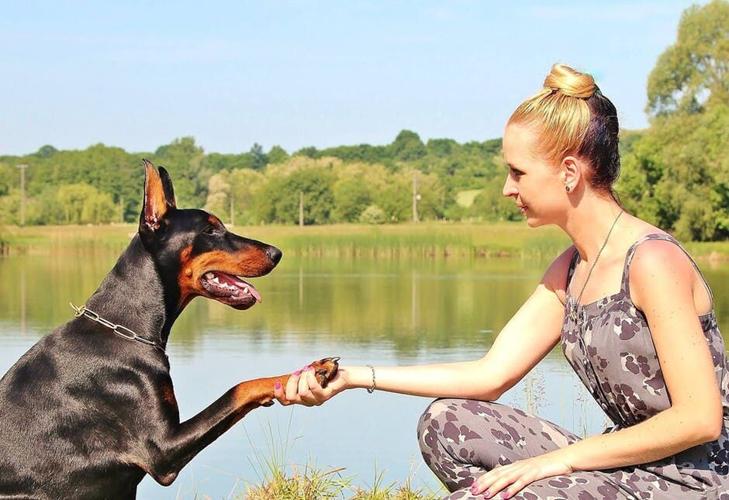

Dogs are often referred to as man's best friend, and with good reason. They provide us with companionship, unconditional love, and unwavering loyalty. However, owning a dog also comes with its own set of challenges, especially when it comes to their behavior. From excessive barking and chewing to jumping on guests and pulling on the leash during walks, these behaviors can be frustrating and even disruptive. But fear not, with the right tools and techniques, you can unleash the good boy within your furry companion. In this guide, we will share seven useful tips for perfect dog behavior that will help you build a stronger bond with your furry friend and improve their behavior. Whether you are a first-time dog owner or have had dogs your whole life, these tips will come in handy for training and maintaining good behavior in your canine companion.

Understanding Your Dog's Behavior: Common Triggers and Motivators
To effectively train and improve your dog's behavior, it is important to understand the underlying reasons behind their actions. Dogs are highly social animals and their behaviors are often triggered by external stimuli or motivated by internal needs. For example, excessive barking could be a response to boredom or separation anxiety, while chewing may be a result of teething or seeking attention. By observing your dog's behavior and identifying their triggers and motivators, you can tailor your training methods and address the root cause of their behaviors. This will not only help in correcting unwanted behaviors but also strengthen the bond between you and your dog.
Establishing a Consistent Routine for Your Dog's Daily Life
Dogs thrive on structure and predictability, so having a set schedule for feeding, playtime, walks, and training will help them feel secure and reduce any anxiety or frustration they may experience. If you're from Austin, Texas, consider Austin dog training or enrolling in obedience classes with a professional trainer to establish a consistent routine and reinforce positive behaviors. Consistency is key in training your dog, so make sure everyone in the household follows the same routine and uses the same commands when interacting with your furry friend. This will help in improving their behavior and create a harmonious environment for both you and your dog.
Positive Reinforcement: The Key to Training Success
Positive reinforcement is an important aspect of training any dog and it involves rewarding desired behaviors with treats, praise, or affection. This technique works by associating the desired behavior with a positive consequence, making it more likely for your dog to repeat that behavior in the future. Positive reinforcement helps correct unwanted behaviors and strengthens the bond between you and your dog. Be consistent and use positive reinforcement immediately after the desired behavior is exhibited, as this will reinforce the connection between the behavior and the reward. The most effective programs focus on short, daily sessions that reward calm behavior, and top-rated dog training services in Atlanta stress precise timing and consistent cues that fit busy intown routines. Start indoors, then practice near Piedmont Park or along the BeltLine once your dog stays responsive.
With our target on: top-rated dog training services in Atlanta

Setting Boundaries: The Importance of Discipline and Structure
Setting boundaries for your dog is important in establishing discipline and structure, which are essential for good behavior. This includes teaching them basic commands such as "sit," "stay," and "leave it," as well as enforcing rules such as not jumping on furniture or begging during mealtimes. Consistency is key when setting boundaries, so enforce them every time they are broken. This will help your dog understand what is expected of them and what behaviors are not acceptable. Always use positive reinforcement when your dog follows the boundaries, and avoid using physical punishment as it can lead to fear and aggression in dogs.
Socialization Skills: Helping Your Dog Interact with Others
Socialization helps your dog develop confidence, learn appropriate social cues, and become comfortable in different situations. Start socializing your dog at a young age, as they are more open to new experiences during their developmental stages. Gradually introduce them to different people, dogs, and environments in a positive and controlled manner. This will help them become comfortable around new individuals and prevent fear or aggression towards strangers or other animals. Socialization also includes teaching your dog how to greet others appropriately, such as not jumping on people or being overly aggressive when playing with other dogs.
Handling Behavioral Issues: Tips for Dealing with Barking, Chewing, and More
Despite our best efforts, some dogs may still exhibit unwanted behaviors that can be challenging to address. In these cases, Stay patient and consistent in your training methods. For barking, try teaching your dog the "speak" and "quiet" commands, rewarding them when they stop barking on command. Chewing can be redirected by providing appropriate chew toys and consistently reinforcing the desired behavior. For more serious behavioral issues, it may be necessary to seek professional help from a dog behaviorist or trainer. Never use physical punishment or scolding as this can result in further behavioral problems.
Continuing Education: Consistent Training for a Well-Behaved Dog
Training and maintaining good behavior in your dog is an ongoing journey. Much like humans, dogs are prone to forgetting their training if it is not consistently reinforced over time. To ensure your furry companion retains their lessons, continue their education by practicing commands and behaviors regularly, even after they appear to have mastered them. This continuous reinforcement will help prevent any regression in their learning and solidify the good habits they've acquired. Furthermore, consistent training sessions offer more than just obedience; they contribute to a deeper, more meaningful bond between you and your dog. By spending quality time together during these sessions, you’re not only reinforcing their understanding of what is expected of them but also establishing a level of trust and companionship that is invaluable. This consistent engagement helps to keep your dog mentally stimulated and engaged, which is essential for their overall well-being. Patience and perseverance are key in dog training. Celebrate the small victories along the way and understand that every dog learns at their own pace.
Having a well-behaved dog not only makes for a harmonious household but also strengthens the bond between you and your furry companion. Always be patient and consistent in your training methods and seek professional help if needed. With these seven useful tips, you can create a happy and well-behaved dog that will bring joy to your life for years to come. So go forth and unleash the good boy within your furry friend!
Post a comment as Guest
Report
Watch this discussion.
(0) comments
We welcome your comments
Log In
Post a comment as Guest
Keep it Clean. Please avoid obscene, vulgar, lewd, racist or sexually-oriented language.
PLEASE TURN OFF YOUR CAPS LOCK.
Don't Threaten. Threats of harming another person will not be tolerated.
Be Truthful. Don't knowingly lie about anyone or anything.
Be Nice. No racism, sexism or any sort of -ism that is degrading to another person.
Be Proactive. Use the 'Report' link on each comment to let us know of abusive posts.
Share with Us. We'd love to hear eyewitness accounts, the history behind an article.