
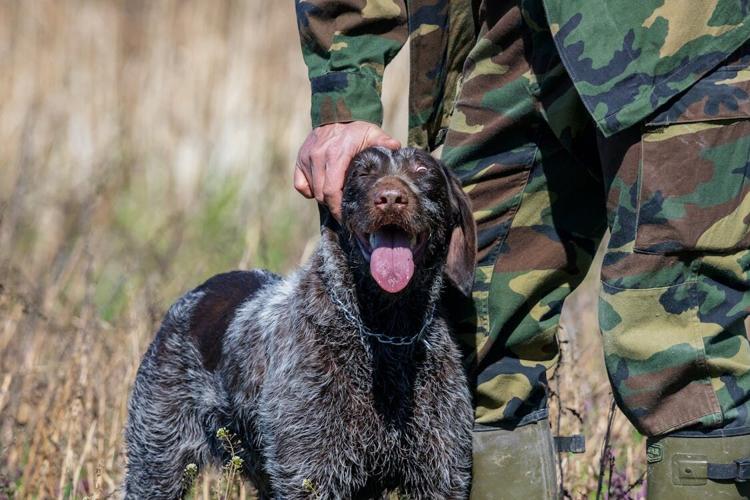



Have you decided to adopt a retired military dog? According to the U.S. Department of Defense, almost 1,600 working canines are helping to keep the nation safe. These dogs go on missions with their unit spanning air, land, and sea.
PR Newswire reports there’s a surge in monetary spending on military-trained canines. The industry is set to achieve remarkable market growth with a 7.6% CAGR between 2023 and 2030.
Do you know what this means? It proves there will soon be a rise in the number of canine members in military service.
Pet parents must step up to care for these adorable fighters once they retire. These canine heroes need tender care and attention to adjust to normal life. You can do that by ensuring they are comfortable, happy, and healthy. For instance, they’ll need veterinary care, emotional support, complete and balanced nutrition, etc.
In this article, we’ll list four important tips to help you care for a retired military dog.
#1. Taking Them to Regular Vet Visits

Reports suggest that military dogs are at a higher risk of developing canine cancer and other health issues. These include dental disease, skin conditions, post-traumatic stress disorder (PTSD), etc.
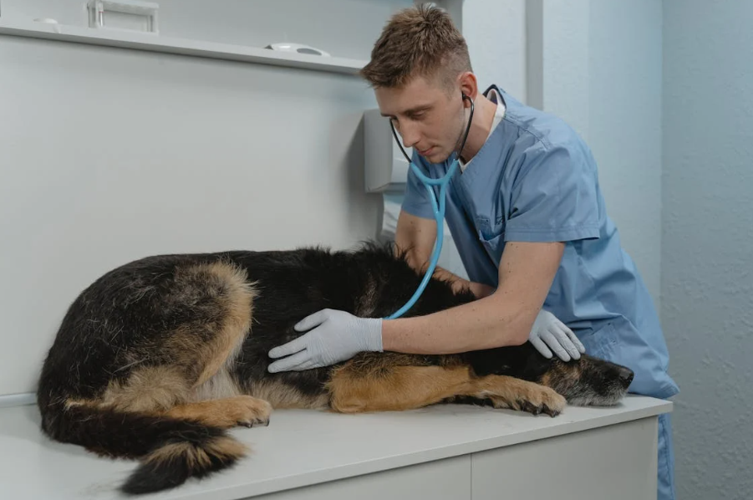
Due to this, pet parents must take them to the vet regularly. Consistent check-ups will also enable the vet to monitor the dog’s overall health and easily detect issues for timely intervention.
These visits will help with health assessments and screenings to check for chronic diseases. The vet will then prescribe preventive care measures based on the pet’s condition, as found in the screenings. Moreover, it will allow you to update the dog’s parasite control, ensure dental care, and provide vaccinations.
These qualified professionals can also help pet parents deal with the adopted military dog’s behavioral changes and offer the best nutritional advice. Prioritizing vet visits will ensure that the canine receives the best care and support during their retirement years.
#2. Giving Them Proper Nutrition

Most military dogs depend on a nutritious diet to remain healthy. Highly digestible and high-performance meals are crucial to keeping them active during physical and environmental challenges. That’s why providing balanced nutrition to your retired military dog during their post-service life is important.
However, it might be hard for you to match the feeding regulations the military follows. All you can do is provide a balanced diet tailored to the dog’s activity level and age based on their health considerations.
For instance, you should feed them a type of dry food that supports their digestive health. The Hill's GI Biome Dog Food is one such product. This dog food contains a proprietary ActiveBiome+ ingredient that rapidly activates the good gut bacteria. The ingredients include vitamins, chicken, whole-grain corn, folic acid, etc.
According to PetCareRx, it’s clinically tested to help firm loose stool within twenty-four hours. This dog food will also support a healthy gastrointestinal microbiome balance due to the unique blend of prebiotic fibers. The omega-3 fatty acids also promote regular bowel movements in the canine.
#3. Focusing on Regular Exercise

All their lives, a military dog has gone through strenuous training for multiple hours a day. Putting a stop to that can be detrimental to their mental and physical health.
Your adopted pet will still need regular exercise and mental stimulation when transitioning to a normal life. Examples include walks, playtime, etc. They’ll also love engaging in mentally stimulating scent games. All these can help prevent boredom and contribute to their overall happiness.
Consistent physical activity can help the dog in the following manner:
Ensure joint flexibility
Maintains muscle strength
Supports cardiovascular health
Can promote regular healthy stool
Similarly, mental stimulation can keep them engaged and reinforce emotional stability. Find interactive toys, puzzle games, training sessions, and other activities to heighten their instincts.
However, pet parents must tailor the exercise routines based on the dog’s abilities, physical health, and age. Doing so will ensure they stay active without facing overexertion. Offering physical and mental support can also help you strengthen the bond, enabling the canine to thrive.
#4. Offering Them Comfort and Love

Kuno, a military dog stationed in Afghanistan, saved the lives of British soldiers by charging through enemy gunfire. Stories like this prove that military dogs have only one purpose: to save the lives of their unit. The dog you have adopted has also had the same purpose ever since they were born.
It’ll be hard for them to leave behind that life and adjust to your home. This transition period is crucial. That’s why pet parents must offer all the support and love they can.
You should follow these tips to give the retired canine a comfortable life:
Provide a cozy bed and a safe resting area.
Cater to their comfort needs based on physical ailments.
Spend quality time together by offering affectionate grooming.
Create a peaceful and calm atmosphere at home to promote relaxation.
Avoid playing loud music or putting the dog through stressful stimuli.
These will reassure the dog about life’s meaning beyond their military duties. You get to teach this munchkin how to be a domesticated dog. Shower them with love, support, and attention to help them feel confident and content at your house.
In conclusion, retired dogs in warfare require special attention. They won’t behave like normal dogs because of their intense training. If you follow the four essential tips mentioned in this article, you will help the military dog live a peaceful and healthy retired life.
You must understand that this pet will have trouble socializing with other animals. As a pet parent, try to respect this and offer them comfort and love. Similarly, taking them to regular vet visits and giving them proper nutrition will keep them healthy. Regular exercise and physical activity are also crucial for retired military dogs.
They deserve all the gratitude and respect for being a war veteran. You can repay their service by offering loyal companionship for the rest of their lives. Remember to enable a comfortable and fulfilling life beyond their military duties. All of these will help maintain their quality of life.
For Related Articles Try:


(0) comments
We welcome your comments
Log In
Post a comment as Guest
Keep it Clean. Please avoid obscene, vulgar, lewd, racist or sexually-oriented language.
PLEASE TURN OFF YOUR CAPS LOCK.
Don't Threaten. Threats of harming another person will not be tolerated.
Be Truthful. Don't knowingly lie about anyone or anything.
Be Nice. No racism, sexism or any sort of -ism that is degrading to another person.
Be Proactive. Use the 'Report' link on each comment to let us know of abusive posts.
Share with Us. We'd love to hear eyewitness accounts, the history behind an article.