

Horses are undoubtedly expensive pets. Looking after a horse requires investing in a lot of equipment (and even more equipment if you plan to ride it). This post outlines a basic shopping list of all the things you may need to buy as a horse owner.
Feeders
Feeding your horse is the most important task. Alongside buying the actual food, you’ll need to buy feeders. This could include:
Hay feeders: These contain hay for your horse to eat and can come in the form of ground feeders or hanging feeders. Ground feeders are generally healthier for a horse’s digestive system.
Water buckets: This is where your horse will drink water from. Water troughs are ideal for multiple horses.
Grooming gear
Brushing and cleaning your horse is another essential task. For this, you will need certain grooming tools:
Combs/brushes: It’s recommended that you own a rubber curry comb, a stiff bristled dandy brush and a soft-bristled body brush for maintaining your horse’s coat. This guide to horse brushes explains more.
Sponges/detanglers: These are for washing your horse’s coat, mane and tail.
Equine shampoo: Horses need specialist shampoo for keeping their coat clean.
Glove towel: This is useful for drying your horse or wiping off mud.
Hoof pick: This is for cleaning your horse’s hooves.
Tack
Tack is a term used for the equipment worn by a horse when riding it. This equipment typically includes:
Saddle: The most essential piece of tack is a saddle. Saddles come in different styles including Western saddles, English saddles and Stock saddles. Specialist saddles can be bought for disciplines like dressage and showjumping.
Saddle pad: This protects your horse’s back against friction from the saddle, while also protecting your saddle’s leather from oils in the horse’s coat. Certain saddles may be designed to fit certain pads.
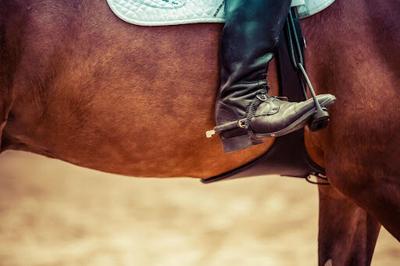
Stirrups: These secure your feet in place for balance and control. The metal hoops where your feet sit are sometimes known as ‘irons’, while the straps connecting them to the saddle are called leathers.
Girth: This strap goes under the horse and keeps the saddle in place.
Bridle/reins: Most riders use these to control their horse. They come in various styles worth exploring.
Bit: This is an optional metal bar that sits in the horse’s mouth and attaches to the bridle and reins. It helps when controlling a horse, but some riders prefer not to use them.
Riding clothing
On top of dressing up your horse for riding, you’ll need to consider your own clothing. A few items of riding clothing you may want to consider include:
Helmet: Safety-wise, this is the most important equipment you’ll need. Helmets need to be in the right size and designed for riding (a cycling helmet will not protect you if you fall). Check out this riding helmet guide for more information.
Boots: You’ll need leather boots with at least a 1 inch heel. These could be specialist riding boots or cowboy boots.
Gloves: These will protect your hands when holding the reins.
Riding pants: Made from stretchy fabrics with a seamless inner leg, these pants will help ensure comfort.
Safety vest: This is recommended as it can protect your torso and vital organs if you fall off.
Fly gear
Unfortunately, flies love horses. As well as being a nuisance to your and your horse, some flies can bite and cause infections. Fly gear can prevent this. This includes:
Fly spray: This is sprayed over your horse’s coat to deter flies. It’s the most common form of fly repellent.
Fly mask: This is a mesh mask that sits over your horse’s face to stop flies getting in their eyes.
Fly coat: This is a mesh coat that protects your horse’s body. It is usually only needed when there is a serious fly problem. You can find several durable options within the Stateline Tack fly sheets collection that provide a breathable barrier against biting pests. These covers are specifically designed to offer full-body protection without restricting your horse's natural movement.
First aid supplies
Finally, an equine first aid is also worth buying and keeping in/near your stable. This should contain items like bandages, scissors, poultice, antibacterial scrub and a thermometer. Having this first aid kit to hand could allow you to nurse small injuries yourself without having to call out a vet.
This is just some of the most basic gear you need if you own a horse. It’s worth spending time hunting for deals. Second-hand equipment may be possible to buy in many cases, but you need to check the condition carefully - especially with saddles and helmets.
Of course, if you’re renting a horse or using a horse from a riding school, much of this equipment may be provided for you. This is a more economical option for people initially getting into horse riding.
Post a comment as Guest
Report
Watch this discussion.
(0) comments
We welcome your comments
Log In
Post a comment as Guest
Keep it Clean. Please avoid obscene, vulgar, lewd, racist or sexually-oriented language.
PLEASE TURN OFF YOUR CAPS LOCK.
Don't Threaten. Threats of harming another person will not be tolerated.
Be Truthful. Don't knowingly lie about anyone or anything.
Be Nice. No racism, sexism or any sort of -ism that is degrading to another person.
Be Proactive. Use the 'Report' link on each comment to let us know of abusive posts.
Share with Us. We'd love to hear eyewitness accounts, the history behind an article.