
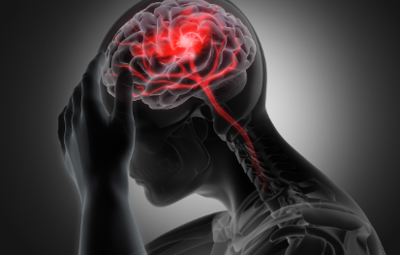

Memory problems are common among people who have suffered a traumatic brain injury. This can include difficulty remembering the events leading up to the injury, problems retaining new information or learning new things, and general issues with your short-term memory, even if your long-term memory is not affected.
Fortunately, in many cases, these memory problems will get better with time. Your memory can also often be improved through various rehabilitation processes. Where lingering memory issues exist, there are various tried and tested coping strategies that can make living with these ongoing memory issues easier.
The extent of the improvement you can achieve will depend on the exact nature and severity of the brain injury, but if the right steps are taken, significant progress is usually possible.
Strategies for improving memory after a brain injury
Various memory rehabilitation exercises can be used to improve your memory after a brain injury. The focus is usually on practicing memorizing information, which can stimulate a degree of memory recovery.
However, much of the rehabilitation process is often focused on developing strategies for making it easier to recall information, working around your memory issues.
Various tactics can be used to make it easier for brain injury sufferers to remember important information. This includes putting important information into organized lists, which people with memory issues often find easier to recall.
Learning to use external memory aids, such as post-it notes and labels for key information can also minimize the amount of information you need to remember and reduce the risk of forgetting something important, such as when to take medication.
It may also help to make adaptations to your environment so that your memory issues will cause you fewer problems, as well as create set routines for you to follow.
These tactics can help you to live independently with your memory issues, reducing your reliance on other people and the potential for confusion and distress.
To have the best possible chance of recovering from a brain injury, you are likely to need a range of support, including from doctors, brain injury rehabilitation specialists and other carers. You may also need ongoing support and adaptions to your home and in other areas of your life to allow you to live independently.
While much of the support you need can be accessed on the NHS, private treatment can sometimes be preferable and some of the support you need may only be available privately. For this reason, claiming brain injury compensation can be essential to ensure you can get the care and support you need.
How to get the support you need after a brain injury
An experienced brain injury solicitor will be able to advise you on whether you are likely to be entitled to compensation, the level of compensation you may be able to claim, and how to go about this. Many operate on a no-win, no-fee basis, meaning there is often nothing to lose and much to gain in pursuing a brain injury compensation claim.
Taking legal action against those who are responsible for a traumatic brain injury can be a crucial step in securing the compensation you need. The attorneys from WoclLeydon can tell you how TBI cases differ from other personal injury claims and guide you through the process to ensure your case is handled efficiently and effectively. Their expertise can help maximize your chances of receiving a fair and just settlement for the hardships caused by the injury.

(0) comments
We welcome your comments
Log In
Post a comment as Guest
Keep it Clean. Please avoid obscene, vulgar, lewd, racist or sexually-oriented language.
PLEASE TURN OFF YOUR CAPS LOCK.
Don't Threaten. Threats of harming another person will not be tolerated.
Be Truthful. Don't knowingly lie about anyone or anything.
Be Nice. No racism, sexism or any sort of -ism that is degrading to another person.
Be Proactive. Use the 'Report' link on each comment to let us know of abusive posts.
Share with Us. We'd love to hear eyewitness accounts, the history behind an article.