

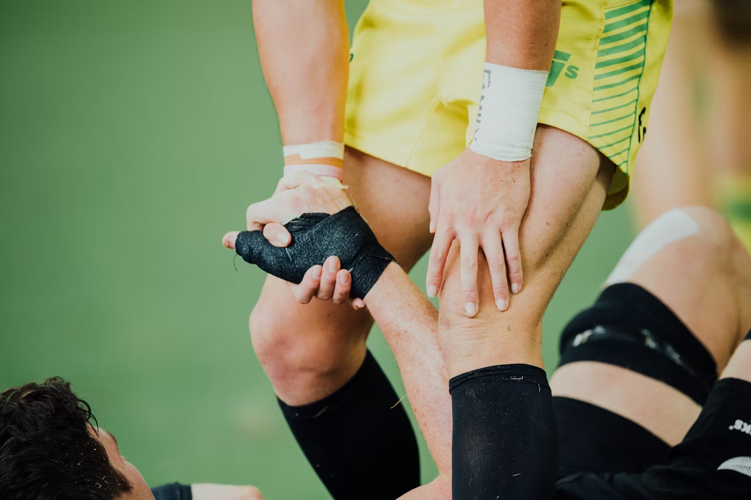

Pain during movement can turn normal tasks into slow negotiations with your body. The good news is that clear steps exist to understand why a joint hurts and what you can do about it. Relief usually comes from a mix of precise diagnosis, patient-guided exercise, and well-chosen medical options. With a plan that respects both biology and daily life, strength and confidence can return.
Understanding What Joint Pain Really Means
Joints hurt for a short list of reasons that show up in different combinations. Inflammation irritates tissue and makes it feel sharp or hot, while mechanical stress from poor alignment creates pinching or grinding. Weak surrounding muscles shift the load onto cartilage and ligaments that were not meant to carry it alone. Nerves can also contribute when swelling narrows the space or a previous injury leaves sensitive pathways behind. Sorting these elements is the first step toward a solution that sticks.
Common Causes Across Life Stages
Sprains, tendinopathies, and cartilage strain are frequent in active adults who push loads and ranges without enough recovery. Arthritis builds with age as joint surfaces lose some of their smooth glide and surrounding structures stiffen, which makes stairs and inclines harder than flat ground. Prior injuries matter because scar patterns and altered movement can persist unless addressed by targeted strength and mobility work. Metabolic conditions and certain medications can increase joint sensitivity and slow healing when tissue is stressed. Each cause points to a slightly different plan, so guessing often wastes weeks that could be used for progress.
Assessment That Leads To Clear Answers
A helpful assessment starts with a careful history and a movement screen that recreates the problem in a safe way. Clinicians look for patterns such as pain at the first step that eases with motion, or pain that builds with repetition and lingers afterward. Hands-on tests check ligament stability, joint glide, and muscle control around the area. Imaging is useful when a fracture, severe tear, or structural block is suspected, but pictures alone rarely tell the whole story. The best plans combine test results with functional findings so recommendations target what truly limits you.
Conservative Care That Builds Capacity
Exercise therapy sits at the center of most successful recoveries. Gentle range work restores joint nutrition by moving fluid and easing stiffness, while progressive strength training teaches tissue to share load in a healthier pattern. Balance and coordination drills reduce awkward footfalls and sudden twists that can provoke setbacks during normal days. Short bouts of activity spaced throughout the week tend to calm pain better than rare long sessions, especially when paired with sleep and nutrition that support repair. Simple tools like heat before activity and cool after activity can smooth the learning curve.
In some cases, topical support can also be useful when pain has a burning, tingling, or “nerve-like” feel, especially in the feet or hands. In those situations, for example a product like Zana Nutrition's neuropathy cream can fit into a simple routine alongside heat/cold and gentle movement, mainly to support comfort while you keep building strength and mobility. It’s still important to treat ongoing numbness or sharp nerve symptoms as a sign to get checked by a clinician, since topical products are not a substitute for a clear diagnosis.
Targeted Options For The Knee
The knee deserves special focus because it links hip control above and foot mechanics below. Tight quads or calves tug on the joint in ways that make stairs painful, while weak glute muscles let the knee drift inward and irritate the patellofemoral groove.
A skilled clinician will coach precise cues such as knee tracking and foot tripod to correct these patterns during squats, step downs, and daily tasks. If your symptoms center on the knee and you want local guidance, a knee expert in Sydney can align assessment, exercise progressions, and procedural options with your goals. Early gains often come from improving depth control in sit-to-stand, refining cadence during walks, and practicing short holds that build endurance without flaring symptoms.
When Injections Or Procedures Have A Role
Injections can quiet irritable tissue, so exercise becomes possible again. Corticosteroids reduce inflammatory signals for a short window, which is helpful when swelling blocks motion or sleep. Viscosupplementation creates a smoother glide in select knee cases, although its benefits depend on the specific joint condition and activity level. Platelet-rich approaches aim to nudge healing in tendons and ligaments when structured loading alone has plateaued. These choices work best when paired with a clear plan for strength and movement, not as standalone fixes.
Preparing For Surgical Solutions
Surgery becomes reasonable when structural damage blocks function or when well-executed conservative care fails despite fair trials. Preparation improves outcomes by building strength in surrounding muscles, practicing crutch or brace skills, and planning home logistics for the first weeks after the procedure. Clear conversations about expected milestones help you judge progress without guesswork and keep attention on what you can influence each day. Early guided motion protects joint nutrition while respecting healing timelines set by your surgeon. Postoperative therapy then rebuilds capacity with gradual load, precise technique, and patient pacing.
Daily Habits That Protect Joints
Small routines shape how joints feel during normal life. Supportive footwear with fresh midsoles keeps forces predictable during long days, and brief breaks during repetitive tasks prevent fatigue from altering form. Desk setups that lift screens and bring keyboards to a comfortable reach reduce shoulder and wrist strain that can echo through the neck and back. Simple warmups before garden work or home projects prepare tissue for loads that would otherwise surprise it. These habits create a buffer that keeps gains from therapy intact.
Nutrition, Recovery, And Mindset
Tissues heal best when energy intake and protein support the work you ask them to do. Hydration matters for cartilage health and for muscle function during longer days on your feet. Sleep gives the nervous system a break from constant alerts, which lowers pain sensitivity and improves coordination the next morning. A practical mindset treats setbacks as information rather than failure, adjusts the plan, and resumes steady practice. With that perspective, each week adds small gains that accumulate into real change.

Reliable relief from painful movement grows from accurate diagnosis, patient-centered exercise, and smart use of medical options. Start with a clear look at mechanics and triggers, add strength and mobility that target the true limiter, and reserve procedures for moments when they support a bigger plan. Protect those gains with daily habits and recovery that respect how tissue adapts. With the right team and a consistent approach, joints can move with comfort again, and your attention can return to the activities that make life feel like yours.


(0) comments
We welcome your comments
Log In
Post a comment as Guest
Keep it Clean. Please avoid obscene, vulgar, lewd, racist or sexually-oriented language.
PLEASE TURN OFF YOUR CAPS LOCK.
Don't Threaten. Threats of harming another person will not be tolerated.
Be Truthful. Don't knowingly lie about anyone or anything.
Be Nice. No racism, sexism or any sort of -ism that is degrading to another person.
Be Proactive. Use the 'Report' link on each comment to let us know of abusive posts.
Share with Us. We'd love to hear eyewitness accounts, the history behind an article.