
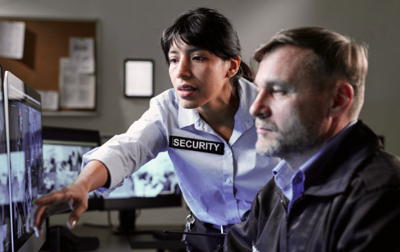

Planning a business event can be both exciting and challenging. With all the tasks like organizing venues, catering, and guest lists, it's easy to forget a crucial part: security. Events can attract unwanted attention, so it's essential to have security measures in place.
Whether you're hosting a small seminar or a big conference, safety is a serious concern. Guests expect a secure environment, and any security lapses can lead to major issues. From controlling access points to protecting sensitive information, security should never be an afterthought.
Here's how to improve safety for your business event from the start.
Assess Potential Risks
Before booking a venue, assess potential risks. Think about the location and the type of event. Are there specific threats based on your crowd, the event's nature, or high-profile guests? Conducting a risk assessment can help spot vulnerabilities that need to be addressed.
Consider logistics like crowd control, emergency plans, and safety protocols. Talk with local authorities or venue managers to understand any past safety concerns in the area. This proactive approach helps you put the right measures in place to ensure safety.
Hire Security Services
A simple way to boost your event's security is to hire professional security services. Experienced security staff can anticipate problems and handle them quickly, allowing you to focus on your event's success. They can manage everything from access control to emergency responses.
When choosing security services London, look at their experience, reputation, and availability. They should have worked on events like yours before. Also, they should know the venue's layout. A good security team will conduct a walk-through and offer tailored advice to improve safety.
Control Access Points
Managing who enters the event can lower risks. Establish clear access points and ensure they are staffed properly. Use ticketing or registration checkpoints to track attendees. Each access point should have security personnel to verify identities and check for unauthorized entries.
It's also wise to have distinct areas at your event, each with its own access level. For example, VIP areas should have stricter security measures. This keeps attendees safe, adding to the exclusivity and prestige of your event.
Communicate Clearly
Your guests need to know the security protocols. Clear communication helps everyone understand what to do in case of an emergency. Before the event, include safety measures in invitations or reminders. Include details about exits, emergency contacts, and any security personnel at the venue.
During the event, use signs to show emergency exits. Brief your staff and volunteers about their roles in safety protocols so they can help if needed. When guests are informed, they'll feel safer and more at ease.
Utilize Technology
Using technology can improve security at your event. Tools like surveillance cameras and tracking apps can help monitor crowds and quickly spot potential dangers. Many venues have security systems that you can include in your event planning.
Think about using a communication app for your security teams to coordinate without drawing attention. This keeps things calm while allowing them to handle any issues quickly and discreetly. Technology not only enhances safety but also helps guests feel secure during the event.
Connect with Local Authorities
Building a relationship with local authorities can greatly improve your event's security. Before your event, reach out to local law enforcement and emergency services to inform them of your gathering. This helps them prepare and allocate resources if needed.
Invite them to tour the venue and share any safety tips or insights from their experience in the area. Having contact with local authorities can also ensure quicker responses in case of emergencies.
Emergency Preparedness
Having an emergency plan is essential. Corporate security companies can create an emergency response plan with instructions for different situations, like a fire, medical emergency, or security issue. Ensure that all staff members are trained on this plan and conduct drills to practice.
Keep first-aid kits in accessible locations throughout the venue. If someone gets hurt, having trained personnel available to help can make a big difference. Inform attendees about emergency procedures so everyone knows what to do in the event of an emergency.
Although planning for problems during an event can seem overwhelming, you can reduce risks with preparation. Good planning is key to any successful event, including security. By thinking about risks, hiring the right professionals, and ensuring clear communication, you create a safer environment for everyone involved.

(0) comments
We welcome your comments
Log In
Post a comment as Guest
Keep it Clean. Please avoid obscene, vulgar, lewd, racist or sexually-oriented language.
PLEASE TURN OFF YOUR CAPS LOCK.
Don't Threaten. Threats of harming another person will not be tolerated.
Be Truthful. Don't knowingly lie about anyone or anything.
Be Nice. No racism, sexism or any sort of -ism that is degrading to another person.
Be Proactive. Use the 'Report' link on each comment to let us know of abusive posts.
Share with Us. We'd love to hear eyewitness accounts, the history behind an article.