
Revolutionizing your home starts with a click. In this digital age, where convenience and personalization reign supreme, a user-friendly website isn't just an add-on – it’s a foundational imperative for those in the furniture business. Customers no longer simply shop; they expect an experience, a narrative woven into a comfortable, seamless online space. Crafting a website that not only showcases your furniture’s allure but also guides and captivates your customers is the key to a successful online presence in the furniture industry. From intuitive navigation to high-quality visuals, here’s the definitive guide on designing a user-friendly website for selling furniture.
The Foundation of Cozy Commerce
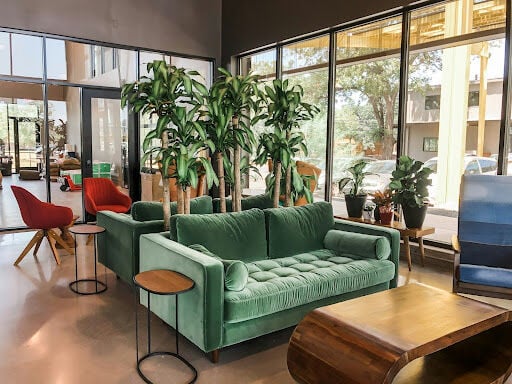
When you're selling furniture, you’re not just selling objects – you're selling a lifestyle, an aesthetic, a piece of comfort. The design of your eCommerce store should mirror these qualities. Too often, websites become mazes, baffling users with complex navigation and leaving them frustrated. A user-friendly site simplifies the shopping experience, making it enjoyable and compelling. Each element must contribute to a sense of ease and motivation. Above all, your website should align with your brand identity, conveying the same warmth and appeal that your physical store offers.
The Aesthetics of E-Commerce Elegance
In the world of online shopping, beauty isn't just skin-deep – it's front and center. The first impression counts, and it's often visual. Using high-resolution images and even interactive 360-degree views can provide a literal all-around view of your products, virtually placing them in your customers’ living rooms before they've made a purchase. Complementing visuals with minimalist, yet impactful web design, your products should be the star of the show. A cohesive color scheme, a clean layout, and tasteful typography enhance without overwhelming, leaving a lasting visual impact that encourages exploration and purchase.
The Fabric of Functional Furniture Features
Visitors expect more from your website than just a lookbook; they demand a shop that adapts to their needs. Powerful search functions, filters, and the ability to compare products with ease are not just novelties but necessities. A chatbot or a customer service hotline should be instantly accessible if questions arise. Your website is a living entity – it must anticipate and serve your customer at every turn, seamlessly weaving the story of their perfect purchase through the fabric of its functional features.
The Art of Captivating Content
Content is the invisible thread that connects products to people. But it's not just about what you say; it's also about the voice you say it in. Engaging, informative, and unique content through blogs, product descriptions, and user-generated reviews all serve to empower your customers and build trust. It’s an opportunity to share the story behind each piece of furniture and provide inspiration for how it can transform a space. Each word must be carefully chosen, and designed to resonate and motivate. Content is not just filler; it’s a catalyst, turning browsers into buyers.
Website Navigation
User experience hinges upon the ease with which your customers can explore your inventory. Clear menus, sorted by room or type of furniture, guide your visitor through your website intuitively. Avoid clutter and use white space effectively to highlight your categories and ‘best sellers.’ You can also read more here and learn about the best website navigation practices. Additionally, subtle animations and transitions can enhance the visual appeal and the sense of discovery without complicating navigation.
Honing the Checkout Process
The culmination of an enjoyable shopping experience is a seamless checkout. A straightforward, step-by-step process with multiple payment options reassures your customer that their purchase is being handled efficiently. Clear calls to action, such as 'Add to cart' or 'Proceed to checkout,' must be visible and encouraged at every appropriate point in the shopping journey. Implementing a guest checkout feature can eliminate a major point of friction for first-time buyers. With the strategic use of meta tag description and keywords, you’ll be able to ensure that the right audience finds your online furniture store—those looking for a smooth, enjoyable shopping experience that results in stylish pieces being delivered right to their door. Whether they're seeking a clutter-free checkout process or a visually rich showcase of furniture, your meta tags and content can make all the difference in setting your eCommerce store apart from the competition. By optimizing your meta tag content, you're not only improving your site's visibility, but you’re also signaling to search engines that your site focuses on delivering an optimal online shopping experience.
The SEO of Supreme Online Experiences
In the vast digital market, a clear voice is essential. Search Engine Optimization (SEO) is the language your website speaks to the algorithms that dictate its visibility. By incorporating keywords strategically – without overstuffing – into your product descriptions, blog posts, and website content, you can earn a higher ranking on search engine results pages. Make sure your metadata is concise, descriptive, and enticing to maximize click-through rates. SEO isn’t just about finding your website – it’s about inviting visitors into an impeccably crafted experience.
Socializing Your Design

Your website's influence shouldn't be confined to its virtual walls. Social media integration is vital in today's connected world. Encouraging users to share their favorite finds or their newly furnished space can serve as powerful testimonials. Regular updates and interactions with customers via social channels can also give your brand a human touch and foster a community around your products. The shareability of your content is a measure of its success – a testament to its relevance and appeal.
Ensuring Mobile Modishness
In an age where mobile browsing has surpassed desktop usage, ensuring your website is mobile-optimized is non-negotiable. Every feature, from image carousels to checkout forms, must be designed and tested for seamless functionality on a variety of devices. Mobile users are often on the go; they seek quick, effortless engagements that deliver without delay. A mobile-friendly website isn't just an option—it’s imperative for success in the digital marketplace.
Engaging, visually compelling, and functionally superior websites are more than digital storefronts; they are the epicenters of modern trade, blending the tactile appeal of your products with the seamless convenience that technology enables. By taking the time to understand your customer's needs and preferences, you can build a digital domain that not only sells furniture but also fosters a sense of connection and community.

(0) comments
We welcome your comments
Log In
Post a comment as Guest
Keep it Clean. Please avoid obscene, vulgar, lewd, racist or sexually-oriented language.
PLEASE TURN OFF YOUR CAPS LOCK.
Don't Threaten. Threats of harming another person will not be tolerated.
Be Truthful. Don't knowingly lie about anyone or anything.
Be Nice. No racism, sexism or any sort of -ism that is degrading to another person.
Be Proactive. Use the 'Report' link on each comment to let us know of abusive posts.
Share with Us. We'd love to hear eyewitness accounts, the history behind an article.