
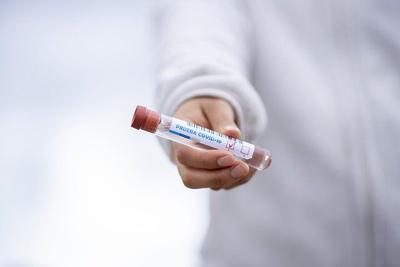

When the world around us starts to feel overwhelming and dangerous, we seek shelter in our homes. That's our safe havens, a place where nothing should and could harm us. However, you may be interested to know that even our living spaces can pose a threat to our health. There are lots of elements present in our homes that can cause accidents or illnesses. That's why we must make it a point to address these problems. This article will help you with that.
Hazard-free Home
Around 18,000 people lose their lives every year because of health hazards present at home. This results in almost $220 billion of medical expenses annually. We must do our part to reduce this number by lessening the health risks we face in our living spaces. If you want to keep your family safe, below are some guidelines you can follow.
Water Contaminants
Unfiltered water from the well or whatever source is full of harmful contaminants dangerous to your health. From lead to chlorine to arsenic, all of these can cause severe complications and even death. That's why you must install a water filtration system at home. Even if you don't use your tap water for drinking purposes, filtering it for bathing or washing foods and clothes is essential.
Insects
Poor hygiene and inadequate ventilation are often the culprits for the presence of insects inside your home. While insects are incapable of transmitting COVID-19, there are still many diseases that you could get from insect and mosquito bites. To ensure that you're safe from these health risks, consult professional services for mosquito control and make it a point to clean your home regularly.
Mold
Another common health risk found in homes is mold. This is often present in houses that are damp or do not have proper ventilation. Mold buildup is caused by excess moisture in the air and can result in various respiratory illnesses. If this is a recurring problem for you, make sure that you check your house for leaks. Furthermore, you can also install a dehumidifier in rooms where you usually encounter mold buildups.
Fire
The third most common hazard at home is fire accidents. This claims over 3,000 lives annually, which is probably why the government regularly disseminates information about fire prevention. Guidelines for reducing fire hazards include smoke detector installation in various home areas, a monthly checkup of these alarms, replacement of batteries, maintenance and consultation of electrical wiring, and general application of safety measures when cooking.
Keep Your Home Safe from COVID-19
Aside from the safety hazards we've mentioned above, another prevalent concern at the moment among homeowners is COVID-19. This virus became a global problem in an instant because of how easily it is transmitted. Not to mention that vaccine distribution is also quite tricky. To keep your home safe from COVID-19, here are some things you need to follow.
Stay Informed
Almost all the information you need about staying safe and COVID-19-free is available in various news outlets and the internet. That's why the primary preventive measure you'd often see is to stay informed. Be sure to follow government websites and trusted news networks to stay updated on the current nationwide and global status regarding COVID-19.
Prevention
Since the COVID-19 vaccine is still not widely available in many parts of the globe, our best shot at fighting it lies in prevention. This includes washing your hands as frequently as you can, avoiding habits of touching your nose, mouth, and eyes, and covering your mouth when you cough or sneeze. Ensure that you also stay at home as much as possible and avoid contact with other people. If food is delivered to you or brought home groceries and other items from outside, disinfect them before getting them inside.
Illness Preparation
Recent studies suggest that COVID-19 is airborne. There's no telling how, when, or who among our family members will get sick. That's why your entire family and your home must be prepared for sudden illnesses. Stock up on various medications and prepare an empty room for isolation if one of your family members gets sick.
Pets
While there is still no evidence suggesting you can get the virus from your pets, some cats and dogs had tested positive for COVID-19 when they got into contact with an infected person. That's why you must also consider them when you prepare your home for the virus. Lessen the amount of time they spend outside, and keep them away from other people as much as you can.
Our homes are our shelters when everything else around us becomes problematic. That's why we must always make it a point to maintain the protective value of our living spaces. Make sure that you follow the preventive steps we've mentioned above.
(0) comments
We welcome your comments
Log In
Post a comment as Guest
Keep it Clean. Please avoid obscene, vulgar, lewd, racist or sexually-oriented language.
PLEASE TURN OFF YOUR CAPS LOCK.
Don't Threaten. Threats of harming another person will not be tolerated.
Be Truthful. Don't knowingly lie about anyone or anything.
Be Nice. No racism, sexism or any sort of -ism that is degrading to another person.
Be Proactive. Use the 'Report' link on each comment to let us know of abusive posts.
Share with Us. We'd love to hear eyewitness accounts, the history behind an article.