

As homeowners, we often take for granted the electricity that powers our homes. We flick on a switch without a second thought, and rarely consider the potential dangers of mishandling electrical equipment. However, electrical accidents can happen in any home and are one of the leading causes of house fires. That's why it's important to educate ourselves on basic electrical safety tips to keep our homes and families safe.
In this blog post, we'll discuss some essential electrical safety tips that every homeowner should know, from proper usage of outlets and extension cords to recognizing warning signs of potential hazards. Let's get to the list.
Always Engage Experts for Electrical Work
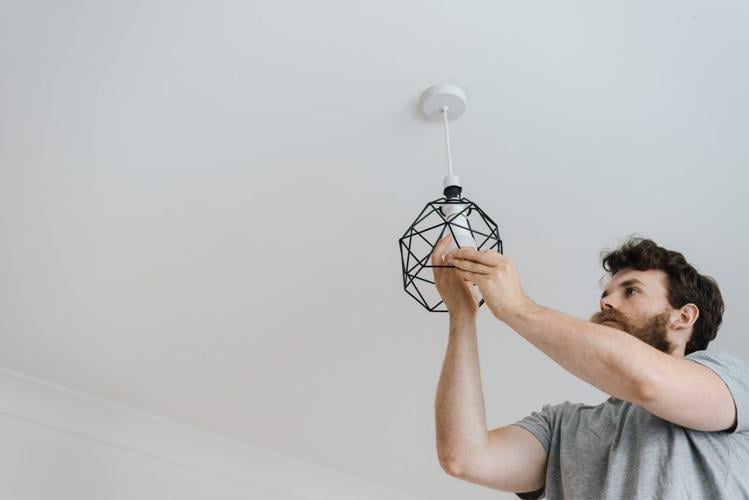
When it comes to electrical work in your home, it's always best to leave it to the professionals. Even if you consider yourself handy and have some knowledge about electrical systems, attempting DIY electrical work can be extremely dangerous. It's easy to make a mistake that could lead to electrocution or fire hazards.
That's why it's crucial to engage experts for any electrical work in your home. You can find expert electricians in your area by doing some research online or asking for recommendations from friends and family. Ensure that the electrician is licensed and has proper certifications to handle any electrical work in your home.
Be Mindful of Overloaded Circuits
Overloading circuits is a common cause of electrical accidents and fires in homes. It's important to know the capacity of your electrical system and not exceed it. Each circuit has a specific amperage limit, so be mindful when plugging in multiple appliances or devices into one outlet.
Additionally, avoid using extension cords as a permanent solution for overloading circuits and instead consider installing additional outlets where needed. If you notice flickering lights, tripping breakers, or burning smells, it may be a sign of an overloaded circuit. It's best to address this issue immediately to prevent any potential hazards. By being mindful of overloading circuits, you can ensure the safety of your home and family.
Properly Use Extension Cords
Extension cords are convenient for providing temporary power to various locations in our homes. However, improper usage of extension cords can also pose a safety risk. Always make sure to use the correct type and size of extension cord for the intended purpose.
Never overload an extension cord or run it under carpets, rugs, or furniture where it could overheat and potentially start a fire. Also, never plug one extension cord into another to extend its length as this can lead to overloading. Avoid using extension cords for high-wattage appliances and devices such as space heaters or air conditioners. Proper usage of extension cords can prevent accidents and keep your home safe.
Keep Water Away from Electrical Outlets and Appliances
Water is a conductor of electricity, making it extremely dangerous when it comes into contact with electrical outlets and appliances. Always make sure your hands are dry before using any electrical equipment and keep water sources away from them.
This includes not using any electronics near wet areas such as sinks, bathtubs, or pools. If you notice any sparks or unusual noises coming from an outlet or appliance, do not touch it and turn off the power source immediately. It's important to be cautious and keep water away from electricity to prevent any potential accidents.
Regularly Check for Warning Signs
It's essential to regularly check for warning signs of potential hazards related to your home's electrical system. This includes flickering lights, buzzing sounds, warm outlets or switches, or frequently tripping breakers.
Additionally, if you notice any frayed or damaged cords, loose outlets, or sparks coming from an outlet, these are also warning signs that something is wrong. Don't ignore these signs and address them immediately by calling a licensed residential electrician. Regularly checking for warning signs can help prevent accidents and ensure the safety of your home and family.
Unplug Unused Electronics
If you have electronics that you rarely use, such as a toaster or blender, it's best to unplug them when not in use. Even when turned off, these devices can still draw small amounts of electricity and create potential fire hazards.
Additionally, unplugging unused electronics also helps to save energy and reduce your electricity bill. If possible, use a power strip for multiple devices and turn it off when not in use to prevent any phantom power consumption. Ensure that all devices have proper ventilation and are not stacked on top of each other to prevent overheating. By unplugging unused electronics, you can improve the safety and energy efficiency of your home.
Install Ground Fault Circuit Interrupters (GFCIs)
Ground Fault Circuit Interrupters (GFCIs) are specialized outlets that protect against electric shocks and are required in areas of your home where water may be present, such as bathrooms and kitchens. They detect imbalances in electrical currents and automatically shut off power to prevent electrocution.
If you don't have GFCIs installed in these areas, it's important to get them installed for added safety. Additionally, test your GFCIs regularly by pressing the "test" button and make sure they are in proper working condition. If a GFCI is not functioning correctly, it's crucial to get it repaired or replaced by a licensed electrician.
Have a Fire Extinguisher and Smoke Detectors

Always be prepared for potential emergencies by having a fire extinguisher and smoke detectors installed in your home. In the event of an electrical fire, a fire extinguisher can quickly stop it from spreading and causing significant damage.
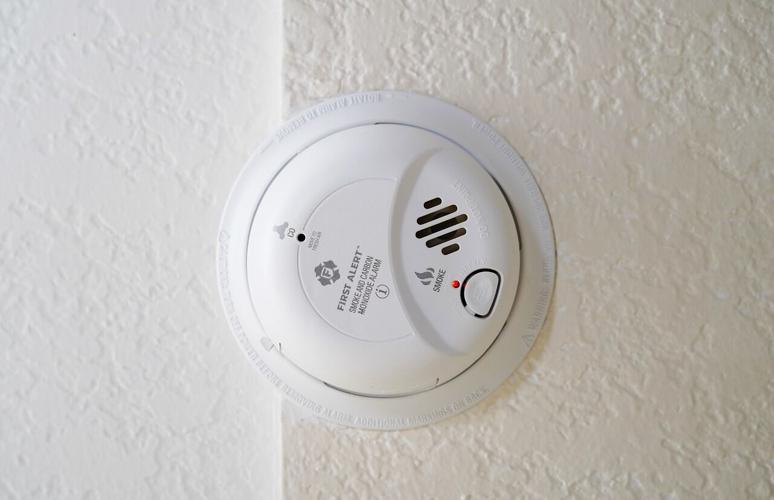
Additionally, smoke detectors are crucial as they provide an early warning system in case of a fire and can save lives. Make sure to test your smoke detectors regularly and replace the batteries at least once a year. Also, have an escape plan in place for your family in case of a fire emergency. By having these safety measures in place, you can protect your home and loved ones from potential electrical hazards.
Electrical safety is an important aspect of maintaining a safe and healthy home. By following these essential tips, homeowners can minimize the risks of potential accidents and protect their families from harm. Remember to always engage experts for any electrical work, be mindful of overloading circuits and properly use extension cords. Keep water away from outlets and appliances, regularly check for warning signs, and unplug unused electronics. Install GFCIs in areas where water may be present, and have fire extinguishers and smoke detectors for added safety measures. By implementing these practices, homeowners can ensure the safety of their homes and loved ones.


(0) comments
We welcome your comments
Log In
Post a comment as Guest
Keep it Clean. Please avoid obscene, vulgar, lewd, racist or sexually-oriented language.
PLEASE TURN OFF YOUR CAPS LOCK.
Don't Threaten. Threats of harming another person will not be tolerated.
Be Truthful. Don't knowingly lie about anyone or anything.
Be Nice. No racism, sexism or any sort of -ism that is degrading to another person.
Be Proactive. Use the 'Report' link on each comment to let us know of abusive posts.
Share with Us. We'd love to hear eyewitness accounts, the history behind an article.