

The landscape of commerce is rapidly evolving, driven by advancements in technology and changing consumer behaviors. Among the most significant shifts is the growing preference for recurring billing and subscription payments. This model, which allows businesses to charge customers at regular intervals, offers numerous benefits for both businesses and consumers. In this article, we will explore the advantages of recurring billing and subscription payments, highlighting the roles of payment processors, credit card processors, and merchant services in facilitating this model. Additionally, we'll discuss how this approach helps mitigate credit card fraud and align with current technology trends.
Understanding Recurring Billing and Subscription Payments
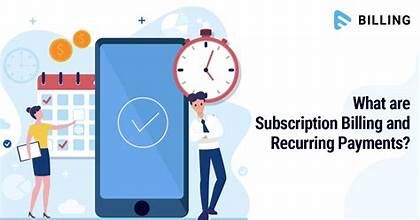
Recurring billing and subscription payments involve automatically charging customers at regular intervals, such as monthly or annually, for ongoing services or products. This model is prevalent in various industries, including software-as-a-service (SaaS), streaming services, gyms, and subscription boxes. The consistent revenue stream provided by recurring payments is advantageous for businesses, while consumers benefit from the convenience of automatic payments without the need to manually renew their subscriptions.
The Role of Payment Processors and Credit Card Processors
Payment processors and credit card processors play a crucial role in managing recurring billing and subscription payments. These entities handle the technical aspects of payment transactions, ensuring they are processed securely and efficiently. They facilitate the automated billing process, manage customer payment information, and ensure compliance with security standards.
Benefits for Businesses
1. Predictable Revenue Stream
One of the most significant benefits of recurring billing is the predictable revenue stream it generates. Unlike one-time sales, recurring payments provide businesses with a steady flow of income, making financial forecasting and budgeting more manageable. This predictability can lead to better resource allocation, strategic planning, and investment in growth initiatives.
2. Improved Customer Retention
Subscription models encourage long-term customer relationships. By offering value on a continuous basis, businesses can foster customer loyalty and reduce churn rates. Customers are less likely to switch providers when they are committed to a subscription, especially if they perceive consistent value from the service or product.
3. Enhanced Cash Flow Management
Recurring payments contribute to improved cash flow management. With regular income, businesses can better manage their operating expenses and invest in new opportunities without worrying about cash flow fluctuations. This stability is particularly beneficial for small and medium-sized enterprises (SMEs) that might struggle with irregular income patterns.
4. Efficient Payment Processing
Automated recurring billing simplifies the payment process, reducing the administrative burden on businesses. Payment processors handle the regular transactions, minimizing the need for manual invoicing and follow-ups. This efficiency allows businesses to focus on core activities and improve overall operational productivity.
Benefits for Consumers
1. Convenience and Ease of Use
For consumers, recurring billing offers unparalleled convenience. They no longer need to remember payment due dates or manually initiate transactions. The automatic nature of recurring payments ensures that their services or subscriptions continue without interruption, enhancing the customer experience.
2. Budget Management
Recurring payments can help consumers manage their budgets more effectively. Knowing the fixed monthly or annual costs allows for better financial planning and reduces the risk of missed payments, which can lead to service disruptions or late fees.
3. Access to Premium Services
Subscription models often provide access to premium services or exclusive content that might not be available through one-time purchases. This added value encourages consumers to commit to long-term subscriptions, enjoying continuous benefits from their memberships.
Mitigating Credit Card Fraud
Credit card fraud is a significant concern in today’s digital economy. Recurring billing can help mitigate some of the risks associated with fraudulent transactions.
1. Reduced Fraudulent Transactions
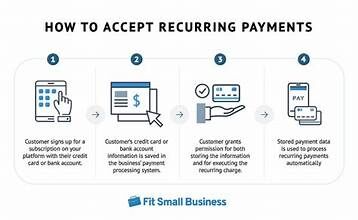
Recurring billing typically involves a one-time setup process where the payment information is securely stored and reused for subsequent transactions. This reduces the number of times credit card information is transmitted over the internet, lowering the risk of interception and fraud.
2. Enhanced Fraud Detection
Payment processors and credit card processors employ advanced fraud detection tools, such as machine learning algorithms and real-time transaction monitoring, to identify and flag suspicious activities. Continuous billing relationships make it easier to detect anomalies in transaction patterns, enhancing overall security.
3. Tokenization and Encryption
To further protect sensitive payment information, payment processors use tokenization and encryption technologies. Tokenization replaces credit card details with unique tokens, which are useless if intercepted. Encryption ensures that data transmitted during transactions is securely protected, reducing the risk of data breaches.
Aligning with Technology Trends
The adoption of recurring billing and subscription payments is closely aligned with current technology trends, making it an attractive option for modern businesses.
1. Integration with Mobile and Digital Wallets
As mobile payments and digital wallets become more popular, recurring billing models have adapted to integrate seamlessly with these technologies. Payment processors support a variety of payment methods, including Apple Pay, Google Pay, and other digital wallets, providing consumers with flexible and secure payment options.
2. Cloud-Based Solutions
Cloud-based subscription management platforms offer scalability and flexibility for businesses of all sizes. These platforms provide comprehensive tools for managing subscriptions, automating billing, and analyzing customer data. The cloud infrastructure ensures that businesses can scale their operations without worrying about the limitations of traditional on-premise systems.
3. Data Analytics and Personalization
Recurring billing models generate valuable customer data that businesses can analyze to gain insights into consumer behavior and preferences. Advanced data analytics tools enable businesses to personalize their offerings, tailor marketing strategies, and improve customer retention. This data-driven approach aligns with the broader trend of leveraging big data to enhance business performance.
Implementing Recurring Billing: Best Practices
For businesses considering the implementation of recurring billing, following best practices can ensure a smooth transition and maximize the benefits.
1. Choose the Right Payment Processor
Selecting a reliable payment processor is crucial for managing recurring payments. Look for processors that offer robust security features, flexible payment options, and seamless integration with your existing systems. Ensure that the processor complies with industry standards such as PCI DSS to protect sensitive payment information.
2. Transparent Pricing and Communication
Clearly communicate pricing and billing terms to customers. Transparency helps build trust and reduces the likelihood of disputes. Provide detailed invoices and easy access to billing information, allowing customers to manage their subscriptions effortlessly.
3. Flexible Subscription Plans
Offer a variety of subscription plans to cater to different customer needs and preferences. Providing options for monthly, quarterly, and annual billing can attract a wider audience. Additionally, consider offering trials or introductory discounts to encourage sign-ups.
4. Customer Support and Engagement
Invest in excellent customer support to handle billing inquiries and issues promptly. Engage with customers regularly through newsletters, updates, and personalized offers to maintain their interest and loyalty.
5. Regular Monitoring and Optimization
Continuously monitor subscription metrics, such as churn rates and lifetime value, to identify areas for improvement. Use data analytics to optimize pricing, refine marketing strategies, and enhance the overall customer experience.
Recurring billing and subscription payments offer a myriad of benefits for both businesses and consumers. By providing a predictable revenue stream, improving customer retention, and enhancing cash flow management, this model helps businesses achieve sustainable growth. Consumers enjoy the convenience, ease of use, and access to premium services that subscriptions provide.
The role of payment processors and credit card processors is vital in managing recurring transactions, ensuring security, and strong fraud management. As technology trends continue to evolve, recurring billing models will become even more integrated with advanced payment solutions, offering greater flexibility and security.
By following best practices in implementing recurring billing, businesses can maximize the advantages of this model, foster long-term customer relationships, and stay competitive in an increasingly digital marketplace.
Here are some other articles related to your search:
(0) comments
We welcome your comments
Log In
Post a comment as Guest
Keep it Clean. Please avoid obscene, vulgar, lewd, racist or sexually-oriented language.
PLEASE TURN OFF YOUR CAPS LOCK.
Don't Threaten. Threats of harming another person will not be tolerated.
Be Truthful. Don't knowingly lie about anyone or anything.
Be Nice. No racism, sexism or any sort of -ism that is degrading to another person.
Be Proactive. Use the 'Report' link on each comment to let us know of abusive posts.
Share with Us. We'd love to hear eyewitness accounts, the history behind an article.