
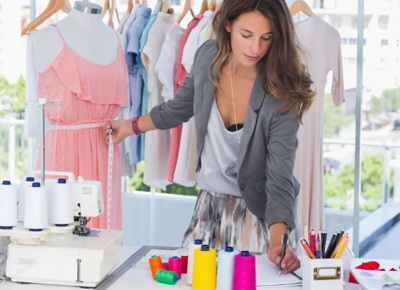

Fashion has always moved in cycles, but the pace of those cycles has accelerated dramatically in recent years. What once shifted gradually over several seasons now evolves in real time as designers respond to cultural moments, social media influence, and changing consumer preferences. For fashion brands, adapting to seasonal trends is no longer just about launching a spring collection or introducing heavier fabrics in the fall. It has become a dynamic process that blends forecasting, creativity, production planning, and customer insight.
The most successful brands approach seasonal fashion not as a reaction to trends but as a strategic system. They analyze emerging styles months in advance, adjust designs to fit shifting tastes, and balance timeless pieces with trend-driven items. Understanding how these brands adapt to seasonal changes reveals the careful planning and creativity behind collections that feel fresh year after year.
Responding to Lifestyle Changes in Warmer Months
Seasonal trends are not only about climate. They also reflect how people live during different times of the year. Warmer months often bring travel, outdoor gatherings, and leisure activities, which naturally influence clothing design.
Fashion brands frequently adjust their offerings to match these lifestyle shifts. Lightweight dresses, breathable tailoring, and resort-inspired pieces become more prominent in summer collections. Even categories like women's swimwear appear in curated seasonal releases that complement broader summer wardrobes rather than standing alone as purely functional items.
Many designers approach these pieces with the same attention to detail as their ready-to-wear collections, ensuring that swimwear aligns with the brand’s overall aesthetic. The result is a cohesive seasonal story that extends from everyday outfits to vacation-ready essentials.
Incorporating Cultural Nostalgia Into Seasonal Design
One of the most interesting ways fashion brands adapt to trends is through the reintroduction of nostalgic styles. Nostalgia often resurfaces in cycles, bringing past decades back into modern collections with updated interpretations.
Designers frequently draw inspiration from earlier fashion eras when creating seasonal pieces. Retro silhouettes, vintage color palettes, and classic athletic styles often reappear with contemporary materials or subtle design changes. This approach allows brands to tap into familiar aesthetics while still offering something new.
In recent years, footwear has been one of the most visible examples of this phenomenon. Retro sneaker designs, for instance, have returned to popularity as consumers rediscover classic athletic silhouettes that combine comfort with vintage-inspired style. These pieces often appeal to both younger audiences discovering the look for the first time and older shoppers who remember the original designs. By blending nostalgia with modern production techniques, brands can create collections that feel both timeless and fresh.
Forecasting Trends Before the Season Begins
The process of adapting to seasonal trends begins long before clothing ever reaches store shelves. Designers and fashion houses rely heavily on forecasting agencies, cultural analysis, and consumer data to anticipate what people will want months in advance.
Trend forecasting examines everything from global events to social media aesthetics. Color palettes, silhouettes, materials, and even lifestyle shifts are analyzed to determine what themes will resonate in upcoming seasons. For example, a cultural emphasis on comfort might influence relaxed tailoring or softer fabrics, while a renewed interest in vintage fashion might inspire retro-inspired designs.
Brands use these forecasts to guide early design concepts. While they do not blindly follow predictions, these insights help designers identify directions that align with both creative vision and market demand. By the time a seasonal collection launches, months of research and experimentation have already shaped the final pieces.
Designing Seasonal Collections With Flexibility
Once trends are identified, designers begin shaping collections that reflect those influences while maintaining the brand’s identity. This balance is essential. A brand that changes too dramatically each season risks losing its core audience, while one that refuses to evolve can quickly appear outdated.
Many fashion houses structure their collections around a mix of staples and seasonal highlights. Signature silhouettes may remain consistent, while colors, textures, and styling details shift with the season. This approach allows brands to remain recognizable while still feeling current.
Flexibility also plays a role in production timelines. Designers often create adaptable concepts that can evolve based on feedback from early previews, fashion week reactions, and retailer input. This responsiveness helps ensure that the final collection reflects both creative intent and consumer interest.
Seasonal Fabric and Material Choices
Material selection is another critical way fashion brands adapt to seasonal trends. Fabrics influence not only the comfort of a garment but also the visual mood of an entire collection.
In colder seasons, heavier textiles such as wool, cashmere, and structured knits dominate runways and retail displays. These materials convey warmth and durability while allowing designers to experiment with layered silhouettes. During warmer months, fabrics shift toward breathable materials like linen, cotton blends, and lightweight silks that support lighter styling.
Texture also plays a role in seasonal storytelling. Soft brushed fabrics might evoke cozy winter aesthetics, while smooth finishes and airy weaves signal spring or summer ease. Through thoughtful material selection, designers reinforce the atmosphere they want each collection to communicate.
Balancing Trend Pieces With Timeless Staples
While seasonal trends drive excitement in the fashion industry, brands know that longevity still matters. Consumers increasingly value pieces that remain wearable beyond a single season.
For this reason, many collections include a foundation of timeless staples that anchor trend-driven items. A neutral blazer, tailored trousers, or a versatile dress can appear in multiple seasonal collections with subtle updates.
These enduring pieces allow consumers to build wardrobes that evolve gradually rather than changing completely each year. They also provide stability for brands by maintaining consistent product categories that sell reliably across seasons.
Using Data and Customer Feedback to Refine Collections
Fashion brands today rely heavily on data to guide seasonal decisions. Retail analytics, online engagement, and customer feedback all play a role in shaping future collections.
Design teams often analyze which pieces perform best in different markets, which colors sell fastest, and which styles generate the most interest online. This information helps brands adjust upcoming releases and refine their approach to seasonal trends.
For example, if a particular silhouette becomes unexpectedly popular, designers may incorporate variations of that design into the next season’s collection. Similarly, if certain trends fail to resonate with customers, brands can pivot quickly to explore alternative directions. This combination of creativity and analytics helps modern fashion houses remain responsive in a rapidly changing industry.
(0) comments
We welcome your comments
Log In
Post a comment as Guest
Keep it Clean. Please avoid obscene, vulgar, lewd, racist or sexually-oriented language.
PLEASE TURN OFF YOUR CAPS LOCK.
Don't Threaten. Threats of harming another person will not be tolerated.
Be Truthful. Don't knowingly lie about anyone or anything.
Be Nice. No racism, sexism or any sort of -ism that is degrading to another person.
Be Proactive. Use the 'Report' link on each comment to let us know of abusive posts.
Share with Us. We'd love to hear eyewitness accounts, the history behind an article.