
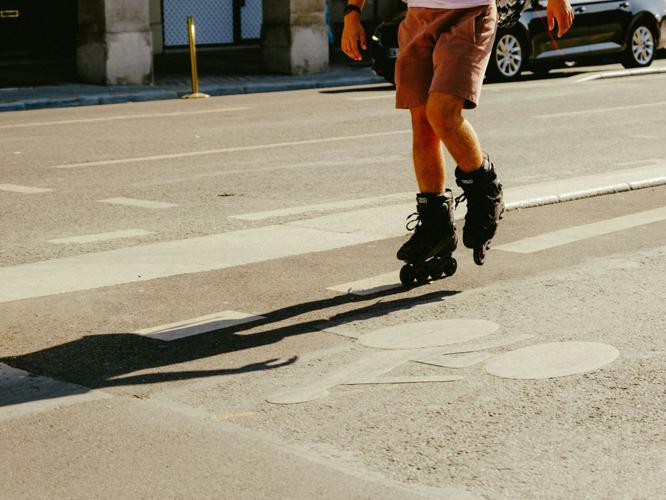
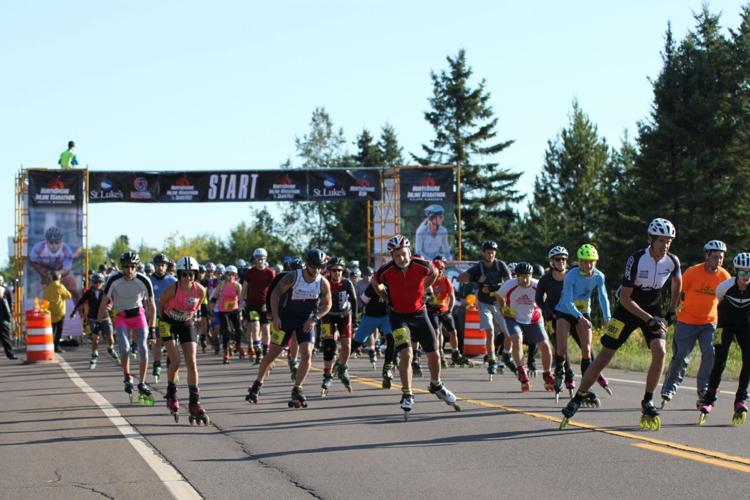

Why inline skates and coastal living are a perfect match. Living by the Australian coast invites movement: boardwalks, promenades and foreshore paths are constant invitations to be outside. Inline skates and outside roller skates for casual family rides turn those routes into practical transport, effective low‑impact exercise and a joyful way to connect with the shoreline. This guide is for locals, visitors, commuters, parents, and council or real estate readers who are curious about how skating can add everyday value to coastal life. It covers practical coastal skating tips, gear and maintenance tailored to salt, sand and humidity, coastal route planning and etiquette, community and property benefits, and ready‑to‑use itineraries and checklists you can apply on the Bondi to Coogee promenade, Gold Coast Esplanade, Melbourne bayside trails and other Aussie foreshore routes.
Benefits of skating along the coast
Skating along the coast brings fitness, wellbeing and community benefits that suit many lifestyles. For active transport and fitness, inline skates let you cover short- to mid-distances efficiently: a steady skate typically doubles walking speed while remaining lower-impact on the knees than running. For a typical adult, a 30–60 minute skate on a flat coastal promenade delivers strong cardiovascular benefits and burns roughly 300–600 kcal depending on pace and terrain, which translates into practical commute and errand use-cases such as popping to a café, ferry, surf club or corner shop without the fuss of a car. Outside roller skates are particularly approachable for families because they offer stability for beginners and fun for kids, while performance inline skates suit commuters and longer recreational outings.
Beyond the physical, coastal skating supports mental wellbeing and lifestyle rituals. Combining movement with shoreline exposure, ocean air, changing light, and a moving view reduces stress, improves mood and makes fitness feel less like a chore. Many skaters build a ritual around sunrise laps, sunset cruises or weekend “cafés-and-conversations” loops with friends. Long continuous coastal routes encourage full‑day exploration, and the same principle that drives popular long-distance coastal skate vlogs overseas applies here: when you have a continuous, safe route along the shore, you are more likely to spend the day in motion and outdoors.
At a community and economic level, skating-friendly foreshore infrastructure brings people together and boosts local spending. Group meets, charity skates and guided tours increase footfall to cafés, hire shops and markets. Councils that maintain continuous, safe paths support tourism and make nearby properties more attractive to buyers and renters who value active outdoor lifestyles. Small businesses can capitalise on demand through beachside skate hire, guided skate tours and café partnerships for post-ride meetups.
Coastal-specific gear and maintenance
Skating near the sea demands different choices and routines than strictly urban skating because salt, sand and humidity accelerate wear. For wheel size and hardness, 80–90 mm wheels are versatile for most promenades while 100 mm and larger wheels suit longer commutes and smoother concrete sections. Softer wheels in the 78A–85A range absorb vibration on wooden boardwalks and rough concrete and improve grip on damp surfaces; harder wheels in the 85A–90A+ range roll faster on polished concrete but feel harsher. Choose a low‑to‑mid mounting for stability on mixed surfaces. Freeskate or urban frames provide agility for dodging pedestrians, while longer frames deliver more glide and speed for commuting.
Bearings and lubrication require special attention, as salt spray is the enemy of bearings and bolts. Sealed bearings with rubber or metal shields are preferable near the coast because they keep grit and salt out. Stainless steel or hybrid ceramic bearings resist corrosion better than standard chrome bearings, though ceramic options cost more. ABEC ratings indicate precision, not corrosion resistance, so prioritise sealed stainless bearings for coastal use. After heavy sea exposure remove bearings for proper cleaning and re‑lubrication. Use a light, high‑quality bearing oil or skate‑specific lubricant and avoid long‑term reliance on penetrating sprays like general WD‑40 as primary lubricants; such sprays clean but do not protect under load.
Protective gear should be safety‑first but adapted to the climate. Helmets and wrist guards are baseline essentials for all riders, with knee and elbow pads strongly recommended for learners and family rides. Experienced skaters sometimes choose lighter protection for short, calm commutes, but conservative defaults are wise on mixed‑use coastal paths where pedestrians, dogs and children are common. Opt for lightweight, breathable gear built for warm Australian weather: ventilated helmets, mesh pads and quick‑dry fabrics make skating comfortable when temperatures rise.
A simple rinse-and-care routine will dramatically extend equipment life after seaside rides. Immediately post‑ride, brush off sand with a soft brush and wipe salty spray with a damp cloth. If you skate frequently near the sea, remove the wheels and bearings weekly; clean the bearings with a suitable solvent, dry them thoroughly, and relube. Rinse frames and hardware with fresh water only if heavily salt‑sprayed, then dry immediately with a towel, then air‑dry in the shade to avoid corrosion. Inspect bolts and plate screws for early signs of rust and replace any damaged hardware promptly. For seasonal storage keep skates in a dry, shaded place away from direct sun, consider anti‑corrosion sprays on exposed bolts and include a silica gel pack for long storage.
A practical kit for coastal skating includes a helmet, wrist guards and knee and elbow pads; breathable clothing and sunscreen; spare laces, a multi‑tool and spare axle bolts; a sealable bag for wet skates; a compact bearing cleaner and lubricant; and essentials such as a water bottle, a small first‑aid kit and a phone with local maps.
Route planning, safety, and etiquette for coastal paths
Coastal paths vary widely, from timber boardwalks, poured concrete promenades, compacted sand tracks and mixed foreshore trails, and surface type dictates wheel choice and speed. Tides and weather affect usability: high tide can inundate low promenades, wind can affect balance and comfort, and wet wood can become slippery or develop algae. Use Google Maps or Strava heatmaps to preview likely lines, consult local council path maps and check tide charts before longer outings.
Mastering safety skills and stopping techniques is key because coastal skating often means mixed surfaces and unpredictable hazards. Braking options include a heel brake for steady control on smooth paths, T‑stops and plough stops for gradual slowdowns, and controlled hopping or dismounting to walk when surfaces become unsafe. When you encounter sand incursions, shorten your stride; keep a lower centre of gravity over rough patches and be ready to dismount at steps or tight pedestrian crossings. Spend an hour on a quieter stretch practising slowing, T‑stops and smooth dismounts before tackling busier promenades.
Etiquette keeps paths safe and welcoming. Give way to pedestrians, keep speed controlled in crowded areas, signal intentions audibly with a friendly “on your left,” and pass wide. Slow and exercise caution when passing leashed dogs and their owners. Regulations vary: many councils in New South Wales, Victoria and Queensland allow skating on foreshore paths but may restrict speeds or prohibit skating on certain heritage boardwalks. Always check local council signage and web pages before assuming a route is skate‑friendly.
Emergency planning and the right tech make longer outings safer. Carry your phone, identification and ICE (In Case of Emergency) details. Pack a small repair kit with a multi‑tool and spare axle bolts; if you use inflatable tyre skates, include an inner tube. Note the nearest vehicle access points and public transport stops as emergency exits on every trip.
How to integrate skating into coastal life and community

Starting local is simple: find or create a weekly group. Cafés and surf clubs are natural partners for post-ride meetups, and many councils and local skate shops run beginner clinics and social skates. Events and tourism opportunities can be built around themed activities such as charity skates, sunrise group rides and family “boardwalk circuits” to encourage visitors and support local businesses. Beachside skate hire and guided tours are achievable, low‑overhead micro-business ideas that strengthen tourism offerings.
From an urban planning and property perspective, continuous and well‑maintained foreshore paths are a tangible amenity. Real estate listings that highlight “skateable promenades” appeal to active buyers, and engaging with councils to improve path maintenance, signage and lighting benefits both residents and property values. When residents, councils and businesses collaborate to keep routes safe and attractive, everyone benefits.
Practical itineraries and route examples
Short family-friendly loops are ideal for beginners and children, making great weekend activities. For example, the Bondi Coastal Promenade from Bondi to Bronte forms a short loop with smooth concrete and timber sections and manageable pedestrian traffic; it is best done at off‑peak times, such as early morning and includes café stops near Bronte Pavilion. Outside roller skates and pads work well on this loop.
Intermediate scenic commutes suit those who want a slightly longer outing without committing to a full day. The Gold Coast Esplanade from Broadbeach to Surfers Paradise is a long, flat concrete promenade with frequent crossings and mixed traffic; softer wheels are helpful for boardwalk sections, and riders should watch for cross‑traffic and wind gusts.
Long‑distance recreational routes reward planning and stamina. The Melbourne Bayside Trail from St Kilda to Brighton and beyond features a mix of concrete and shared paths, with many café stops and bicycle hubs. For long rides pack water, snacks and a basic repair kit, and time your trip to avoid strong southerly sea breezes; aim to have return or public transport exit points every 20–30 km.
Next steps
Inline skates and outside roller skates make coastal living more active, sustainable and social. With the right gear, a consistent maintenance routine, and sensible route planning, coastal skating becomes a daily habit that boosts well-being, supports local businesses, and enhances the appeal of foreshore neighbourhoods. Try a short local loop this weekend, download a coastal skating checklist and route planner, sign up for a local meetup or beginner clinic and share your favourite route with fellow skaters and your council to help keep paths safe and skateable. Share your routes and photos to help grow the community that keeps our coasts active and welcoming.
(0) comments
We welcome your comments
Log In
Post a comment as Guest
Keep it Clean. Please avoid obscene, vulgar, lewd, racist or sexually-oriented language.
PLEASE TURN OFF YOUR CAPS LOCK.
Don't Threaten. Threats of harming another person will not be tolerated.
Be Truthful. Don't knowingly lie about anyone or anything.
Be Nice. No racism, sexism or any sort of -ism that is degrading to another person.
Be Proactive. Use the 'Report' link on each comment to let us know of abusive posts.
Share with Us. We'd love to hear eyewitness accounts, the history behind an article.