
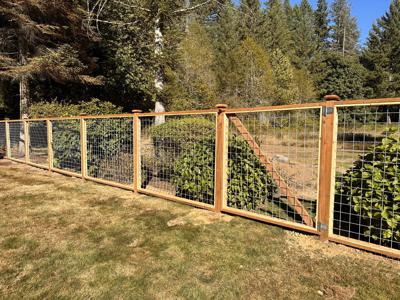

Installing a fence around your property is an important decision that requires careful consideration of various factors. From enhancing privacy and security to adding aesthetic appeal and defining boundaries, the right fence can significantly impact your property's functionality and curb appeal. In this detailed guide, we'll explore key factors to consider when choosing the right fence for your property to help you make informed decisions and achieve your desired outcomes.
Property Type and Purpose:
Begin by assessing your property type and the primary purpose of installing a fence. Are you looking to enhance privacy, improve security, contain pets or children, or simply add visual appeal to your property? Different fence styles and materials are better suited for specific purposes, so it's essential to clarify your objectives before making any decisions. For example, a tall privacy fence made of solid panels would be ideal for blocking visibility and reducing noise, while a decorative picket fence may be more suitable for adding charm and defining boundaries in a residential neighborhood.
Local Regulations and Zoning Requirements:
Before installing a fence, familiarize yourself with local regulations and zoning requirements that may govern fence height, materials, placement, and appearance in your area. Obtain any necessary permits or approvals from your local municipality or homeowners' association to ensure compliance with regulations and avoid potential fines or legal issues. Additionally, consider any neighborhood covenants or restrictions that may dictate fence styles or colors within your community. By understanding and adhering to local regulations, you can prevent costly mistakes and ensure a smooth and hassle-free fence installation process.
Budget and Maintenance:
Establishing a realistic budget for your fence installation project is essential to avoid overspending and financial strain. Consider not only the initial cost of materials and installation but also long-term maintenance expenses associated with different fence materials. While low-cost options like chain-link or wooden fences may have lower upfront costs, they may require more frequent maintenance and repairs over time, increasing overall expenses. Higher-quality materials like vinyl or aluminum may have higher initial costs but offer durability, longevity, and minimal maintenance requirements, resulting in cost savings in the long run.
Property Layout and Terrain:
Take into account your property's layout, terrain, and any existing landscaping features when selecting a fence style and design. Determine property boundaries, easements, and potential obstacles such as trees, shrubs, or slopes that may impact fence placement and installation. Choose a fence style that complements the natural features of your landscape and enhances its overall aesthetics. Additionally, consider factors such as drainage patterns, soil conditions, and wind exposure that may affect fence stability and longevity.
Aesthetic Preferences and Architectural Style:
Your fence should harmonize with your property's architectural style and reflect your aesthetic preferences to create a cohesive and visually appealing look. Explore different fence styles, materials, and colors that complement your home's exterior and landscaping. Consider factors such as color, texture, height, and decorative details that will enhance your property's curb appeal and contribute to its overall charm and character. Whether you prefer a traditional wooden fence, a sleek and modern aluminum fence, or a timeless wrought iron fence, choose a style that reflects your personal taste and complements your home's design aesthetic.
Neighbor Relations and Shared Boundaries:
If your property shares boundaries with neighbors, it's essential to consider their preferences and concerns when planning your fence installation. Discuss your plans with neighbors and seek their input on fence style, placement, and shared costs to maintain positive relations and avoid potential disputes. Collaborate with neighbors to choose a fence design that benefits both parties and respects shared property lines. Consider options such as split-rail or boundary fences that provide delineation without obstructing views or creating barriers between properties.
Choosing the right fence for your property is a significant decision that requires careful consideration of various factors. By assessing your property type and purpose, understanding local regulations and zoning requirements, establishing a realistic budget, considering property layout and terrain, reflecting aesthetic preferences and architectural style, and maintaining positive neighbor relations, you can select a fence that meets your needs and enhances your property's functionality, curb appeal, and value. With thoughtful planning and attention to detail, you can achieve a beautiful and functional fence that enhances your outdoor living experience for years to come.


(0) comments
We welcome your comments
Log In
Post a comment as Guest
Keep it Clean. Please avoid obscene, vulgar, lewd, racist or sexually-oriented language.
PLEASE TURN OFF YOUR CAPS LOCK.
Don't Threaten. Threats of harming another person will not be tolerated.
Be Truthful. Don't knowingly lie about anyone or anything.
Be Nice. No racism, sexism or any sort of -ism that is degrading to another person.
Be Proactive. Use the 'Report' link on each comment to let us know of abusive posts.
Share with Us. We'd love to hear eyewitness accounts, the history behind an article.