
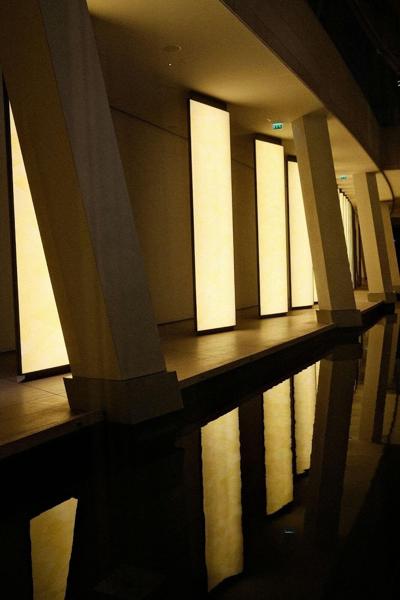
The global SEG lightbox market reached USD 2.8 billion in 2023 and is projected to grow to USD 5.2 billion by 2032 at a 7.5% CAGR, driven by demand from trade shows and retail. SEG (Silicone Edge Graphic) frames use aluminum or PVC profiles to hold silicone-edge fabric graphics for LED-backlit modular displays, dominating trade show setups thanks to their lightweight shipping and single-person assembly. Choosing correctly boosts ROI, with similar signage yielding up to 32% sales growth and 18-month payback.

This rapid market expansion is further propelled by advancements in dye-sublimation printing, which ensure that high-tension fabric maintains photographic clarity even under intense LED magnification. Beyond aesthetics, the shift toward modularity reflects a strategic move to reduce drayage costs and on-site labor fees, which traditionally consume up to 25% of an event budget. As brands transition from static, heavy-build structures to agile aluminum-based ecosystems, the ability to reconfigure a single frame kit into multiple layouts—ranging from independent kiosks to massive backwalls—has become a critical competitive advantage. Furthermore, the integration of smart-lighting controllers and eco-certified textiles is setting a new benchmark for sustainable exhibition practices, allowing companies to align their physical presence with modern ESG (Environmental, Social, and Governance) standards without sacrificing visual impact.
Key Selection Factors
The lightbox display sector grew to $13.9 billion in 2024, projecting $24.6 billion by 2032 at a 7.45% annual growth rate, led by North America's 33.8% dominance. Modular sizing fits 500mm grid systems for expandable walls and towers. Aluminum profiles (33-200mm thick) ensure structural strength, while PVC variants prioritize easy transport. High-efficiency LEDs produce over 3000 lumens per square meter, slashing power usage 30-50% versus conventional illuminated signs.
Beyond dimensions, frame construction governs long-term fabric tension, where superior 6063-T5 aluminum alloys prevent sagging across 3-meter panels. Integrated cooling channels within these extrusions safeguard electronics, maintaining LED strips at consistent CRI 90+ levels to prevent color fading common in cheaper models. This preserves precise brand colors without the yellowish tint plaguing low-end options.
Optical lens systems also matter, spreading light across 160-degree angles for slim profiles without dark spots. Choose connectors like snap-in cam locks or magnets to simplify assembly. Standardized channel dimensions support diverse fabrics—from light-blocking to highly translucent stretch materials—adapting seamlessly to different venue lighting scenarios for optimal performance.
Frame Types Comparison
Selecting the appropriate hardware requires a deep dive into how different profiles handle light and space. Each category of SEG frames brings a specific set of advantages to the table, and the final decision usually hinges on the specific goals of your exhibit.
Slim profiles are the go-to solution for tight environments where a bulky footprint would be intrusive. These are frequently seen in corporate offices or high-end retail spots as wall-mounted features. While they offer a sharp, low-profile aesthetic, the narrow gap between the LEDs and the fabric means they perform best in rooms with stable ambient light rather than under the harsh glare of an exhibition hall.
Standard-depth options serve as the workhorse of the industry. You will find these most often in professional showrooms and modular booths because they offer enough interior volume to eliminate "hot spots" from the LEDs. This depth provides a perfect middle ground, offering a solid structure for semi-permanent use without becoming a logistical burden during transport.
Deep-profile frames are engineered for those who need to dominate a large space. The extra internal volume allows for high-output backlighting and superior diffusion, creating a glow that is impossible to miss in high-traffic areas. They are the premier choice for large-scale branding, though the added bulk means they require a bit more attention when planning your shipping and drayage.
The choice between single-sided and double-sided configurations also dictates how a brand interacts with the crowd. Single-sided setups work perfectly as perimeter walls, while double-sided frames turn your display into a beacon that works for 360-degree traffic flows. It is worth noting that double-sided units generally need a more robust power supply to keep both faces equally vibrant.
Ultimately, the long-term sustainability of your investment depends on how the system grows with you. Choosing modular SEG frames means you can adapt your setup for different floor plans without starting from scratch. Investing in a sego modular lightbox display ensures that your hardware remains scalable and consistent, whereas rigid, non-modular alternatives often end up being more expensive due to their lack of flexibility in future seasons.
Detailed Step-by-Step Buying Guide
Define your needs: SEG dominates trade shows (80%+ preference for fabric systems); assess the purpose of events to yield 25-40% engagement lifts. Factor in indoor/outdoor, viewing distance, and reuse frequency to achieve 223% ROI potential in optimized cases.
Measure precisely: Use modular 500mm increments; 70% exhibitors report shipping savings with SEG vs. rigid panels. Add buffers for 10-20m² walls.
Optimize illumination strategy: Select edge-lit configurations to maintain a sleek profile, or utilize direct backlighting for peak luminance reaching 3000 lm/m². Modern LED integration not only slashes operational power costs by 35% but also increases audience interaction by 22-27% in professional environments.
Check assembly and graphics: Tool-free setup in minutes saves labor (major cost center); fabric rolls store 90% smaller.
Verify extras and support: Seek 2-5-year warranties; a total market CAGR of 7.5% signals reliable suppliers.
Key Considerations for Your Next Modular Investment
Choose SEG frames that simplify installation and reduce setup time — in many cases, they can cut assembly by 50–70%, which directly supports higher ROI from integrated display systems. When comparing suppliers, pay attention not only to price but also to modular compatibility and long-term reuse.
Look for manufacturers that offer sustainable or eco-friendly options, especially as the lightbox display market continues to grow steadily. Sustainability is becoming an increasingly important factor for brands planning long-term investments.
Finally, always request detailed quotes for tailored configurations. Custom sizing, lighting options, and modular add-ons can significantly impact both performance and cost, so precise specifications upfront will help you choose the most effective solution for your display goals.
(0) comments
We welcome your comments
Log In
Post a comment as Guest
Keep it Clean. Please avoid obscene, vulgar, lewd, racist or sexually-oriented language.
PLEASE TURN OFF YOUR CAPS LOCK.
Don't Threaten. Threats of harming another person will not be tolerated.
Be Truthful. Don't knowingly lie about anyone or anything.
Be Nice. No racism, sexism or any sort of -ism that is degrading to another person.
Be Proactive. Use the 'Report' link on each comment to let us know of abusive posts.
Share with Us. We'd love to hear eyewitness accounts, the history behind an article.