
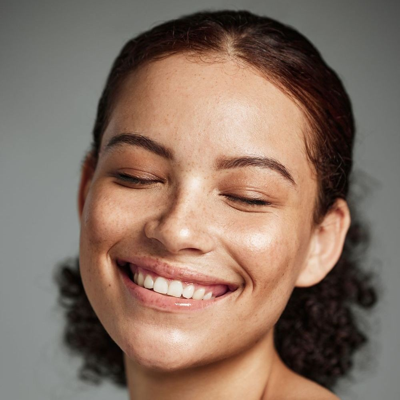

Laser Resurfacing: A Complete Guide to Skin Renewal and Texture Improvement
Laser resurfacing is a widely used skin treatment for people who want to improve skin texture, tone, and overall clarity without depending only on daily skincare products. The procedure focuses on controlled skin renewal, helping reduce visible imperfections while supporting long-term skin health.
This guide explains what the treatment involves, how it works, who it is suitable for, what results to expect, and how to prepare. The aim is to provide clear, practical information so readers can decide whether this approach aligns with their skin concerns and expectations.
Understanding How Laser Resurfacing Works
Laser resurfacing is a dermatological procedure that uses focused light energy to treat damaged outer layers of skin while encouraging new skin cell growth beneath the surface. This process supports collagen production, which plays an essential role in maintaining firm, smooth, and resilient skin.
Unlike topical solutions that act only on the surface, this procedure reaches deeper skin layers. This makes it useful for addressing texture irregularities, uneven tone, and visible signs of aging.
In discussions around pigmentation-related treatments, this method is sometimes mentioned alongside conditions such as Melasma, as both involve improving skin clarity and tone, though they target different underlying causes.
Types of Laser Resurfacing Treatments
Laser resurfacing is not a single procedure. Different approaches are used based on skin type, concern severity, and recovery expectations.
Ablative Laser Resurfacing
This method removes thin layers of skin, allowing smoother skin to regenerate. It is often used for deeper wrinkles, pronounced texture concerns, or visible scarring.
Non-Ablative Laser Resurfacing
Non-ablative techniques work beneath the skin’s surface without removing the top layer. These focus on collagen stimulation while keeping downtime relatively low.
Fractional Laser Resurfacing
Fractional laser resurfacing treats small sections of skin while leaving surrounding tissue intact. This approach supports noticeable improvement with a more manageable recovery period.
Each option is selected based on individual skin needs, making professional assessment important.
Skin Concerns Commonly Addressed
This treatment is valued for its ability to improve multiple concerns within a single plan.
Fine Lines and Wrinkles
By promoting collagen production, the procedure can soften fine lines and improve skin firmness over time.
Acne Scars and Texture Irregularities
Uneven skin texture caused by acne scarring may improve as new skin forms and surface irregularities become less noticeable.
Uneven Skin Tone
Sun damage and pigmentation irregularities can fade as damaged skin cells are gradually replaced.
Enlarged Pores
The appearance of enlarged pores may be reduced as the surrounding skin tightens and becomes more refined.
What to Expect During a Treatment Session
Understanding the process helps set realistic expectations.
Before Treatment
A consultation is used to assess skin type, medical history, and goals. Preparation may include avoiding sun exposure and pausing certain skincare products.
During the Procedure
Sessions typically last between 30 minutes and two hours, depending on the area treated. A topical anesthetic is commonly used to manage discomfort.
After the Session
Temporary redness, swelling, or sensitivity may occur. These effects generally improve as the skin heals and renews.
Recovery Timeline
Recovery depends on the type of treatment used.
Days 1 to 3: Redness and sensitivity are most noticeable
Days 4 to 10: Peeling or flaking may occur as new skin forms
Weeks to months: Ongoing collagen remodeling supports gradual improvement in texture and firmness
Following aftercare instructions is essential for proper healing and results.
Long-Term Skin Benefits
This approach offers both visible and structural skin improvements.
Supports natural collagen production
Improves overall skin texture and smoothness
Promotes more even skin tone
Strengthens skin structure over time
These effects make it a long-term skin improvement option rather than a short-term cosmetic solution.
Who May Be a Suitable Candidate?
Laser resurfacing is suitable for many individuals, though it may not be appropriate for everyone.
Good candidates often:
Have realistic expectations
Are in good overall health
Want to address texture, tone, or aging-related concerns
A professional evaluation helps determine suitability based on skin sensitivity and goals.
Risks and Considerations
While commonly performed, it is important to understand potential risks.
Possible considerations include:
Temporary redness or swelling
Changes in skin pigmentation
Increased sensitivity during healing
Proper aftercare and professional guidance help reduce these risks.
How to Prepare for Treatment
Preparation can influence outcomes.
Limit sun exposure before treatment
Avoid harsh skincare products
Follow professional skin preparation guidance
These steps support smoother recovery and reduce complications.
How Many Sessions Are Usually Needed?
The number of sessions depends on the concern being treated and the method used.
Mild concerns may require a single session
Moderate concerns may need multiple treatments
Maintenance sessions can help preserve results
Treatment plans are often adjusted based on individual response.
Comparison With Other Skin Treatments
Laser resurfacing differs from surface-level treatments because it targets deeper skin layers.
Compared to chemical peels or microdermabrasion, it typically offers:
Greater collagen stimulation
Longer-lasting improvement
More controlled treatment depth
This makes it suitable for comprehensive skin renewal.
FAQs
What is laser resurfacing used for?
It is used to improve skin texture, tone, and firmness by promoting skin renewal.
Is laser resurfacing permanent?
Results are long-lasting, but natural aging continues, so maintenance treatments may be needed.
How long does it take to see results?
Initial improvements appear within weeks, with continued improvement over several months.
Is the procedure painful?
Discomfort is usually mild to moderate and managed with topical anesthesia.
Can it help with acne scars?
Yes, it is commonly used to reduce the appearance of acne scars.
What is the typical downtime?
Downtime ranges from a few days to about two weeks, depending on treatment type.
Is Laser Resurfacing Right for You?
Laser resurfacing is a well-established skin treatment that improves texture, tone, and visible signs of aging by supporting natural skin renewal. By encouraging collagen production and controlled healing, it delivers lasting improvement rather than a temporary cosmetic change.
For individuals seeking a science-based approach to improving skin clarity and smoothness, this treatment may be worth considering. A professional consultation can help determine the most appropriate approach based on skin type and individual goals.
(0) comments
We welcome your comments
Log In
Post a comment as Guest
Keep it Clean. Please avoid obscene, vulgar, lewd, racist or sexually-oriented language.
PLEASE TURN OFF YOUR CAPS LOCK.
Don't Threaten. Threats of harming another person will not be tolerated.
Be Truthful. Don't knowingly lie about anyone or anything.
Be Nice. No racism, sexism or any sort of -ism that is degrading to another person.
Be Proactive. Use the 'Report' link on each comment to let us know of abusive posts.
Share with Us. We'd love to hear eyewitness accounts, the history behind an article.