
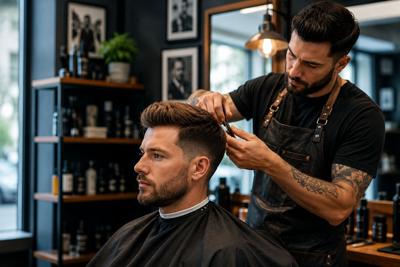

A good haircut should not feel like a gamble. Yet many men walk into a barbershop with vague instructions, mild fear, and the dangerous phrase, “Just clean it up,” which can mean anything from a polished trim to an unexpected identity crisis.
The truth is that getting a better haircut is not only about finding the right barber. It is also about knowing how to explain what you want, understanding what works with your hair, and paying attention to the small grooming details that separate “fine” from “he looks put together.”
A professional barbershop visit should feel clear, collaborative, and purposeful. Whether you are maintaining a classic cut, trying a new style, or simply trying to avoid leaving with sides that are aggressively shorter than expected, the right approach makes all the difference. For readers who want to go deeper into the full men’s grooming routine, FINE’s guide to grooming essentials for modern men is a useful companion piece.
Why a Better Haircut Starts Before the Clippers Come Out
The most important part of a haircut often happens before a single strand of hair hits the floor. A good barber will begin with a consultation, even if it only takes a minute or two. This is where you explain what you like, what you do not like, and what happened last time that you are still emotionally recovering from.
Bring a reference photo if you have one. It does not have to be a celebrity with lighting, filters, and a jawline that should come with a disclaimer. A photo simply gives your barber a visual starting point. From there, they can tell you what will work with your hair texture, growth pattern, face shape, and daily styling routine.
Know What You Actually Want From the Haircut
Many men know when they dislike a haircut, but they are less prepared to describe what they want instead. That is where clear language helps. Instead of saying, “short but not too short,” explain how much length you want to keep on top, how tight you like the sides, and whether you prefer a clean, polished finish or something softer and more natural.
For a better haircut, think about your real life. Do you style your hair every morning, or do you expect it to behave with one swipe of your hand and a prayer? Do you work in a professional setting, spend weekends outdoors, or want something that still looks good when you are overdue for your next appointment? These details help your barber create a cut that works after you leave the chair.
The Consultation Questions That Matter
A skilled barber may ask how you usually style your hair, how often you get it cut, whether you use product, and what you liked or disliked about your last haircut. These questions are not small talk. They are how the barber translates your preferences into a practical plan.
Answer honestly. If you are not going to blow-dry your hair, say that. If you hate product, say that too. A haircut that requires twenty minutes of styling every morning is not a good haircut for a man who wants to be out the door in six.
Understanding the Difference Between a Fade, Taper, and Trim
Haircut terminology can sound more complicated than it needs to be, but knowing a few basic terms helps. A fade usually means the hair gradually gets shorter down the sides and back, often very close to the skin. A taper is typically softer and more conservative, especially around the neckline and sideburns. A trim keeps the existing shape but removes length and cleans up the edges.
These differences matter because one word can change the entire result. Asking for a fade when you actually want a soft taper can leave you looking much more dramatic than intended. And while drama has its place, it is usually not along the side of your head on a Tuesday morning. FINE has also covered men’s drop fade haircuts, which can be helpful if you want a more specific visual direction before your next appointment.
Pay Attention to Your Hair Type
A better haircut respects the hair you actually have, not the hair you wish you had. Fine hair, thick hair, curly hair, coarse hair, thinning hair, and stubborn cowlicks all require different approaches. What looks effortless on one man may look like a small weather event on another.
Good barbers consider density, movement, texture, and growth direction before cutting. For example, heavy hair may need weight removed so it does not sit like a helmet. Fine hair may need shape and structure so it does not collapse by lunch. Curly hair may need careful length management because curls shrink as they dry. The American Academy of Dermatology also notes that healthy-looking hair depends on proper care habits, including how you shampoo, condition, and handle your hair between appointments.
Do Not Wait Until the End to Speak Up
Communication during a haircut is not rude. It is useful. If the sides feel shorter than expected, the top still seems too heavy, or the shape is not heading in the direction you imagined, say something early. Small adjustments are much easier halfway through than after the cape comes off.
Helpful phrases include, “Can we keep a little more length on top?” or “Can we make the sides softer?” or “I like the shape, but I do not want it quite that tight.” A good barber will appreciate clear feedback. What does not help is silently panicking for thirty minutes and then deciding to grow a hat collection.
The Details That Make a Haircut Look Expensive
The difference between an ordinary haircut and a polished one is often in the finishing details. Clean edges around the ears, a neat neckline, balanced sideburns, and a smooth blend all contribute to the final result. These details are subtle, but they are exactly what people notice when they think someone looks sharp without knowing why.
Styling also matters. A barber should show you how the cut can be worn and what kind of product helps maintain it. Matte clay, grooming cream, pomade, texture spray, or light styling paste can all create different finishes. The goal is not to turn your bathroom into a backstage grooming station. It is simply to know what works. For a broader style approach, FINE’s article on curating a refined signature style pairs well with the idea that grooming should support the full look, not fight with it.
How Often Men Should Get a Haircut
How often you need a haircut depends on the style. Short fades and tighter cuts usually need maintenance every two to three weeks if you want them to stay crisp. Medium-length styles may last four to six weeks. Longer styles can go a bit longer, provided the shape still holds.
For a consistently better haircut, do not wait until your hair has completely lost direction. Regular maintenance keeps the shape intact and makes each appointment easier. It also prevents that awkward stage where the sides puff out, the neckline disappears, and the whole thing begins suggesting that you have given up.
What to Ask Your Barber Before You Leave
Before leaving the chair, ask how to style the haircut at home. This is especially important if the barber used product, a blow dryer, or a technique you do not normally use. A quick explanation can save you from recreating the look the next morning with great optimism and terrible results.
You can also ask when you should come back and whether the style should be adjusted next time. The best haircuts often improve after a barber gets to know your hair. Over time, they learn where it grows heavy, where it needs support, and what details make you look your best.
Simple Grooming Habits That Support a Better Haircut
A great cut helps, but basic grooming keeps everything looking intentional. Wash your hair with products suited to your scalp and hair type, avoid overloading it with heavy styling products, and keep the neckline cleaned up between appointments if needed. The American Academy of Dermatology recommends being mindful with heat styling and long-lasting hold products, since aggressive styling habits can contribute to hair damage over time.
Facial hair should also work with the haircut. A sharp haircut paired with an unplanned beard situation can look unfinished. Whether you prefer clean-shaven, stubble, or a full beard, the lines should feel deliberate. Grooming is not about looking overly done. It is about looking like you made a decision.
When Hair Changes Need More Than a Barber
A barber can do a lot, but hair thinning, sudden shedding, scalp irritation, or major changes in hair density may need medical guidance. A good haircut can make hair look fuller and more balanced, but it cannot diagnose what is happening at the scalp.
If hair loss becomes noticeable or changes quickly, it may be worth speaking with a dermatologist or medical provider. Cleveland Clinic explains that hair loss can have different causes and treatment options, so getting proper guidance matters before buying every miracle bottle on the internet.
First-Time Barbershop Checklist
- Bring a reference photo if you have one.
- Know whether you want a fade, taper, trim, or fuller restyle.
- Explain how much time you actually spend styling your hair.
- Mention cowlicks, thinning areas, or previous haircut issues.
- Speak up early if something feels too short or too severe.
- Ask what product and routine will help maintain the look.
- Book your next appointment before the cut loses its shape.
Common Haircut Mistakes Men Can Avoid
One of the most common mistakes is being too vague. “Make it look good” sounds easy, but it leaves far too much room for interpretation. Another mistake is chasing a trend that does not suit your hair, lifestyle, or face shape. Not every man needs a dramatic fade, a slicked-back style, or a haircut that appears to require its own lighting crew.
The best haircut is the one that makes you look polished, confident, and like yourself on a very good day. Trends can be helpful inspiration, but they should be adapted. A better haircut is not copied exactly from someone else. It is tailored to you.
Frequently Asked Questions About Getting a Better Haircut
How long does a professional haircut usually take?
Most men’s haircuts take about 30 to 45 minutes, depending on the style, hair type, and level of detail involved. More detailed fades, beard work, or styling may take longer.
Should I wash my hair before a haircut?
Arriving with clean hair is usually best. It helps the barber see your natural texture and shape. Avoid heavy product before your appointment unless you want your barber to experience your gel phase personally.
Should I tip my barber?
Yes. Tipping is customary for good service. The exact amount can vary, but many clients tip around 15 to 20 percent, especially when they are happy with the result.
Can I ask my barber to fix something during the haircut?
Yes. It is better to speak up during the appointment than to leave unhappy. A professional barber should welcome polite, specific feedback.
How do I know what haircut suits me?
Your face shape, hair texture, hairline, lifestyle, and styling habits all matter. A good barber can recommend options that work with those factors rather than forcing a style that only looks good in a photo.
The Bottom Line on Getting a Better Haircut
A better haircut comes from preparation, communication, technique, and maintenance. You do not need to become a grooming expert, but you do need to know enough to explain what you want and recognize what works for your hair.
The right haircut should make life easier, not more complicated. It should grow out well, style without a daily battle, and leave you looking polished without looking like you tried too hard. That is the quiet luxury of good grooming: nobody needs to know the details, but everyone can see the result.
(0) comments
We welcome your comments
Log In
Post a comment as Guest
Keep it Clean. Please avoid obscene, vulgar, lewd, racist or sexually-oriented language.
PLEASE TURN OFF YOUR CAPS LOCK.
Don't Threaten. Threats of harming another person will not be tolerated.
Be Truthful. Don't knowingly lie about anyone or anything.
Be Nice. No racism, sexism or any sort of -ism that is degrading to another person.
Be Proactive. Use the 'Report' link on each comment to let us know of abusive posts.
Share with Us. We'd love to hear eyewitness accounts, the history behind an article.